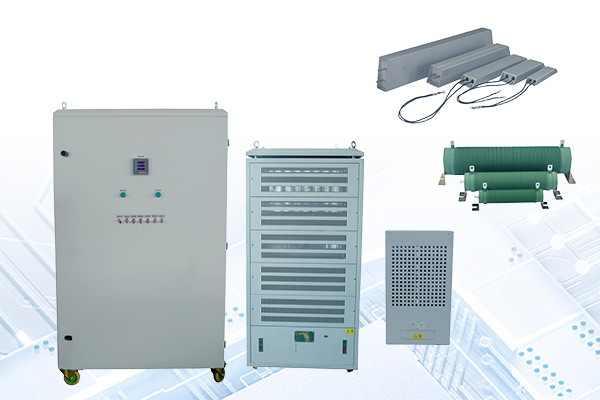
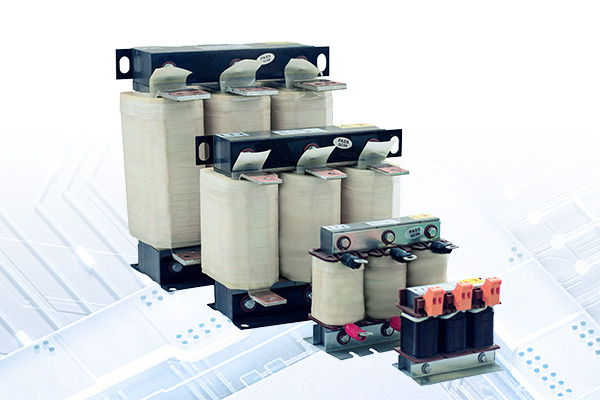
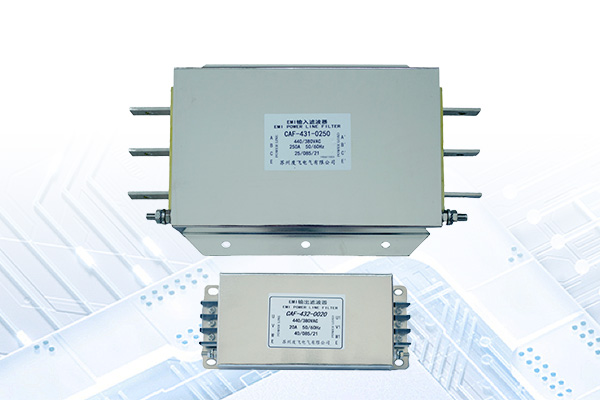
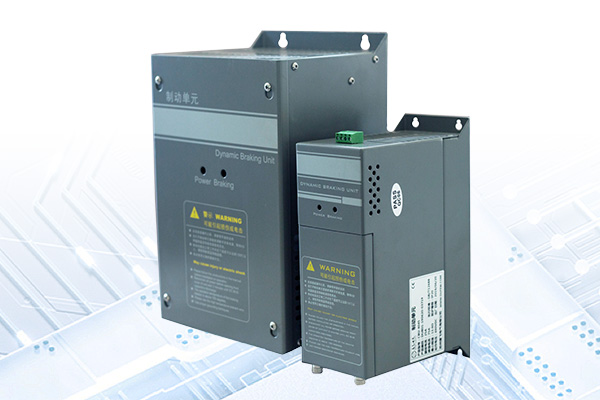
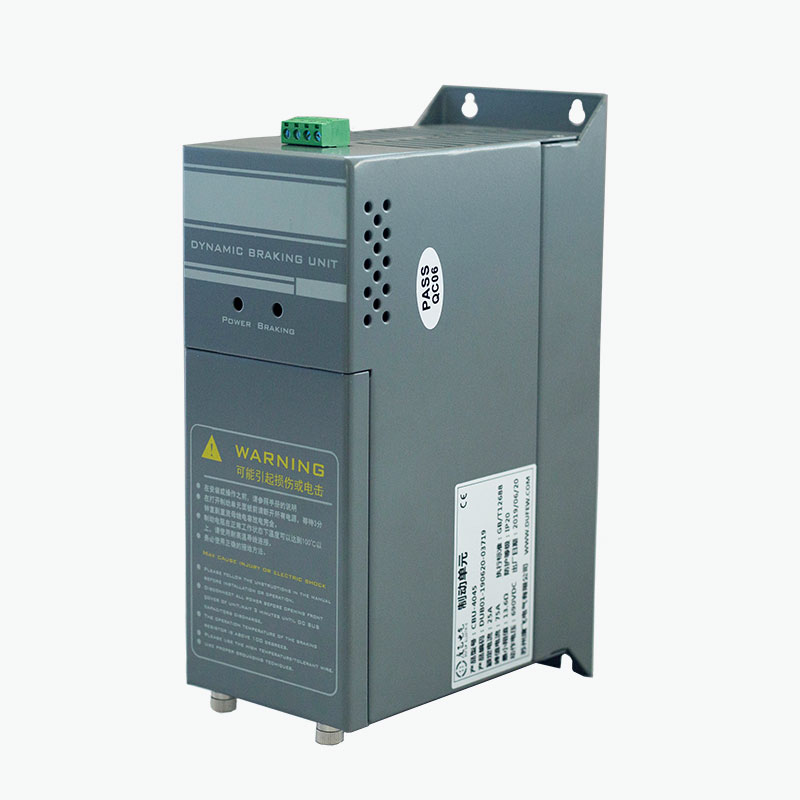
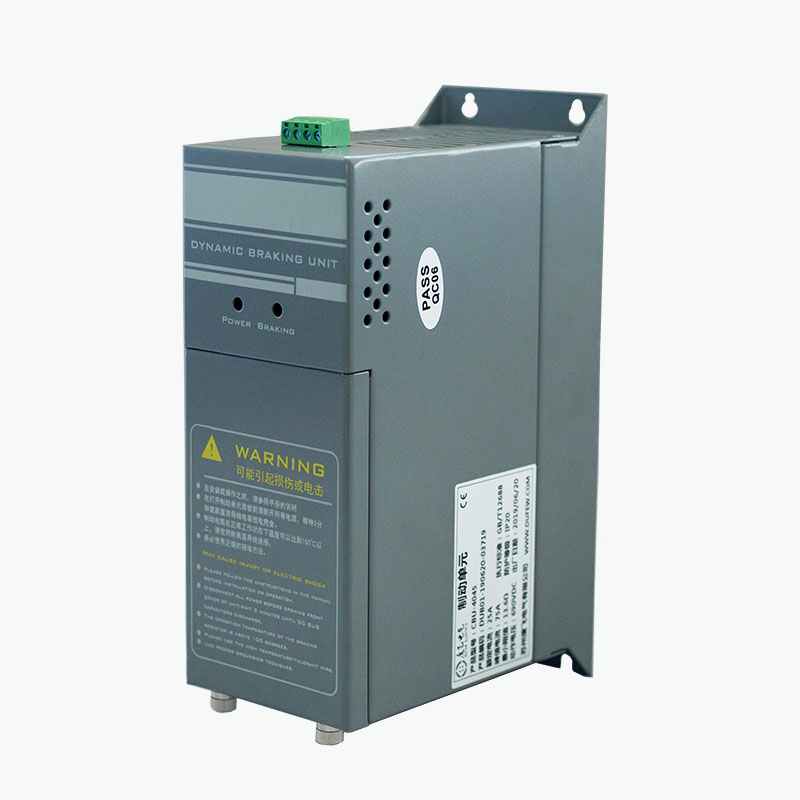
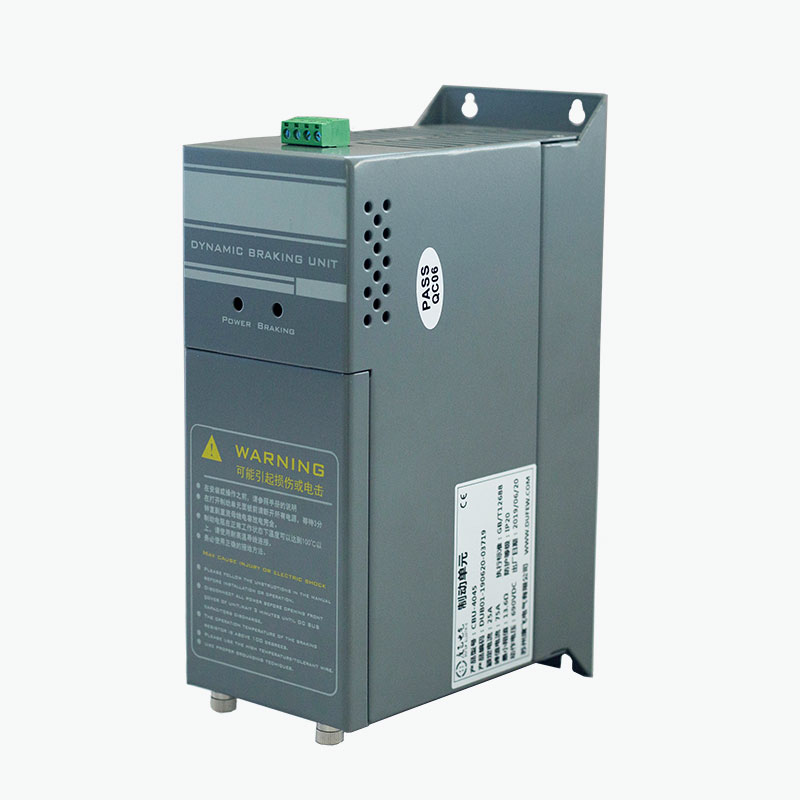
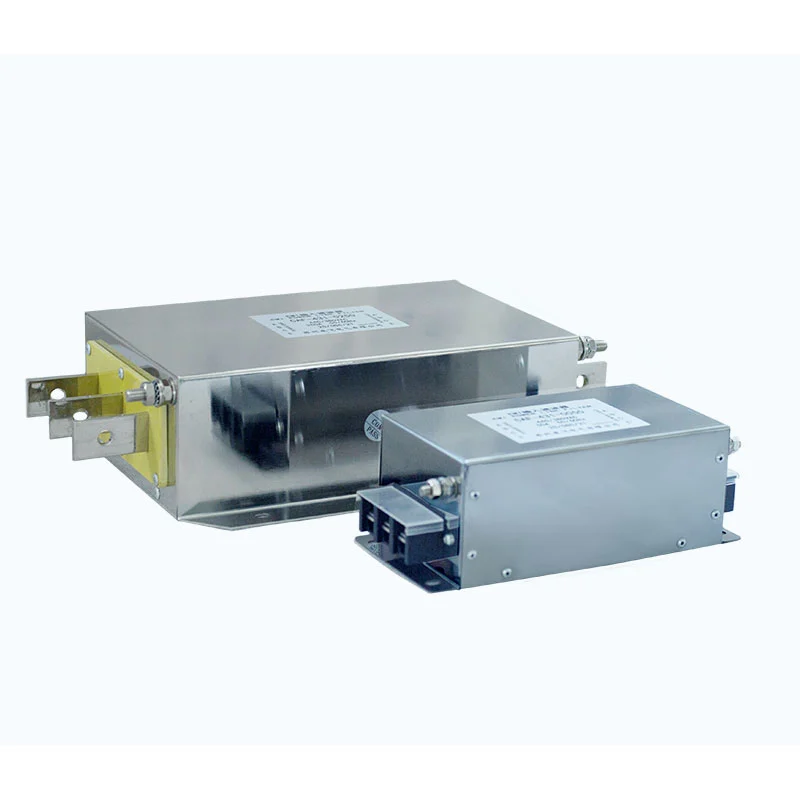
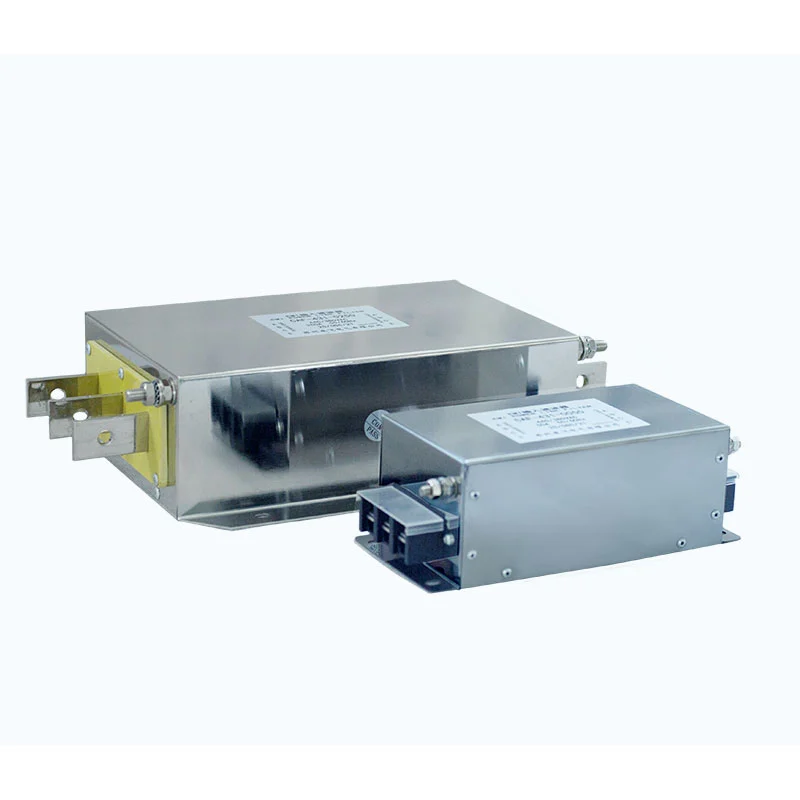
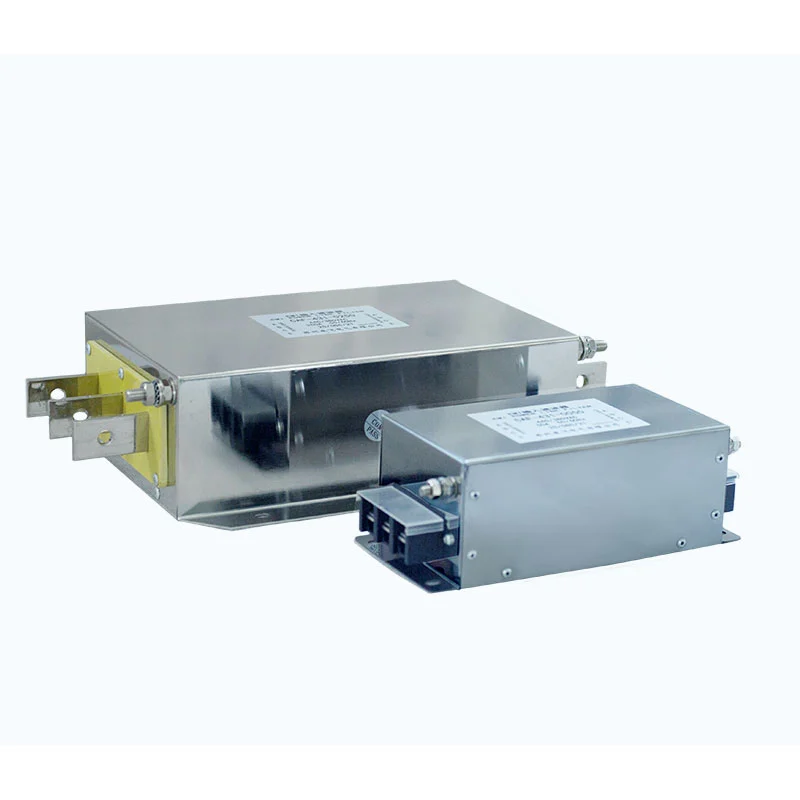
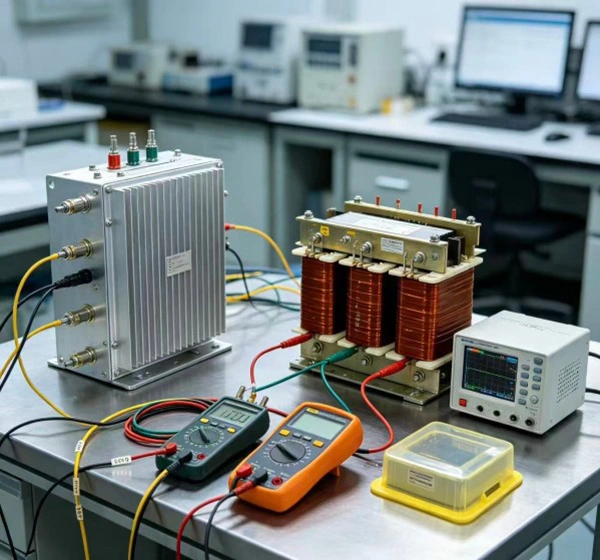
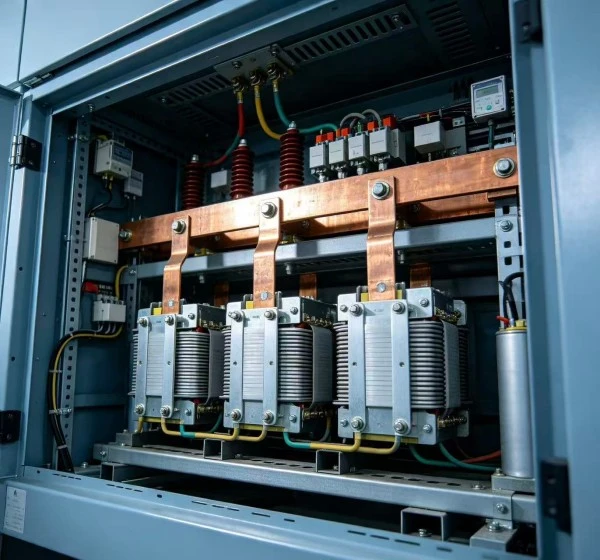
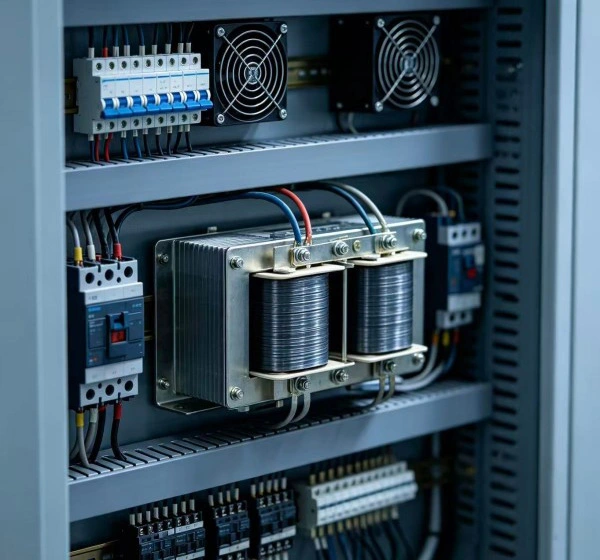
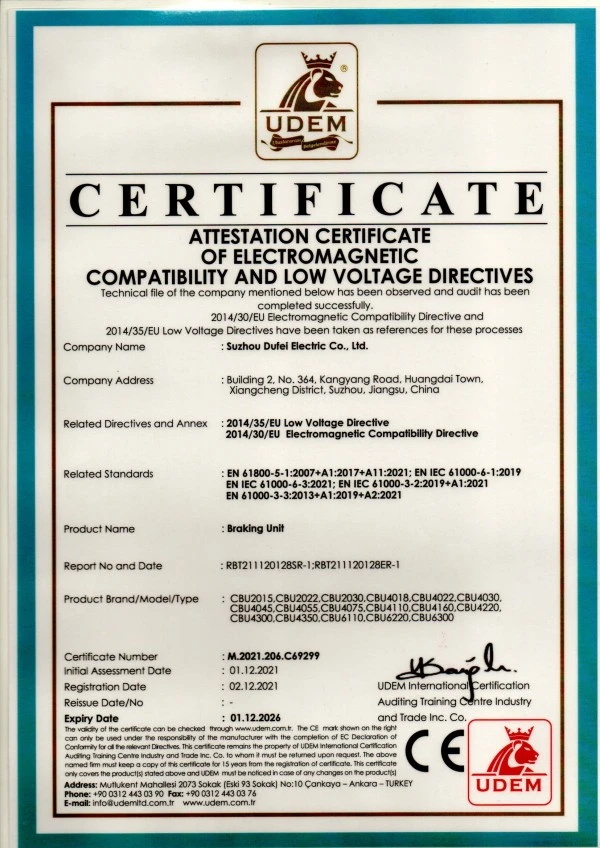
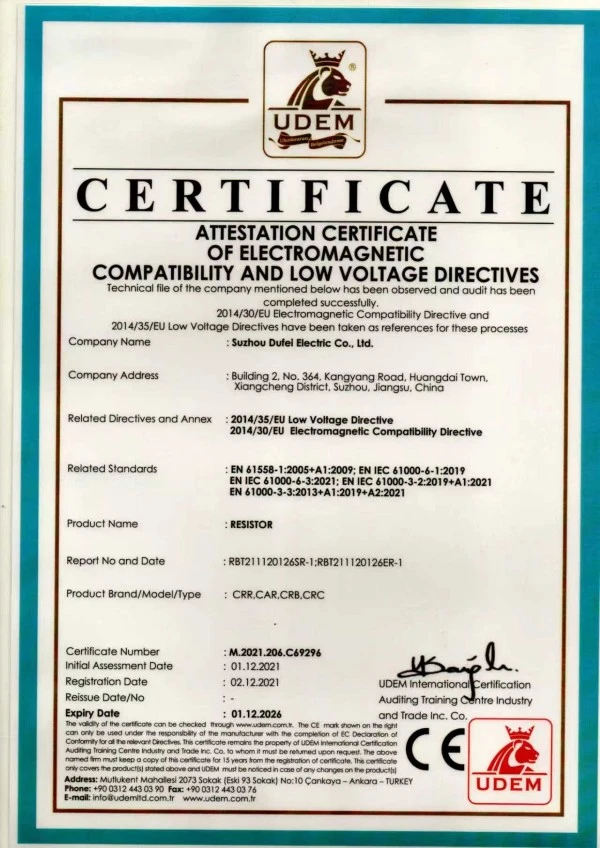
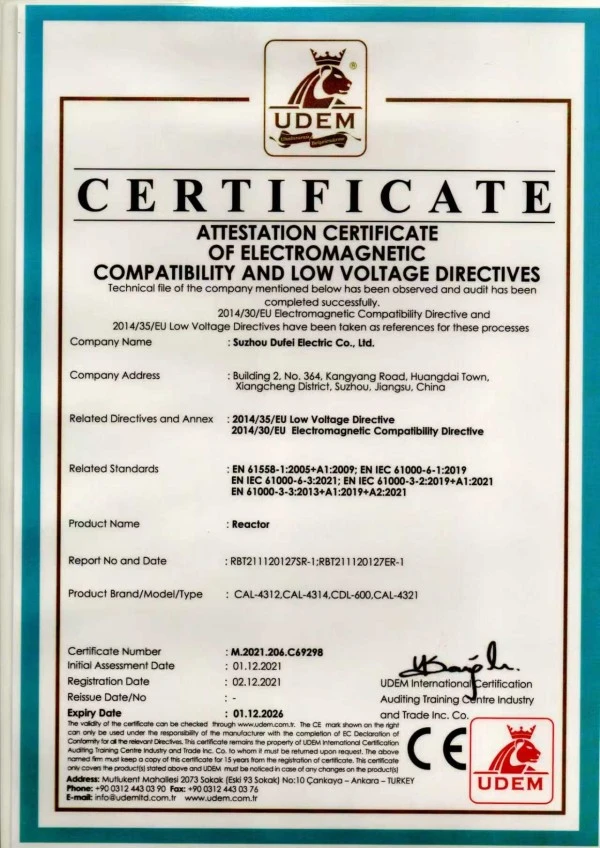
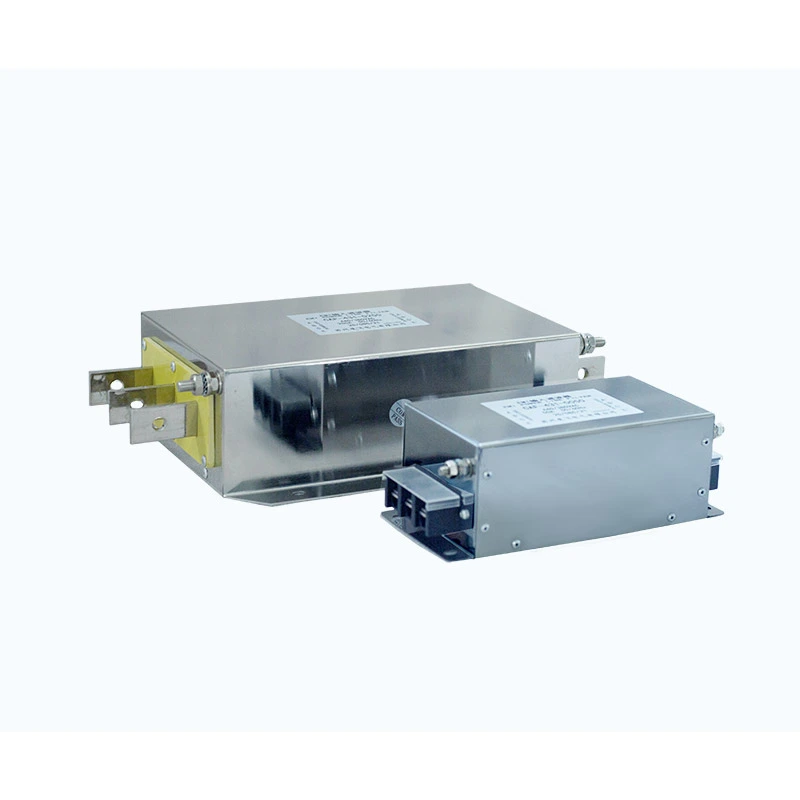
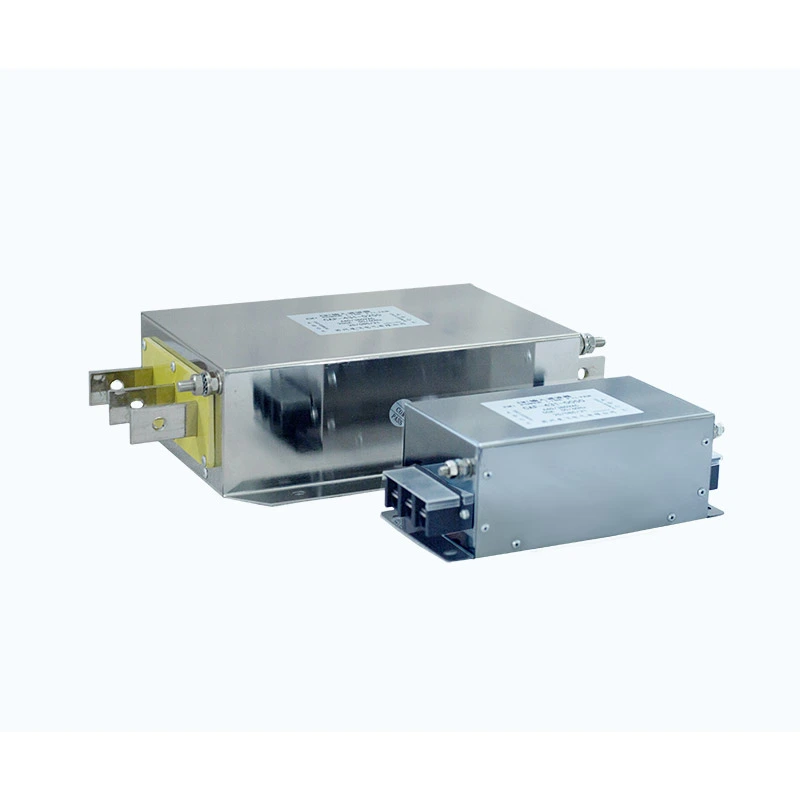
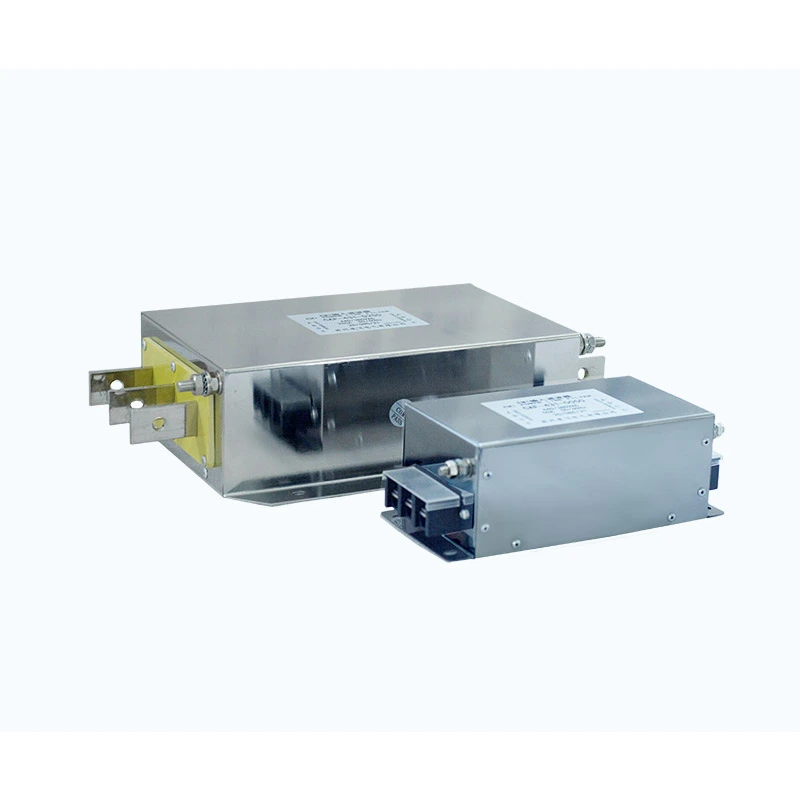
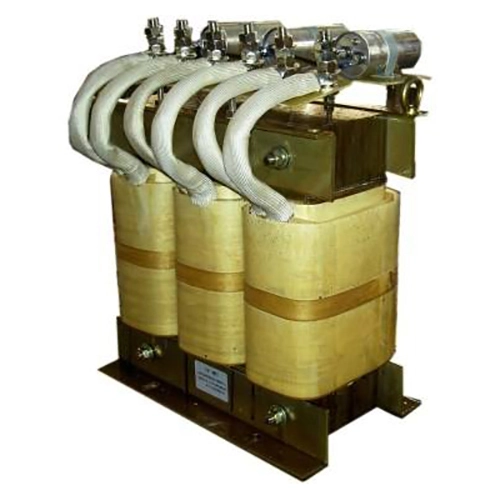
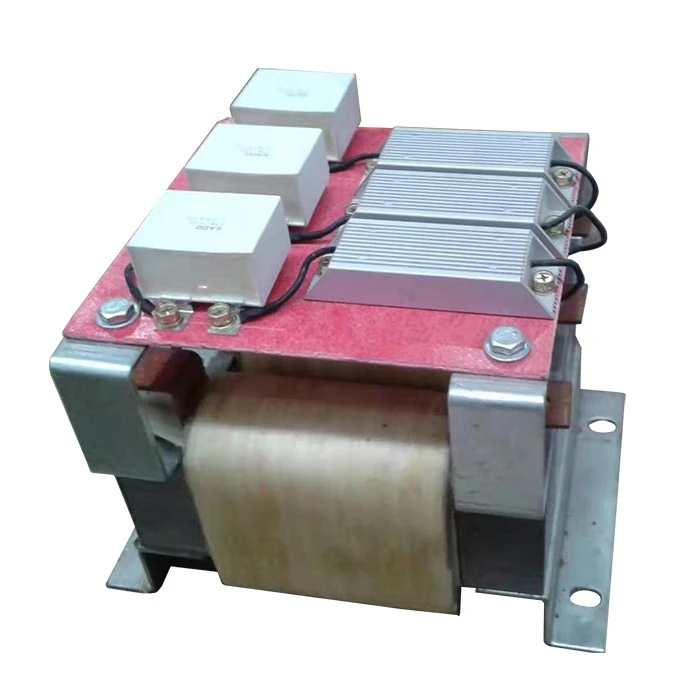
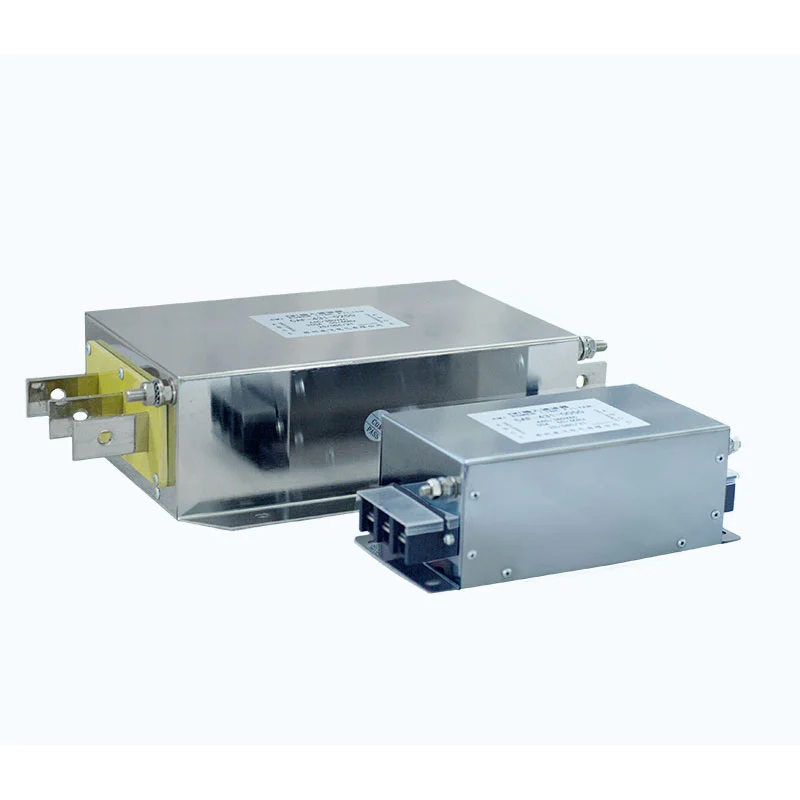
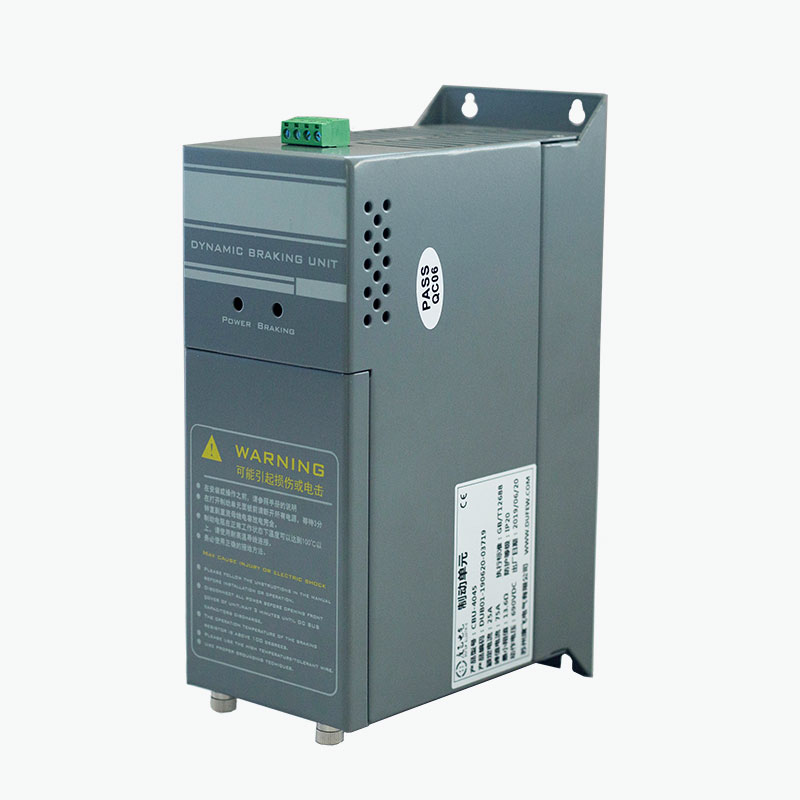
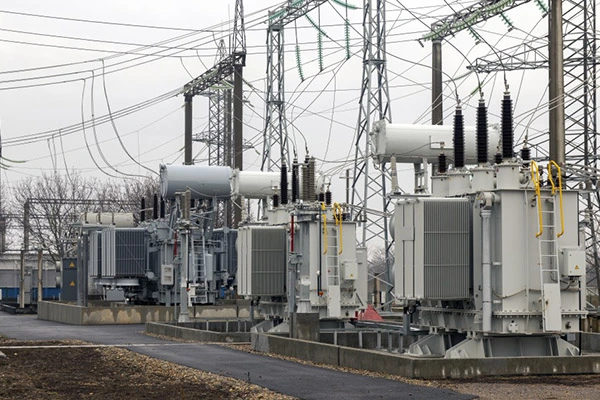
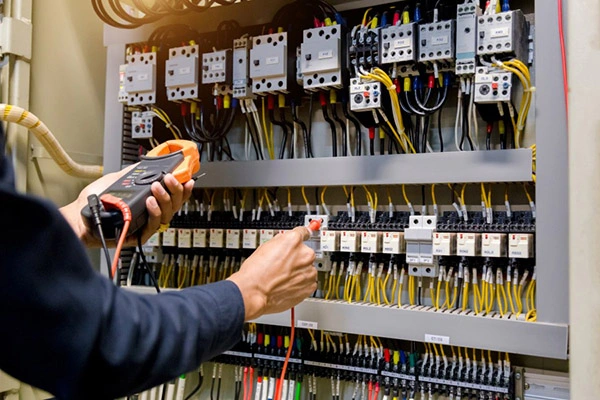
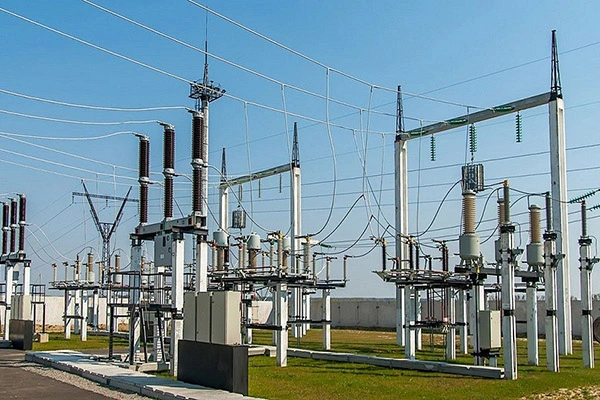
We offer a comprehensive portfolio including resistors, braking units, reactors, power filters, and transformers, with full customization options to meet diverse application requirements.
Designed for low-voltage power factor correction systems with nonlinear loads, Dufew Electric Detuned Harmonic Filter combines a detuned reactor with a power capacitor to reduce resonance risk and limit harmonic stress on capacitor banks. It supports VFDs, rectifiers, converters, and industrial facilities, with configurations selected according to voltage, compensation capacity, harmonic conditions, and installation requirements.
A detuned harmonic filter is used in power factor correction systems where capacitor banks operate in networks containing nonlinear loads. Its primary function is to reduce the risk of harmonic resonance and protect the capacitor bank, rather than directly eliminate individual harmonic orders.
The filter consists of a detuned reactor and power capacitor connected in series, forming an LC circuit. At the fundamental frequency, the capacitor provides reactive power compensation. The reactor changes the impedance of the circuit and moves its characteristic frequency below the dominant harmonic frequencies in the system.
This configuration helps:
- Reduce the possibility of parallel resonance between the capacitor bank and the electrical network
- Limit harmonic current flowing through the capacitor
- Reduce capacitor heating and electrical stress
- Improve the operating conditions of power factor correction equipment
- Maintain reactive power compensation under the specified operating conditions
The suitability of a detuned configuration depends on the electrical characteristics of the complete system, including the nonlinear load, capacitor bank, and grid impedance.
How the Detuned LC Circuit Works
The characteristic frequency of the LC circuit is determined by the reactor inductance and capacitor capacitance. The system is designed so that this frequency remains below the dominant harmonic frequencies rather than being tuned directly to one of them.
For a 50 Hz system, the 5th harmonic is 250 Hz. A 7% detuned configuration places the characteristic frequency below the 5th harmonic, helping prevent the capacitor bank from becoming a low-impedance path at this harmonic frequency.
The reactor therefore changes the impedance relationship between the capacitor bank and the electrical network. This reduces the likelihood of resonance amplification while allowing the capacitor to continue providing reactive power compensation at the fundamental frequency.
The actual configuration should be determined from the system voltage, frequency, capacitor rating, harmonic spectrum, grid impedance, and load characteristics.
Detuning Factor Selection
Common detuning factors include 6%, 7%, and 14%. The appropriate value depends on the electrical system rather than the capacitor rating alone.
Detuning Factor
Approx. Characteristic Frequency at 50 Hz
Application Consideration
6%
204 Hz
Used where the system design requires a lower characteristic frequency
7%
189 Hz
Commonly considered for low-voltage power factor correction systems
14%
134 Hz
Used where the application requires a substantially lower characteristic frequency
The frequencies above are reference values for a 50 Hz system. Final selection should take into account the system voltage and frequency, required reactive power compensation, capacitor rating, harmonic spectrum, grid impedance, nonlinear load capacity, load operating profile, existing capacitor bank, and installation conditions.
Where significant harmonic distortion or strict THD limits are present, harmonic measurements and system impedance analysis should be completed before determining the appropriate detuning factor.
Reactor and Capacitor Configuration
Dufew Electric configures the reactor and capacitor as a matched LC system according to the required electrical characteristics and application conditions. The reactor can be manufactured with suitable magnetic materials, magnetic circuit design, winding insulation, and thermal characteristics based on the required electrical rating. Where specified by the product configuration, copper windings and high-temperature insulation systems can also be used.
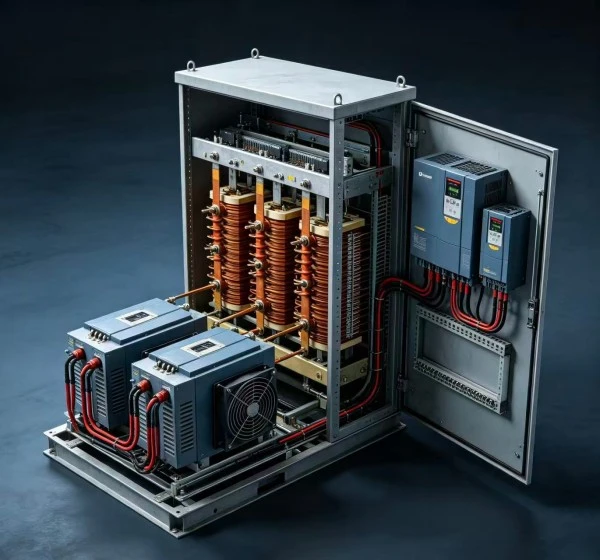
The capacitor section can use self-healing power capacitors for reactive power compensation. Depending on the configuration, the assembly may include a detuned reactor, power capacitor, discharge resistor, three-phase electrical connections, IP00 or IP20 construction, and a cabinet-integrated arrangement.
Reactor and capacitor ratings are matched according to the required compensation capacity, system voltage, detuning factor, current, installation arrangement, and operating conditions to suit the requirements of the intended electrical system.
Key Advantages
Capacitor Bank Protection
The detuned reactor increases the impedance seen by harmonic currents and reduces harmonic stress on the power capacitor. This helps limit excessive current and associated temperature rise.
Reduced Resonance Risk
The LC circuit is designed with its characteristic frequency below dominant harmonic frequencies, reducing the possibility of resonance between the compensation capacitor and the electrical network.
Reactive Power Compensation
At the fundamental frequency, the capacitor provides reactive power compensation for low-voltage power factor correction systems.
Passive Circuit Design
The filter uses a reactor-capacitor circuit without DSP controllers or frequency-tracking electronics. Its operation is based on the electrical characteristics of the passive components.
Configurable Electrical Parameters
The reactor inductance, capacitor capacity, detuning factor, voltage rating, and physical arrangement can be selected according to the system requirements.
Cabinet Integration
The reactor, capacitor, and associated components can be arranged for installation in power factor correction cabinets where the electrical and thermal conditions are suitable.
Typical Applications
Detuned harmonic filters are used where nonlinear loads operate together with capacitor-based power factor correction equipment.
Typical applications include:
- VFD-based motor drive systems
- Industrial rectifiers
- Converter-based equipment
- Industrial automation systems
- Manufacturing facilities
- Welding equipment
- Low-voltage distribution systems
- Renewable energy facilities
- Industrial plants with large capacitor banks
The configuration is particularly relevant where harmonic measurements show significant low-order components such as the 5th, 7th, 11th, or 13th harmonics.
Detuned Harmonic Filter vs. Tuned Harmonic Filter
Detuned and tuned filters have different design objectives. A detuned filter is primarily used with capacitor-based power factor correction to reduce resonance risk and capacitor stress, while a tuned filter is designed to provide targeted attenuation at selected harmonic frequencies.
Comparison
Detuned Harmonic Filter
Tuned Harmonic Filter
Primary purpose
Reduce resonance risk and protect capacitor banks
Attenuate selected harmonic frequencies
Characteristic frequency
Positioned below dominant harmonic frequencies
Located close to the selected harmonic frequency
Main function
Capacitor protection and reactive power compensation
Targeted harmonic current filtering
Harmonic attenuation
Limited and system-dependent
Higher attenuation at the tuned frequency
Typical application
Power factor correction with nonlinear loads
Dedicated harmonic mitigation
Design requirements
System voltage, capacitor rating, harmonics, and grid impedance
Detailed harmonic and impedance analysis
A detuned filter should not be selected as a substitute for a dedicated harmonic mitigation system where the project specifies strict harmonic current or THD limits.
Engineering Selection and Customization
Filter selection should be based on the electrical conditions and operating requirements of the installation. Dufew Electric can evaluate system voltage and frequency, required compensation capacity, capacitor rating and rated current, as well as the existing capacitor bank and harmonic spectrum, including the levels of 5th, 7th, 11th, and 13th harmonics.
Other factors such as VFD and rectifier capacity, grid short-circuit characteristics, load variation, ambient temperature, installation environment, cabinet dimensions, thermal requirements, and the required detuning factor should also be considered when selecting the filter configuration.
For technical evaluation, customers can provide single-line diagrams, harmonic measurement reports, capacitor specifications, equipment data, electrical drawings, and site operating conditions. Based on the available information, Dufew Electric can determine a suitable detuning factor and coordinate the reactor, capacitor, electrical ratings, dimensions, and installation arrangement according to the application requirements.
Manufacturing and Quality Control
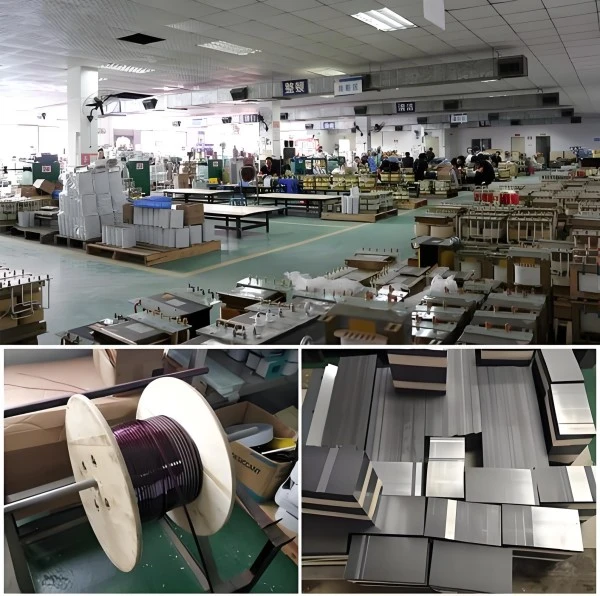
Dufew Electric manufactures power electronics components including resistors, braking systems, reactors, filters, transformers, and customized electrical components. For detuned filter production, the manufacturing process can cover material inspection, reactor manufacturing, winding and insulation, component assembly, electrical testing, final inspection, and packaging.
Depending on the product configuration, quality inspection may include incoming material inspection, reactor winding and insulation inspection, capacitor specification verification, electrical performance testing, insulation resistance testing, dielectric strength testing, dimensional inspection, and terminal inspection. These procedures help verify the electrical and physical condition of the finished product before shipment.
Product-specific test records and technical documentation can be provided according to project requirements.
Certifications and Quality Assurance
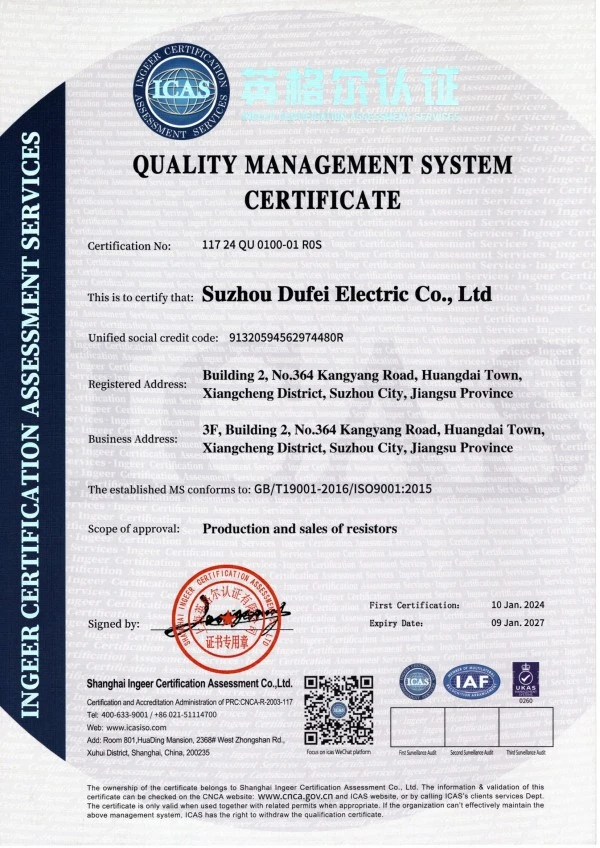
Dufew Electric has ISO and CE certifications supporting its quality management and product compliance activities. Applicable certification documents and technical documentation can be provided according to the product configuration and market requirements.
Quality control covers material selection, production, electrical testing, and final inspection to maintain consistent manufacturing requirements.
Dufew Electric Power Electronics Manufacturing
Dufew Electric focuses on industrial power electronics components for motor drives, industrial automation, power quality management, renewable energy, energy storage, and related electrical systems.
Its product range covers resistors, braking systems, reactors, filters, transformers, and customized electrical components. This allows customers to source related power electronics components from the same manufacturer when a project involves multiple electrical functions.
For OEMs, distributors, system integrators, and industrial users, Dufew Electric supports technical communication, specification review, customized production, inspection, packaging, and shipment.
Packaging and International Delivery
Dufew Electric supports international B2B orders according to product dimensions, order quantity, destination, delivery schedule, and customer logistics requirements.
Depending on the shipment, available arrangements may include:
- Sea Freight -- Suitable for regular production orders and larger-volume shipments
- Air Freight -- Suitable for urgent orders and relatively small shipments
- Express Delivery -- Suitable for samples and small packages
- Customer-Nominated Forwarder -- Shipment can be coordinated with the customer's designated freight forwarder
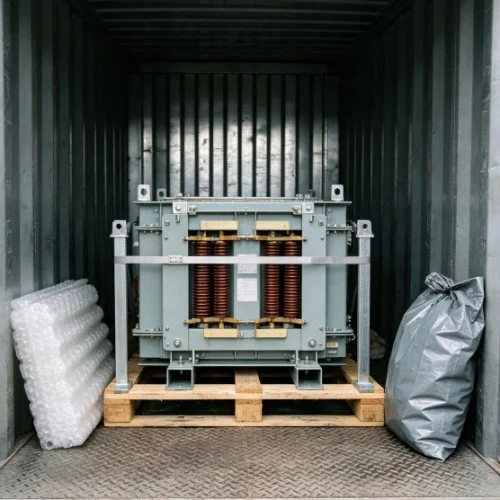
Packaging is selected according to the product structure and transportation requirements to help protect reactors, capacitors, and assembled units during handling and international transportation.
Why Choose Dufew Electric?
Power Electronics Expertise
Dufew Electric focuses on industrial electrical components rather than general-purpose electrical products, with a product range covering resistors, braking systems, reactors, filters, and transformers.
Application-Based Selection
Product configuration is evaluated from the electrical system requirements, including voltage, compensation capacity, harmonic conditions, load characteristics, and installation environment.
Customized Manufacturing
Electrical ratings, detuning factors, dimensions, component arrangements, and installation configurations can be evaluated according to project specifications.
International B2B Support
Dufew Electric works with OEMs, distributors, system integrators, and industrial users on product selection, technical communication, production, inspection, packaging, and delivery.
Frequently Asked Questions
Q1: What is a detuned harmonic filter used for?
A detuned harmonic filter is primarily used to reduce the risk of harmonic resonance and protect power factor correction capacitors while providing reactive power compensation.
Q2: Does a detuned filter eliminate harmonics?
No. A detuned filter is mainly designed for resonance avoidance and capacitor protection. It can provide some harmonic current attenuation, but systems with strict THD requirements may require a dedicated passive or active harmonic filtering solution.
Q3: Can a detuned filter be used with VFDs?
Yes. Detuned filters are commonly applied in power factor correction systems serving facilities with VFDs, rectifiers, and other nonlinear loads. The configuration should be selected according to the site's harmonic and compensation requirements.
Q4: How is the detuning factor selected?
The detuning factor depends on system voltage, frequency, capacitor rating, harmonic spectrum, grid impedance, load characteristics, and the required reactive power compensation. Dufew Electric can evaluate these parameters for application-specific configuration.
Q5: What information is needed to select a suitable filter?
Useful information includes system voltage and frequency, required kVAR, existing capacitor specifications, harmonic measurement data, VFD or rectifier capacity, load profile, single-line diagrams, and installation requirements.
Q6: Can Dufew Electric customize the filter configuration?
Yes. Dufew Electric can evaluate customized reactor and capacitor combinations, electrical ratings, detuning factors, dimensions, installation arrangements, and cabinet integration requirements according to project specifications.
Q7: How are detuned filters tested before shipment?
Depending on the product configuration, inspection and testing may include winding inspection, insulation checks, electrical performance testing, dimensional inspection, terminal inspection, and final product inspection.
Q8: Is a detuned filter suitable for systems with strict harmonic limits?
Not necessarily. A detuned filter is primarily intended for resonance control and capacitor protection. Where a project has strict harmonic current or THD limits, a dedicated harmonic mitigation solution should be evaluated based on measured harmonic and system impedance data.
Detuned Harmonic Filter Manufacturer in China
Dufew Electric provides detuned harmonic filters for low-voltage power factor correction systems used in industrial automation, motor drives, manufacturing facilities, renewable energy applications, and other industrial power systems.
With application-based configuration, customized manufacturing, electrical testing, ISO and CE certification support, and international B2B supply capabilities, Dufew Electric provides practical solutions for capacitor protection, resonance risk reduction, and reactive power compensation.
Contact Dufew Electric with your system voltage, compensation capacity, harmonic data, or electrical drawings for product selection and customized configuration.
Hot Tags: Detuned Harmonic Filter Manufacturer, Supplier, Wholesale
Looking for reliable power electronics components? Contact Dufew Electric, a professional manufacturer and supplier in China, for customized resistors, braking systems, reactors, transformers, and power solutions tailored to your industrial applications.
We use cookies to offer you a better browsing experience, analyze site traffic and personalize content. By using this site, you agree to our use of cookies.Privacy Policy