Suzhou Dufew Electrical Co., Ltd. develops and manufactures power electronics components for industrial automation, motor drives, renewable energy equipment, and electrical control systems. With experience in power management and standardized production, Dufew Electric supports equipment manufacturers, system integrators, and distributors with components designed for demanding electrical environments.
Fast switching, variable loads, and nonlinear equipment can introduce unwanted electrical disturbances into a power system. If these effects are not properly controlled, they may increase component stress, affect motor operation, or interfere with other equipment. A suitable filtering design helps keep these effects within an acceptable range.
What Is a Power Filter?
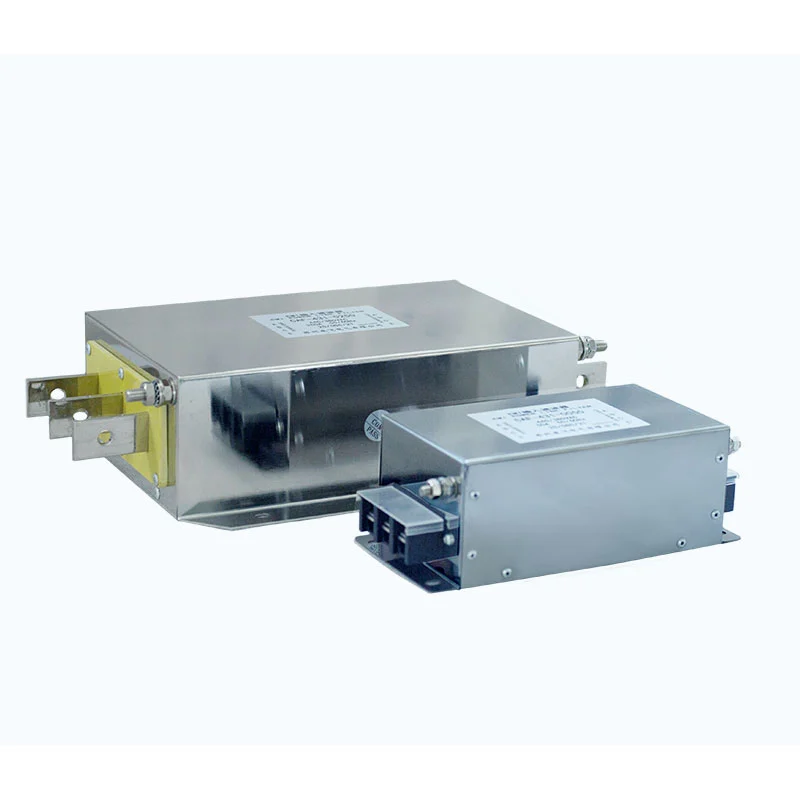
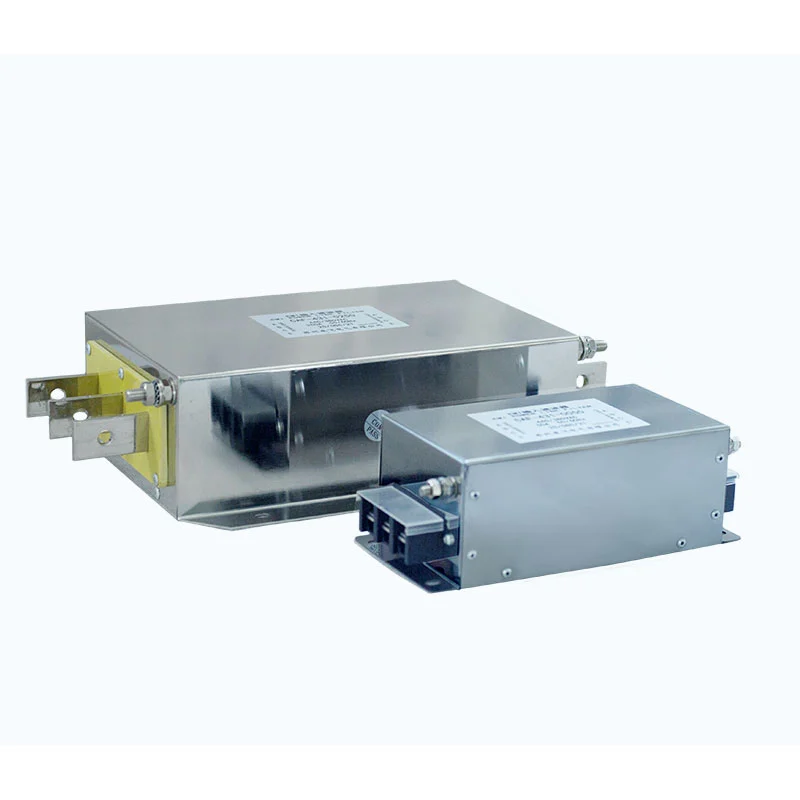
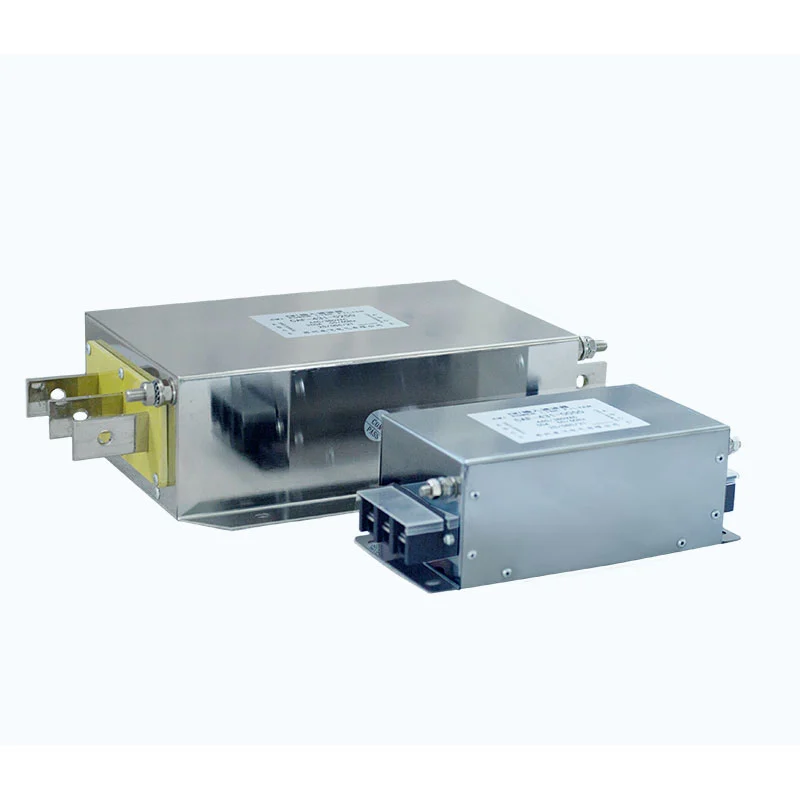
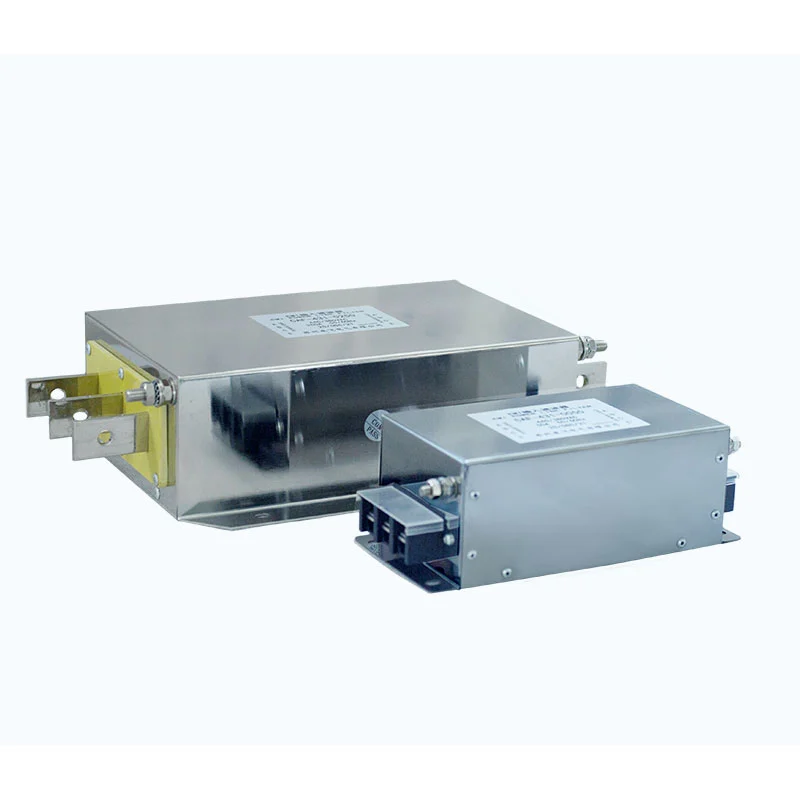
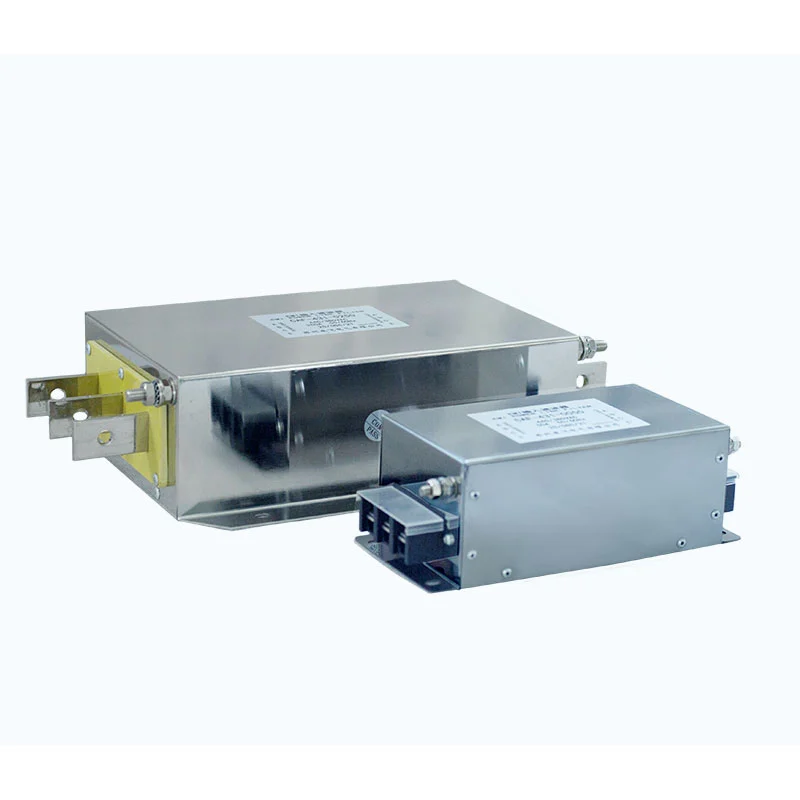
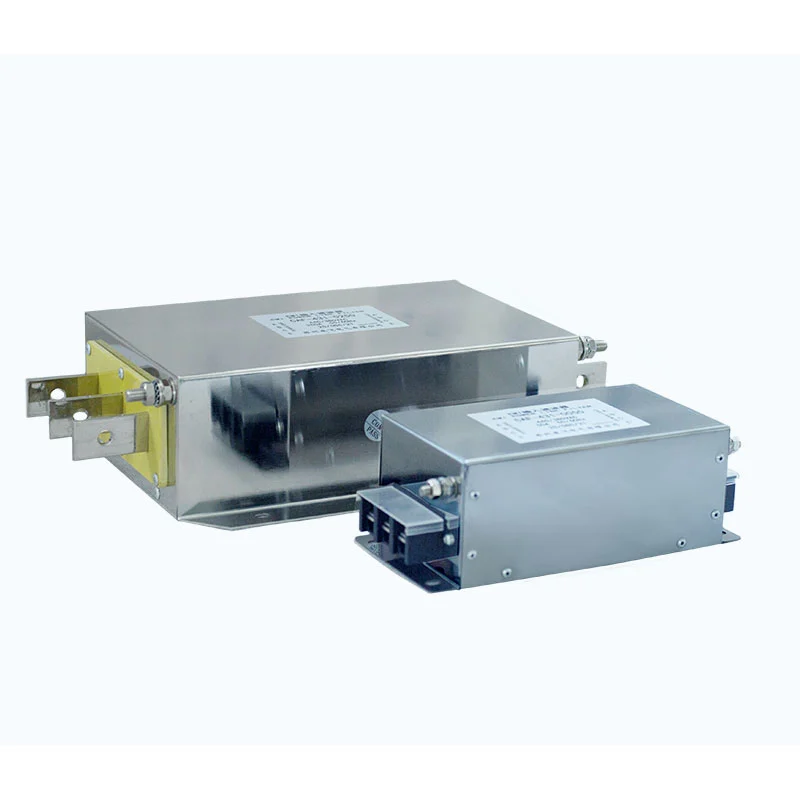
A power filter is a passive electrical device that attenuates unwanted frequency components or conducted interference while allowing the required power to pass through. Its construction and electrical characteristics are selected according to the working conditions of the equipment.
The selection process normally considers rated voltage, current, frequency, load characteristics, cable length, and the type of disturbance present in the system. Correct sizing can improve electromagnetic compatibility and help connected equipment operate under more stable electrical conditions.
Where Is It Used?
These components are commonly found around frequency converters, variable frequency drives, motor systems, industrial controllers, renewable energy equipment, and other switching power devices. The installation position depends on the source of the disturbance and the part of the system that requires protection.
Input Side
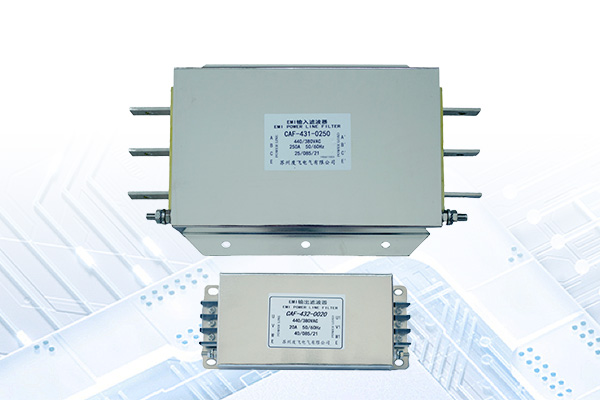
Installed between the incoming supply and the equipment, this configuration helps reduce conducted interference generated by switching circuits. It can also limit disturbances transmitted between the machine and the upstream power network.
This makes it useful in factories where several pieces of electrical equipment operate on the same supply system and unwanted interference may affect neighboring devices.
Motor Side
On the output side of a variable frequency drive, additional components may be required to improve the waveform reaching the motor. This becomes more important when cable runs are long or when the connected motor has particular insulation or noise requirements.
Depending on the application, a dv/dt Filter or Sine Wave Filter can be selected to moderate rapid voltage transitions or provide a smoother motor-side waveform.
Harmonic Control
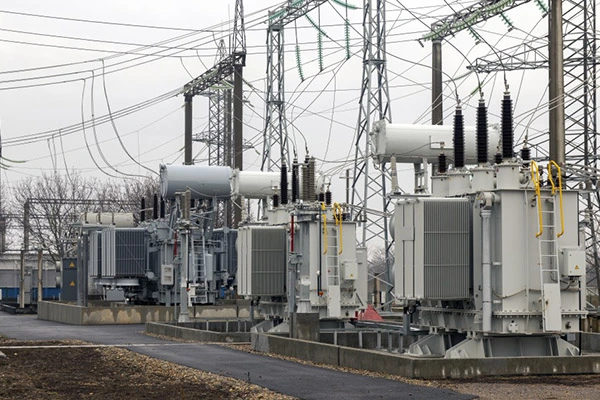
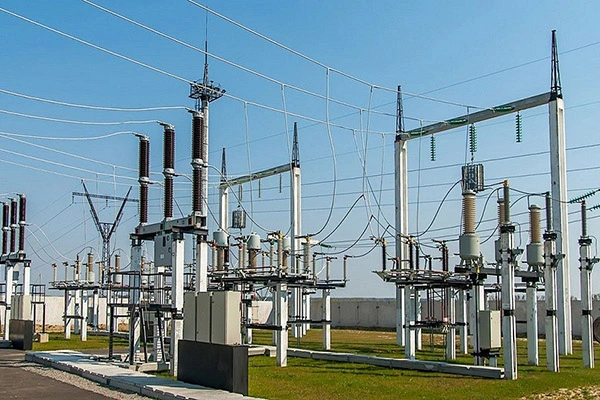
Nonlinear loads such as inverters and other power conversion equipment can generate harmonic currents. High harmonic levels may increase losses, create additional heating, and influence the performance of other equipment connected to the same network.
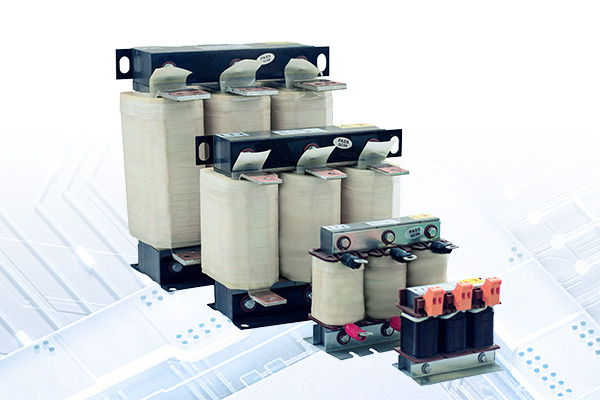
A Harmonic Filter is used when harmonic distortion needs to be reduced to improve the overall quality and stability of the electrical supply.
Choosing the Right Configuration
There is no single design suitable for every industrial application. The appropriate specification depends on the electrical characteristics of the equipment and the problem that needs to be addressed.
Engineers normally evaluate voltage, rated current, motor power, switching frequency, cable distance, harmonic conditions, installation space, and ambient temperature. These factors determine the required electrical capacity as well as the mechanical and thermal design.
For OEM projects, early technical evaluation is particularly useful. It allows the component to be matched with the drive, motor, and surrounding electrical system before production, reducing the risk of selecting an unsuitable specification.
Working with Resistor, Reactor, and Braking Unit Systems
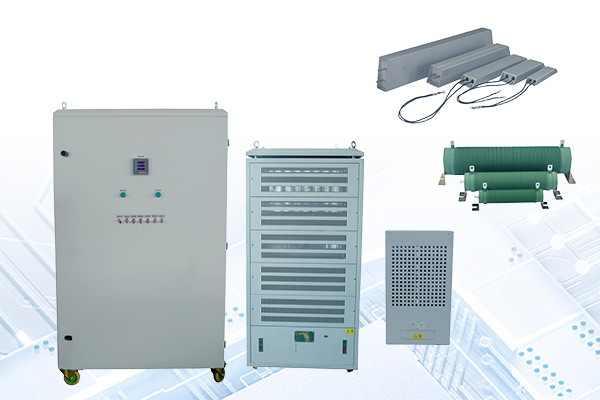
Power management in an industrial drive is usually handled by several components rather than one device. Resistor products can dissipate excess energy, while Reactor products introduce controlled inductive impedance to manage current changes.
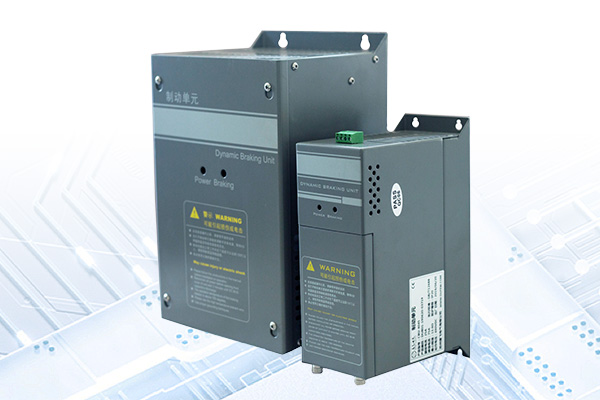
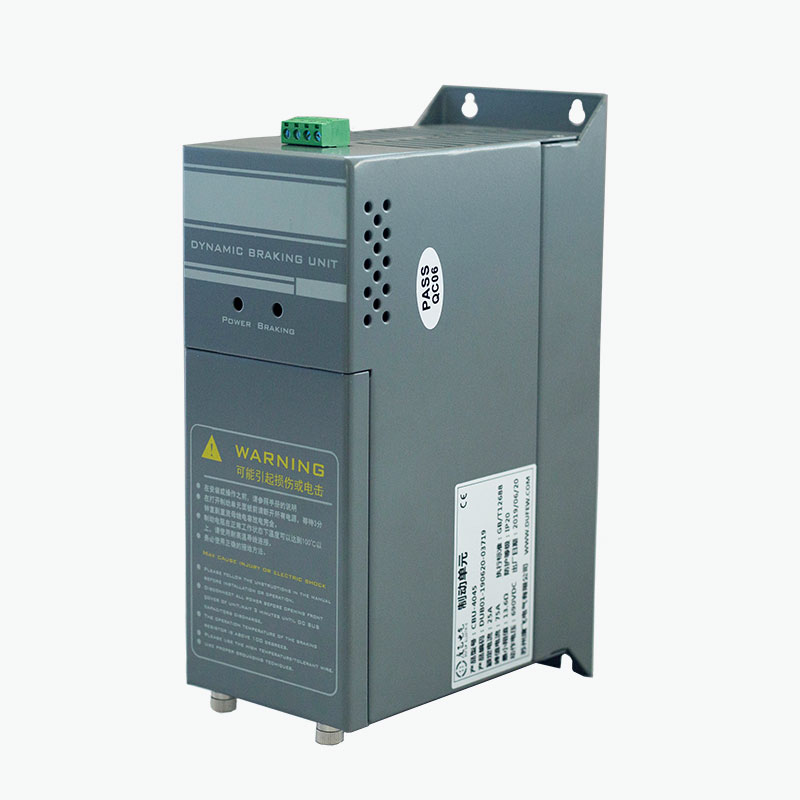
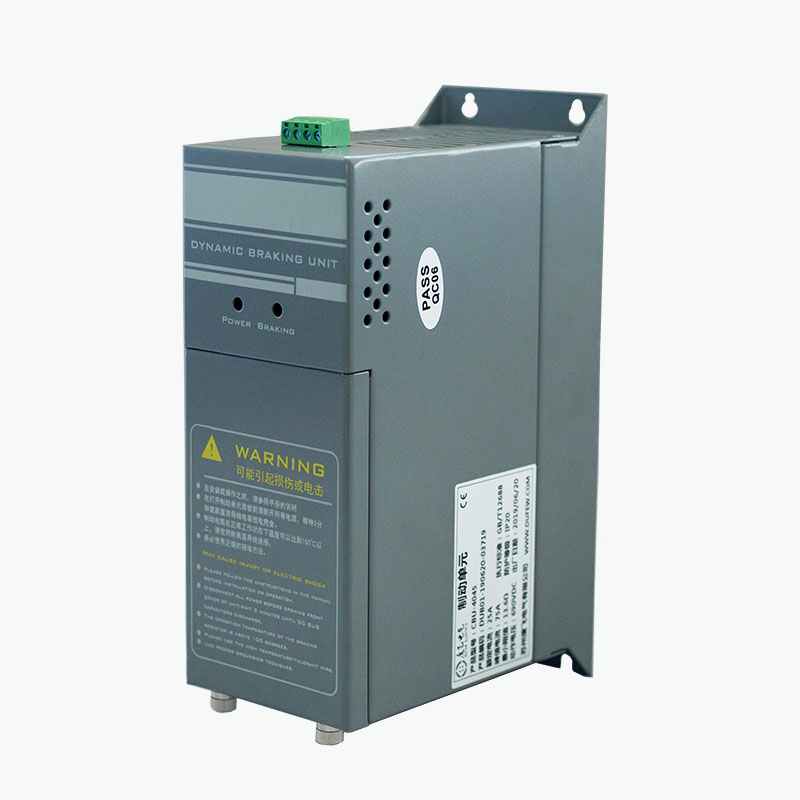
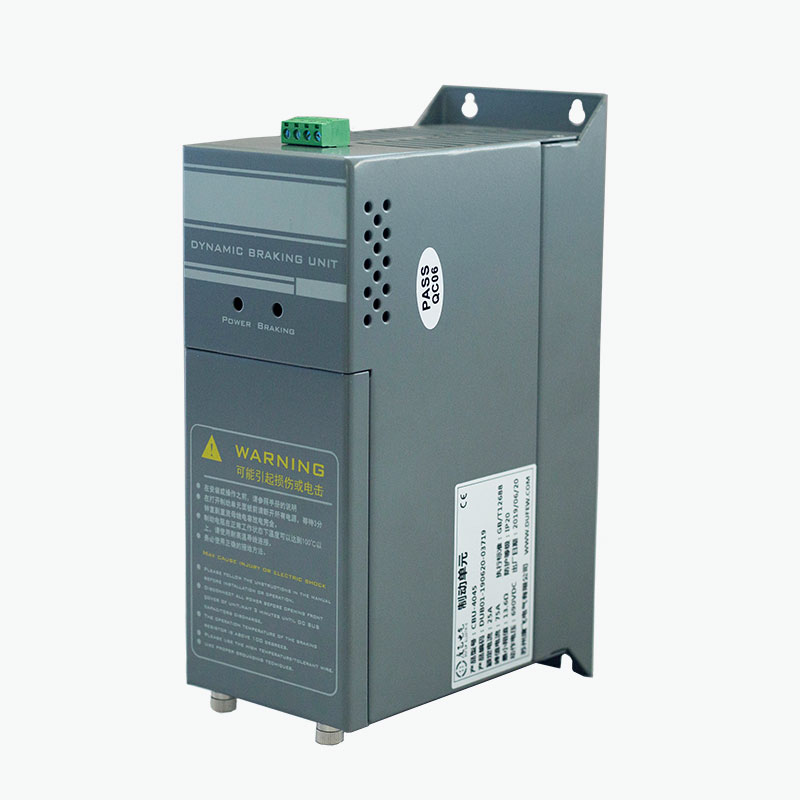
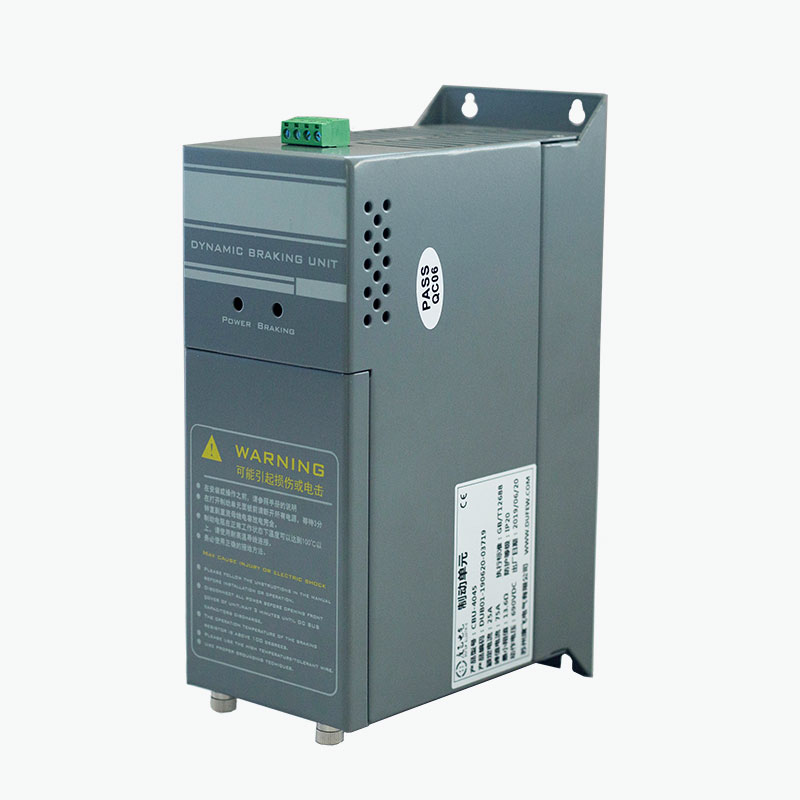
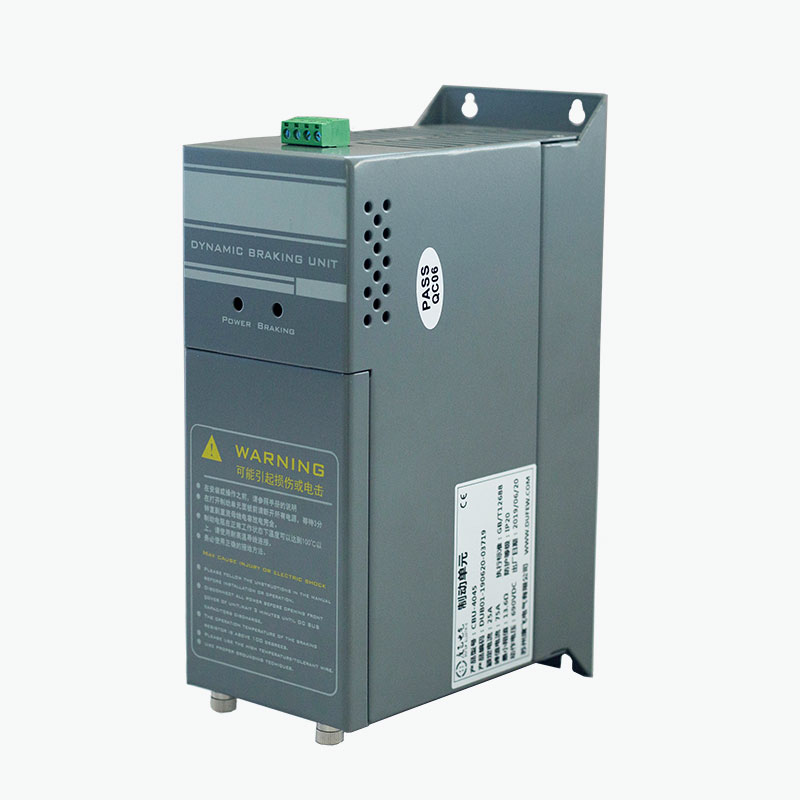
A Braking Unit is used to manage regenerative energy produced during motor deceleration. When these components are correctly matched, the system can achieve better control of electrical energy, braking performance, and equipment protection.
Customized Manufacturing for Industrial Equipment
Dufew Electric supports customized designs for customers with specific electrical or mechanical requirements. As an experienced power electronics manufacturer in China, the company can develop specifications around voltage, current, frequency, dimensions, connection methods, and installation conditions.
The process can include technical assessment, design confirmation, material selection, production, and final inspection. This provides OEM customers and system integrators with greater control over how the component fits into their equipment.
Applications and Expected Results
Dufew Electric products are used in industrial automation, motor drives, renewable energy systems, energy storage equipment, elevators, cranes, and other power electronic applications.
The practical objective is to reduce unwanted electrical effects before they become a larger system problem. Depending on the application, the result may include lower motor stress, reduced interference, improved power quality, or more stable equipment operation.
Quality and Supply Capability
Consistent performance depends not only on electrical design but also on manufacturing control. Dufew Electric applies standardized production procedures and quality inspection throughout the manufacturing process.
The company holds ISO and CE certifications and provides technical support for OEM manufacturers, distributors, and industrial users. For customers sourcing from a China factory, this combination of engineering capability, production experience, and quality management provides a practical basis for long-term cooperation.
FAQ
Q1: What problems can a power filter help solve?
It can help control conducted noise, harmonic distortion, rapid voltage changes, and other unwanted electrical effects. The exact benefit depends on the source and frequency characteristics of the disturbance.
Q2: How do I know which type is suitable for my equipment?
Start with the equipment voltage, current, power rating, switching frequency, motor type, cable length, and operating environment. If the electrical problem has already been measured, those test results are also useful for determining the appropriate configuration.
Q3: When is a dv/dt Filter required?
It is commonly considered for inverter-driven motors, particularly where long cable distances create higher voltage transition stress. Motor insulation requirements and the characteristics of the drive should also be taken into account.
Q4: What is the advantage of a Sine Wave Filter?
It produces a smoother voltage waveform at the motor terminals. This can reduce motor acoustic noise, heating, and additional insulation stress in applications where the standard PWM output is not suitable.
Q5: Can Dufew Electric customize the product?
Yes. Customization can cover electrical ratings, dimensions, terminals, installation arrangements, and other project-specific requirements. Technical parameters can be reviewed before production to confirm whether the proposed design is suitable for the intended application.