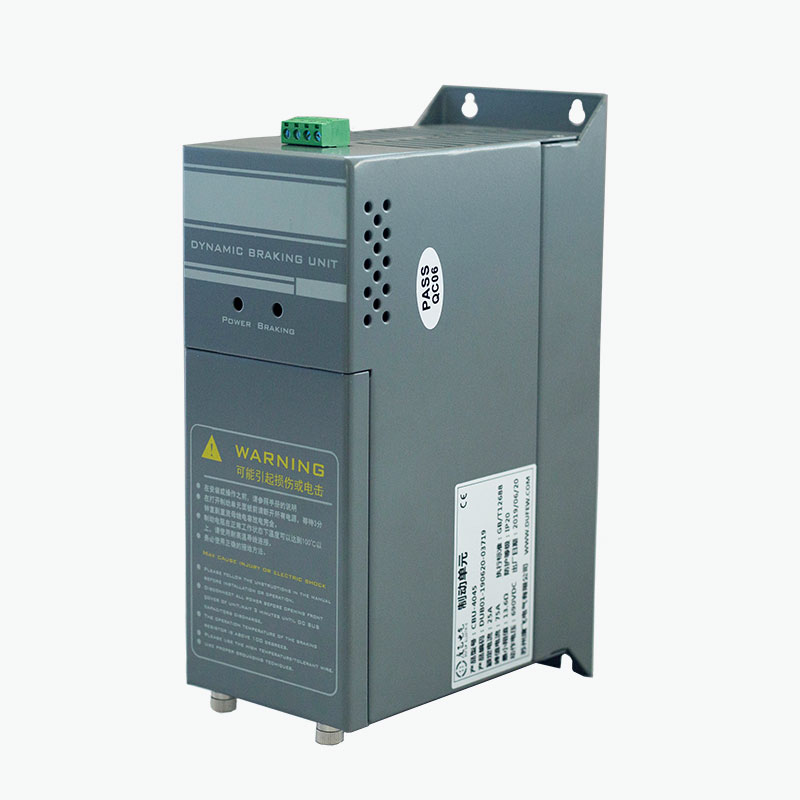
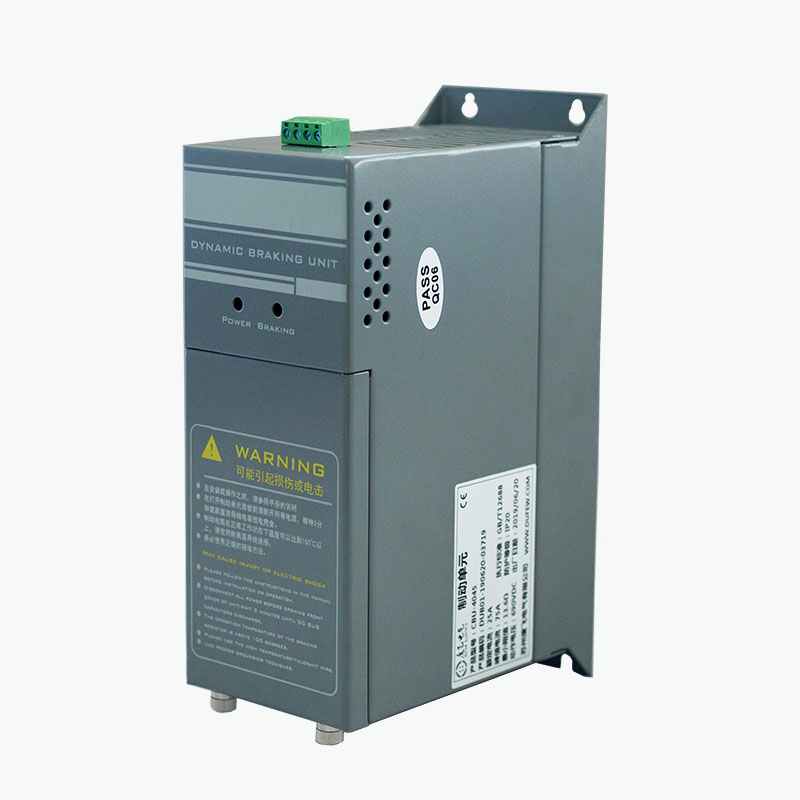
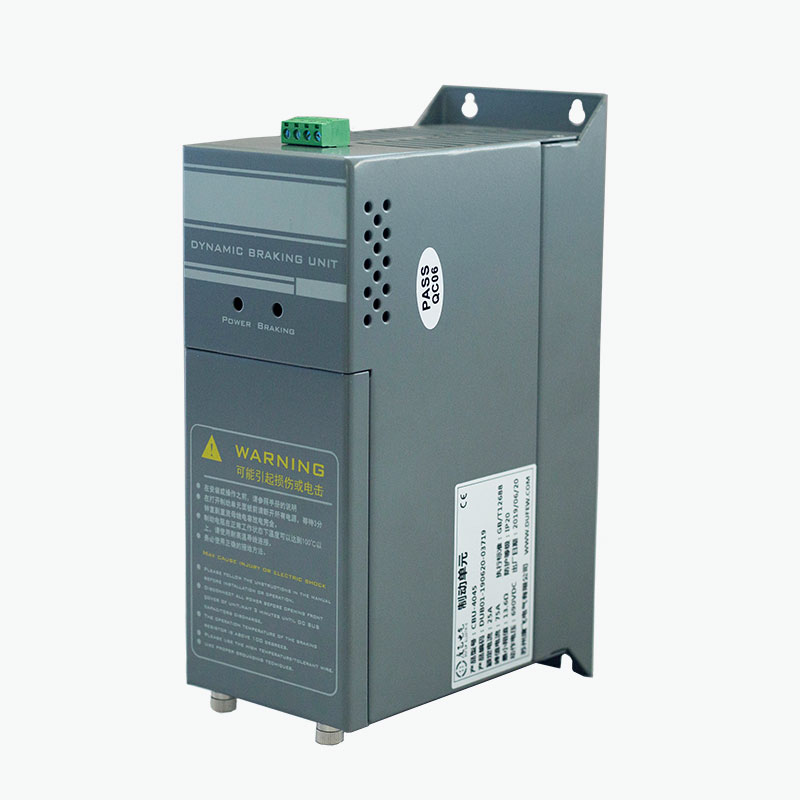
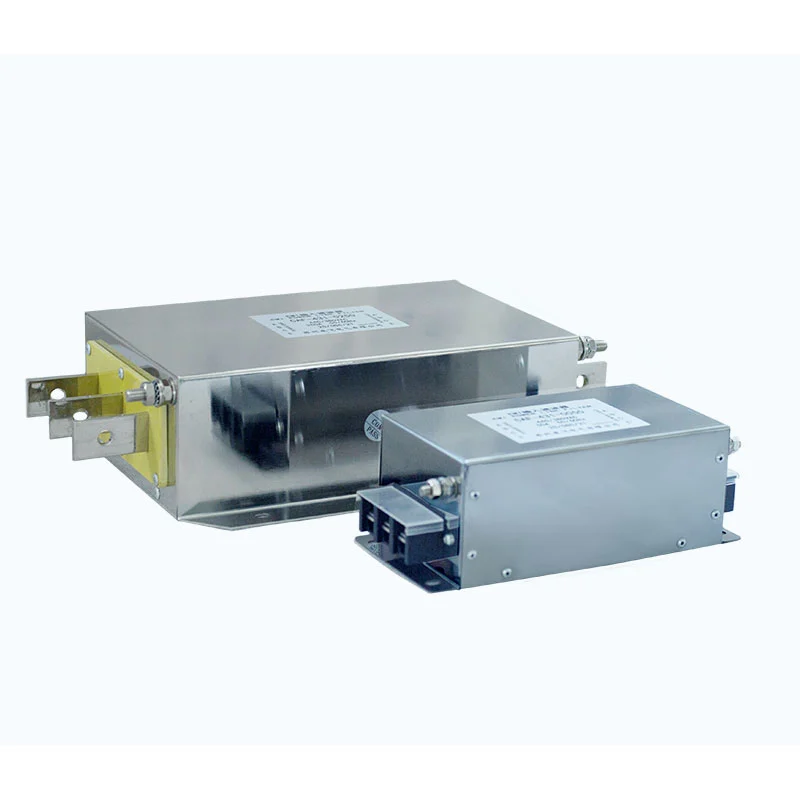
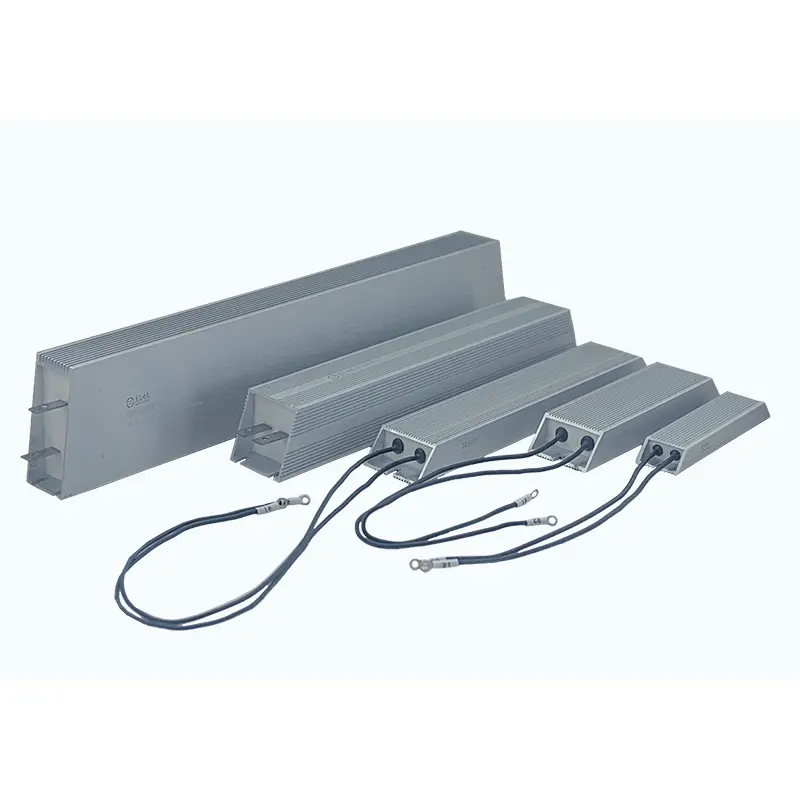
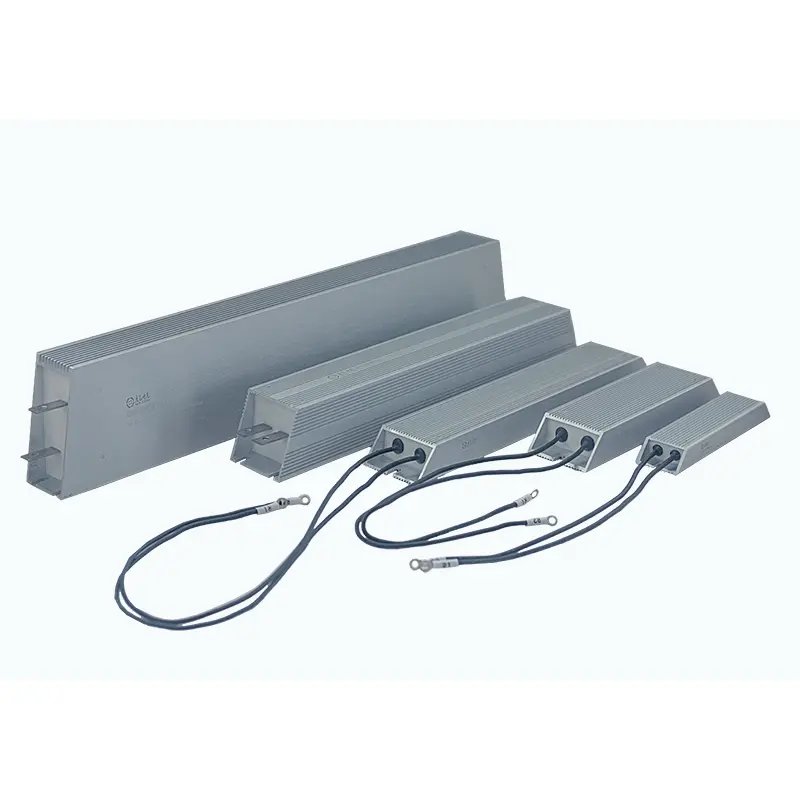
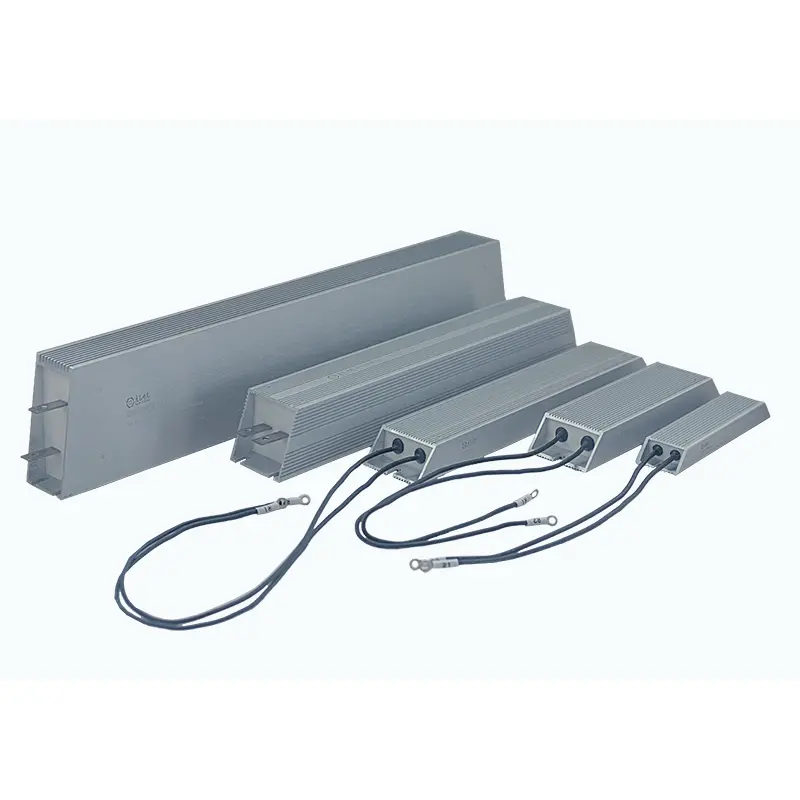
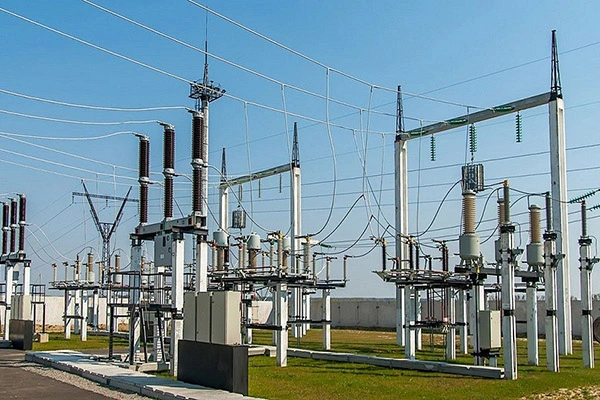
Dufew Electric is an experienced Aluminum Clad Resistor manufacturer in China, supplying power electronics components for motor drives, industrial automation, power conversion, energy systems, and electrical control equipment. With engineering and manufacturing capabilities for different power and installation requirements, the company supports OEM manufacturers, system integrators, distributors, and industrial users with application-focused resistance solutions.
When electrical energy needs to be dissipated while space, heat management, and mechanical protection are also important, an aluminum-housed construction can be a practical choice. Its metal body provides a solid mounting structure and helps transfer heat away from the internal resistance element, making it suitable for many industrial applications.
What Is an Aluminum Clad Resistor?
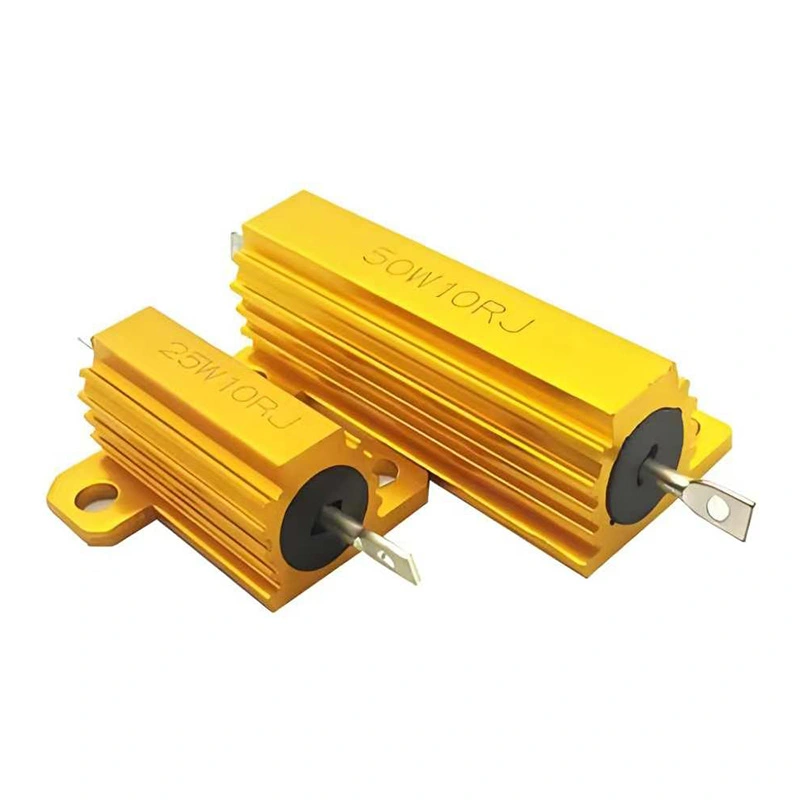
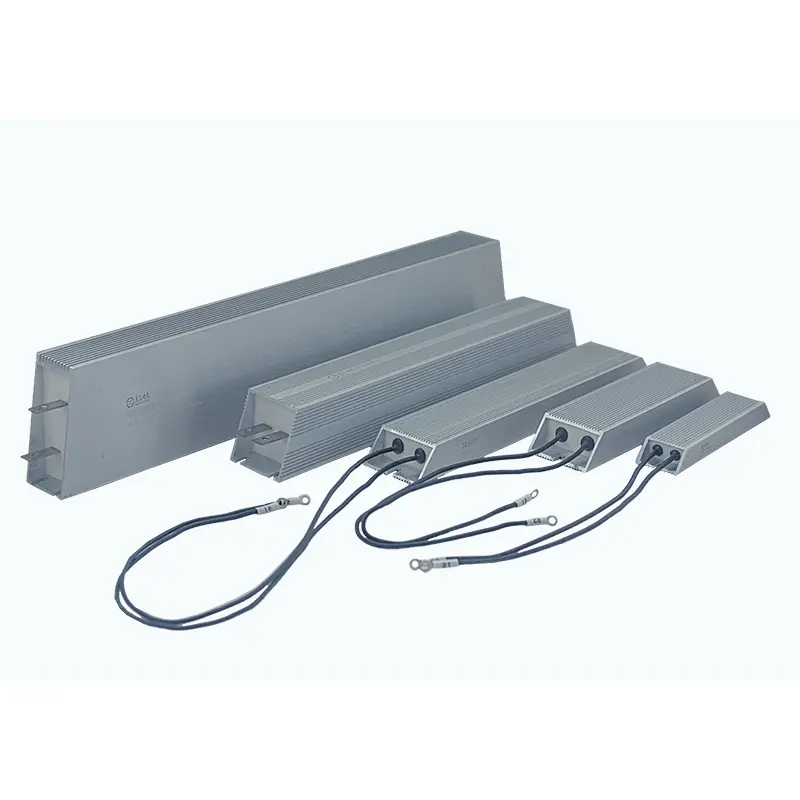
An Aluminum Clad Resistor is a power resistance component enclosed in an aluminum housing. The internal resistance element is electrically insulated from the housing, while the metal shell provides mechanical protection and a path for heat transfer.
This construction combines electrical resistance with practical thermal management. It is commonly selected for applications where a component must handle continuous or intermittent power without occupying excessive installation space.
The housing also provides a convenient mounting surface. Depending on the design, it can be fixed directly to equipment or a heat-dissipating structure.
Why Choose an Aluminum Housing?
Effective Heat Dissipation
Power dissipation inevitably produces heat. The aluminum enclosure helps conduct heat from the internal element toward the mounting surface and surrounding environment, supporting more stable operation when the component is correctly rated.
Compact Mechanical Structure
The enclosed construction provides a relatively compact solution for equipment with limited installation space. It also protects the internal element from direct mechanical contact and helps simplify installation.
Stable Performance Under Industrial Conditions
Industrial equipment may experience vibration, temperature changes, and repeated electrical loading. A robust housing and suitable internal construction can help maintain consistent performance under defined operating conditions.
Common Industrial Applications
This type of power component is suitable for applications where electrical energy must be controlled, absorbed, or dissipated in a defined manner.
-
Motor drives and variable frequency drives
-
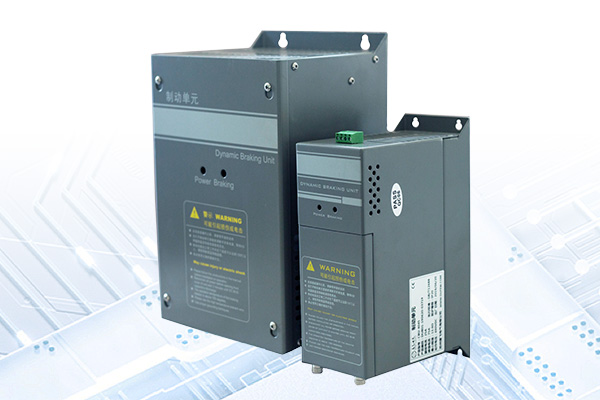
Dynamic braking circuits
-
Power supplies and converters
-
Industrial automation equipment
-
Energy storage systems
-
Power testing equipment
-
Current limiting and load circuits
-
Electrical control equipment
For example, in a motor drive, the component may be used to absorb regenerated energy during deceleration. In a power testing application, it can provide a defined electrical load for evaluating equipment performance.
How to Select the Right Specification
Selecting the correct model requires more than matching a resistance value. Electrical loading, heat generation, operating time, and installation conditions should be considered together.
Common parameters include resistance value, rated power, tolerance, maximum working voltage, overload capability, duty cycle, temperature rise, mounting method, and ambient temperature.
For continuous-load applications, thermal capacity and heat dissipation are particularly important. For braking or pulse applications, the energy generated during each event and the repetition interval should also be evaluated.
The mounting arrangement matters as well. If the housing is attached to a heat sink or conductive mounting surface, the actual thermal conditions may differ from free-air operation. Proper installation should therefore be considered when determining the required rating.
Aluminum Clad Resistor vs. Wirewound Resistor
These two constructions are not necessarily competing products. In many industrial designs, the resistance element and the external housing address different requirements.
A Wirewound Resistor describes the construction of the resistive element, while an aluminum-clad design describes how the component is enclosed and mounted. A wirewound element can therefore be integrated into an aluminum housing when the application requires both high-power resistance and improved mechanical or thermal management.
The appropriate configuration depends on power level, resistance value, duty cycle, thermal conditions, available space, and installation method.
Related Resistance Solutions
Different electrical applications require different forms of resistance equipment. Dufew Electric provides several configurations for component-level control, laboratory testing, and high-power load applications.
Wirewound Resistor
A Wirewound Resistor uses resistance wire wound around an insulating core. It is commonly considered for applications requiring controlled resistance, relatively high power handling, and stable electrical performance.
Decade Resistance Box
A Decade Resistance Box provides adjustable resistance values for laboratory testing, calibration, circuit development, and equipment verification. Engineers can change the setting during testing without replacing individual resistance components.
Load Resistor Cabinet
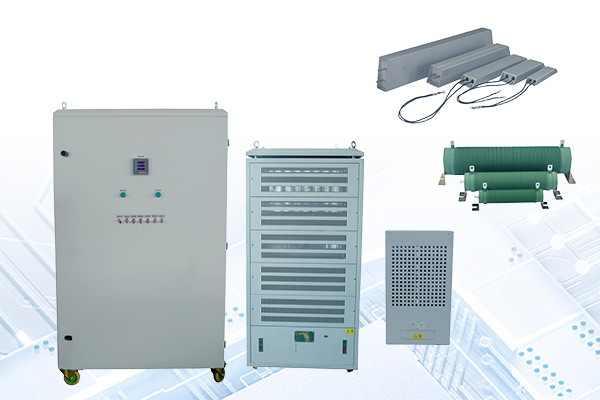
A Load Resistor Cabinet integrates multiple resistance elements into an enclosed assembly for high-power energy dissipation and load testing. It can be configured for generator testing, power supply evaluation, energy systems, and industrial equipment verification.
Customized Manufacturing for OEM Applications
Dufew Electric supports customized configurations for OEM and industrial projects where standard specifications may not fully match the equipment requirements.
Customization may involve resistance value, rated power, tolerance, housing dimensions, terminals, mounting arrangement, protection structure, and cooling requirements. The internal resistance construction can also be selected according to the electrical duty.
Before production, the application parameters can be reviewed to determine a suitable electrical and mechanical configuration. This is particularly useful when installation space, thermal conditions, or repeated load cycles place additional requirements on the component.
Manufacturing and Quality Control
Power components require consistent manufacturing because electrical performance is closely related to material selection, assembly accuracy, insulation, and thermal characteristics.
Dufew Electric applies standardized production procedures and inspection processes throughout manufacturing. The company holds ISO and CE certifications and supplies power electronics components for industrial applications in different markets.
As a China factory and electrical component supplier, Dufew Electric supports OEM orders, distributor requirements, and project-based configurations with technical specification review before production.
FAQ
Q1: What is an aluminum-clad design mainly used for?
It is mainly used where electrical energy needs to be dissipated and the application also requires a compact, mechanically protected structure with practical heat transfer characteristics.
Q2: Is an aluminum housing suitable for continuous loading?
It can be, provided the resistance value, power rating, duty cycle, ambient temperature, and mounting conditions are correctly evaluated. Continuous operation places greater emphasis on thermal management than short-duration loading.
Q3: What information is needed for product selection?
Useful information includes resistance value, rated power, working voltage, tolerance, overload conditions, duty cycle, dimensions, mounting method, cooling conditions, and required quantity. Application details can help confirm the appropriate configuration.
Q4: What is the difference between aluminum clad and wirewound construction?
They describe different aspects of the component. Wirewound refers to the way the resistance element is constructed, while aluminum clad refers to the external housing and thermal management structure. The two can be used together in the same product.
Q5: Can Dufew Electric provide customized products?
Yes. Dufew Electric can evaluate electrical ratings, resistance values, housing dimensions, terminals, mounting arrangements, and thermal requirements before production. Customized configurations are available for suitable OEM and industrial applications.