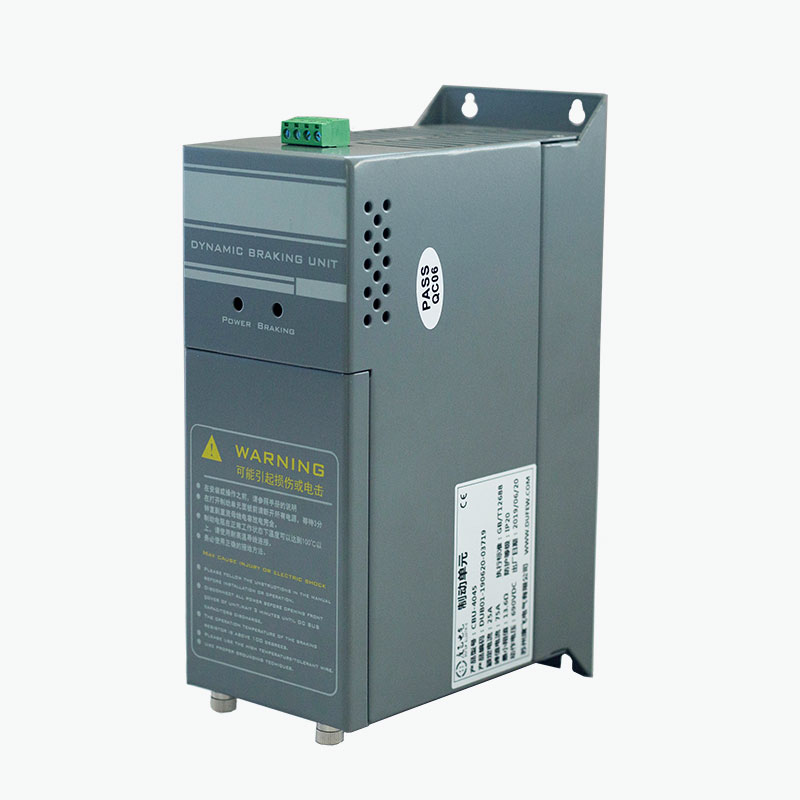
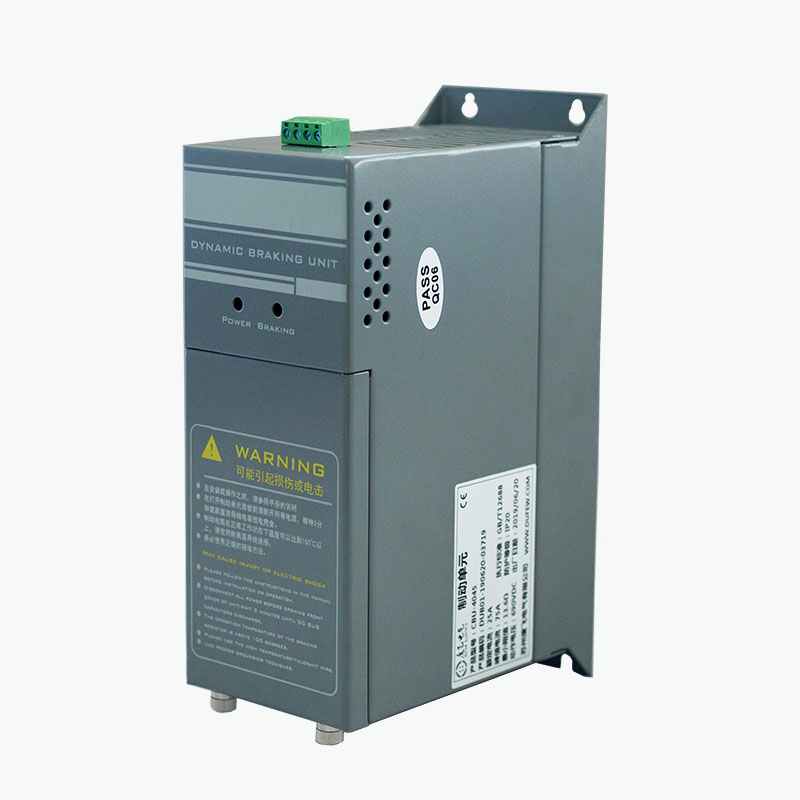
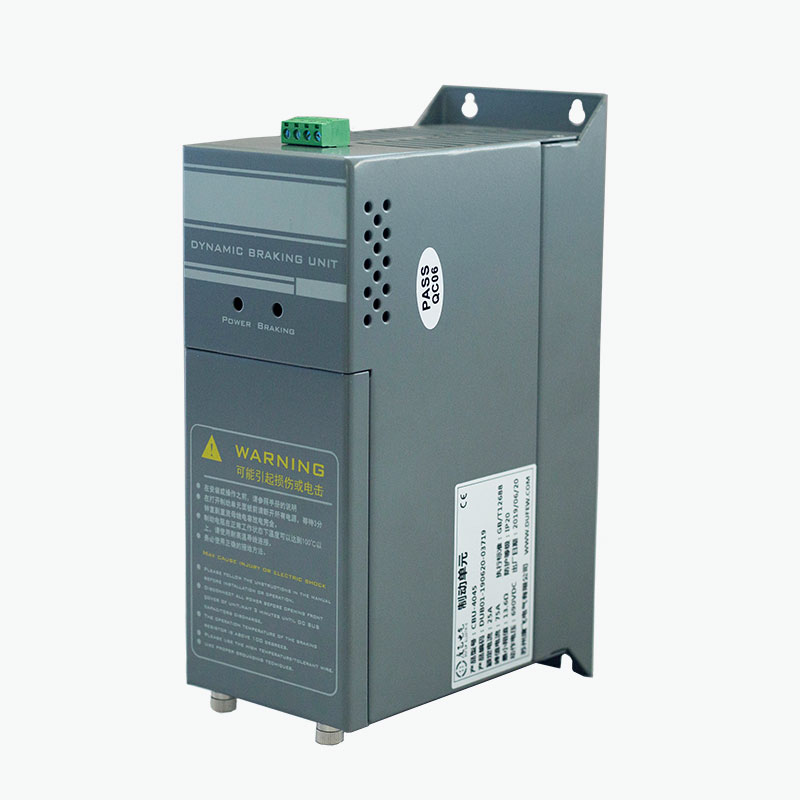
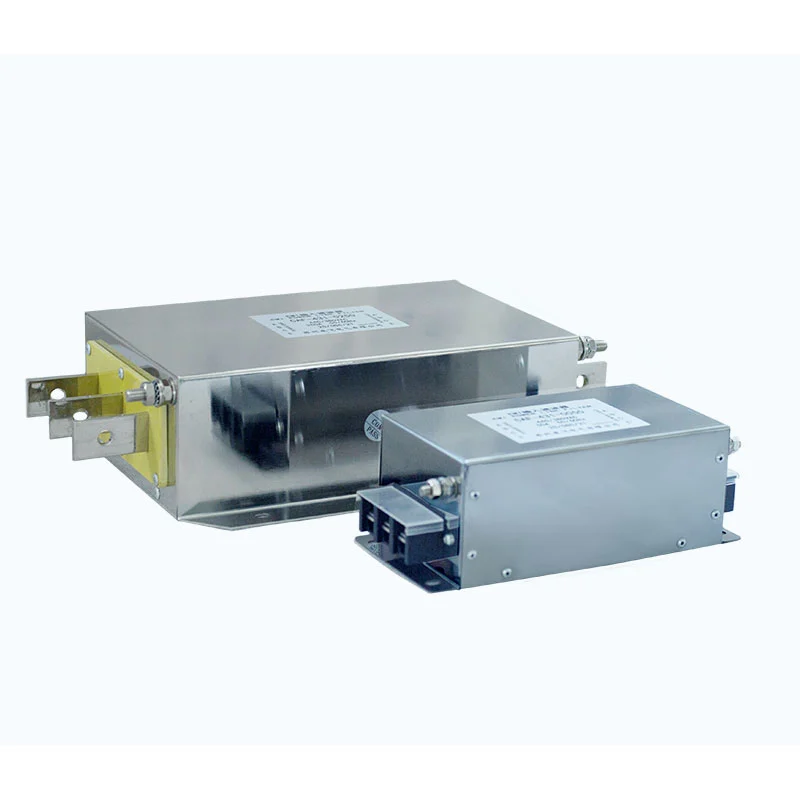
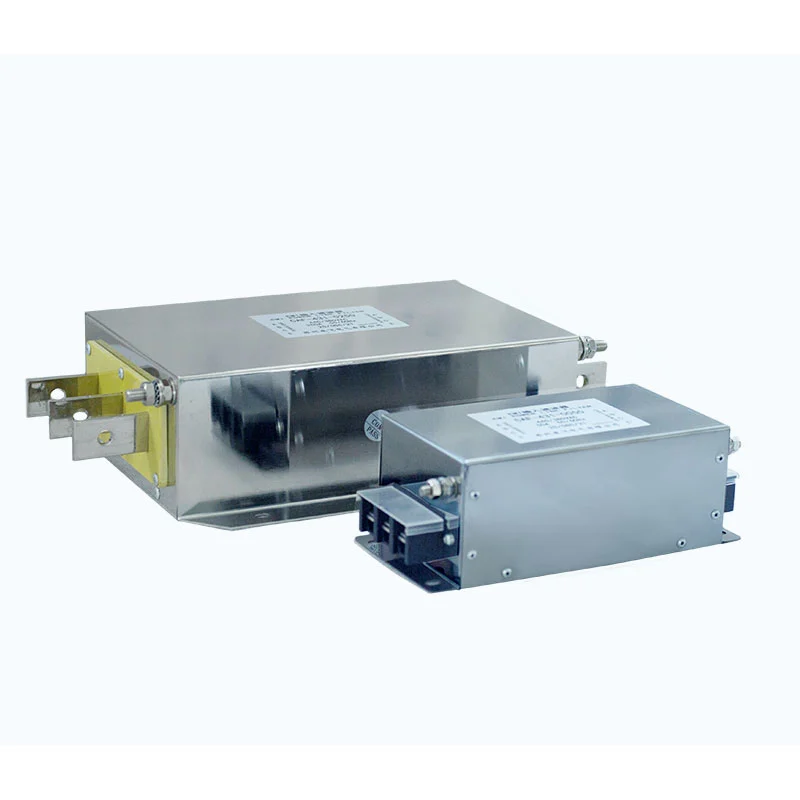
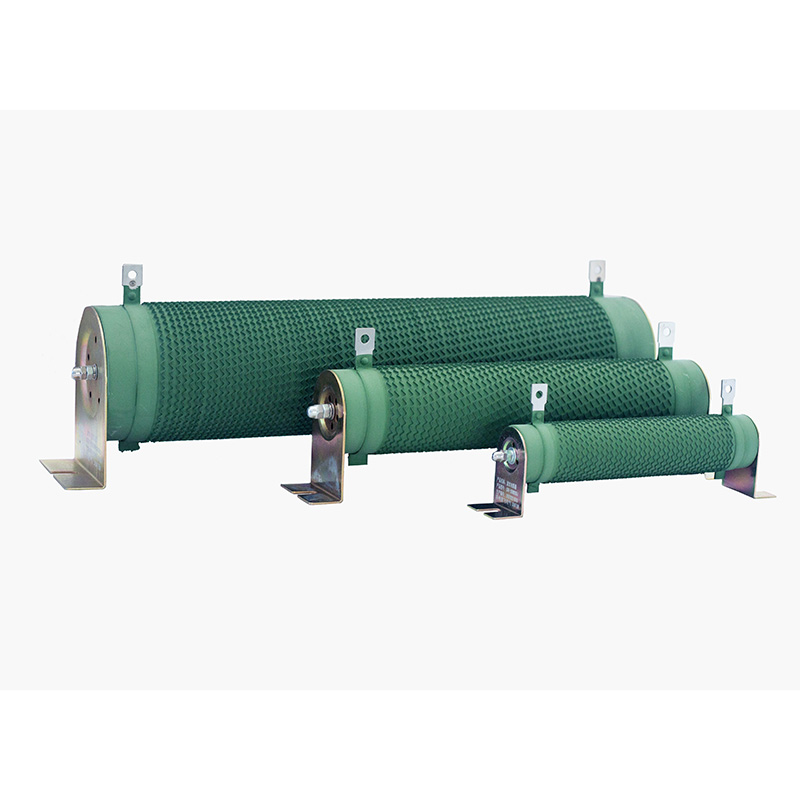
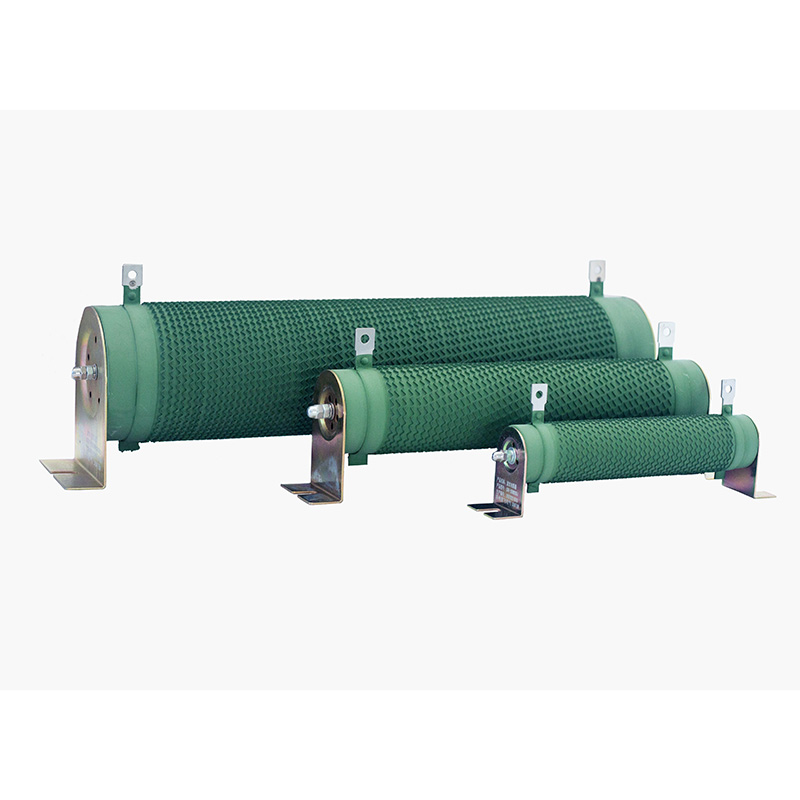
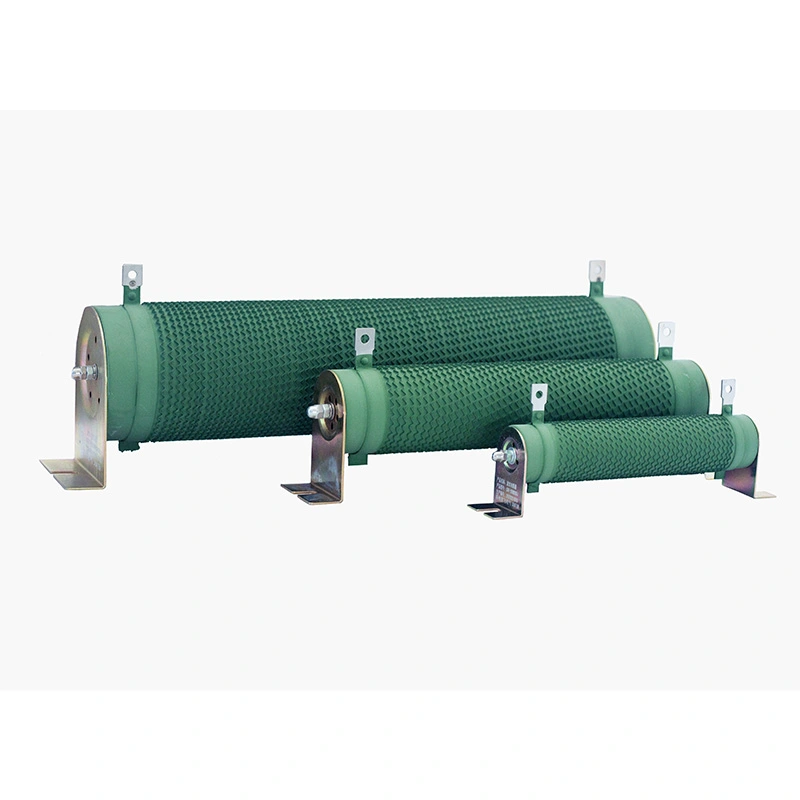
Dufew Electric is an experienced Wirewound Resistor manufacturer in China, providing industrial resistance components for motor drives, power conversion equipment, automation systems, energy storage, and electrical testing applications. With engineering and manufacturing capabilities for different power levels and installation requirements, we support OEM manufacturers, system integrators, distributors, and industrial users with practical solutions.
When an electrical system needs to handle relatively high power or repeated energy dissipation, the construction of the resistance element becomes important. A wirewound design uses resistive alloy wire wound around an insulating core, providing controlled resistance together with good power-handling and thermal characteristics.
What Is a Wirewound Resistor?
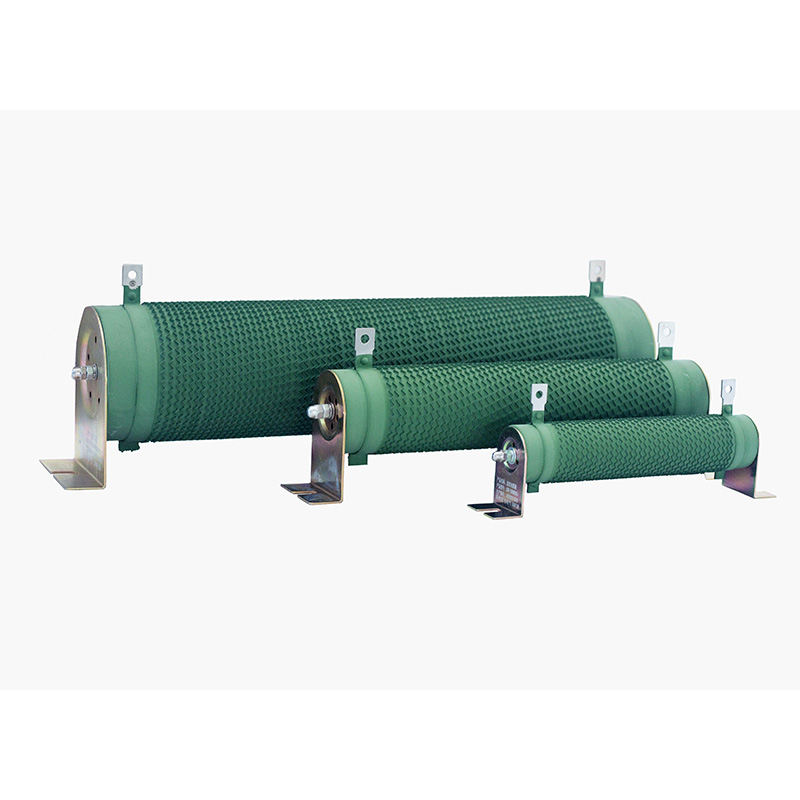
A Wirewound Resistor is constructed by winding resistance wire around an insulating core, commonly made from ceramic or other heat-resistant materials. The final resistance value depends on the wire material, diameter, length, and winding arrangement.
This structure is well suited to applications where electrical energy must be controlled or dissipated. Compared with many low-power resistance technologies, it can be designed for higher power levels, stable operation, and demanding thermal conditions.
There is also an important design consideration. Because the wire forms a winding, conventional constructions have parasitic inductance. For circuits where inductive effects need to be minimized, a non-inductive configuration may be considered.
Key Performance Characteristics
High Power Capability
The resistive element and insulating core provide a practical path for handling electrical loading and transferring generated heat. This makes the construction suitable for continuous loads as well as short-duration energy pulses when properly rated.
Stable Electrical Performance
Industrial equipment often operates for extended periods and under changing temperatures. Appropriate resistance materials and controlled manufacturing processes help maintain a predictable resistance value during normal operating conditions.
Flexible Construction
Different wire materials, winding methods, core structures, terminals, dimensions, and mounting arrangements can be selected according to the application. This flexibility is useful when electrical requirements and available installation space need to be considered together.
Common Industrial Applications
This technology is commonly used where electrical energy needs to be limited, absorbed, or converted into heat under controlled conditions.
-
Motor drives and variable frequency drives
-
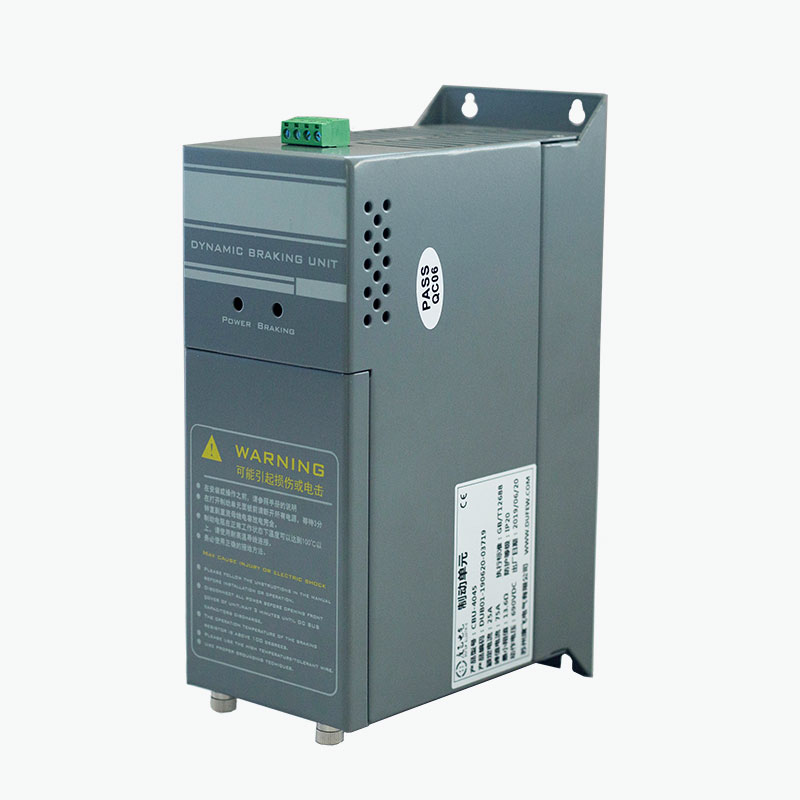
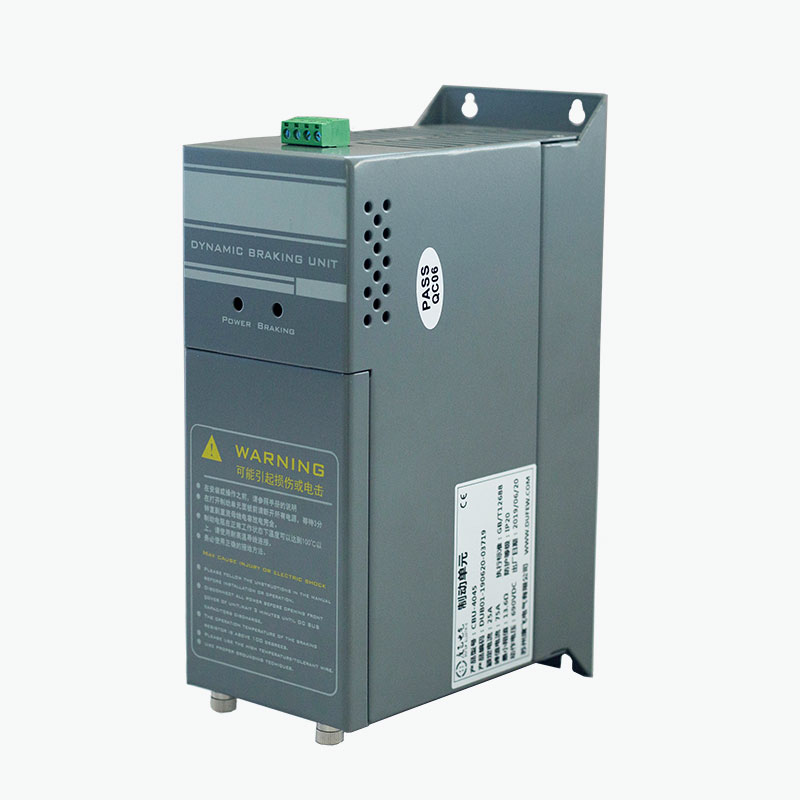
Dynamic braking systems
-
Power supplies and converters
-
Industrial automation equipment
-
Electronic load and testing equipment
-
Current and voltage control circuits
-
Energy storage and renewable energy systems
-
Industrial power control equipment
In a motor-drive system, for example, the component may be used to dissipate regenerated energy during rapid deceleration. In testing equipment, it can provide a controlled electrical load for evaluating the performance of power sources, converters, and other equipment.
How to Select the Right Specification
Resistance value alone is not enough to determine a suitable specification. The electrical load, operating cycle, thermal conditions, and installation environment should be evaluated together.
Common selection parameters include rated power, resistance value, tolerance, working voltage, overload capability, duty cycle, temperature rise, cooling method, mounting arrangement, and ambient temperature.
The type of load also matters. A component used for continuous energy dissipation requires sufficient long-term thermal capacity, while a braking or pulse application may depend more on the energy of each event, pulse duration, repetition rate, and cooling interval.
Frequency should also be considered. Conventional winding structures introduce a certain level of inductive effect. Where the circuit is sensitive to inductance, an appropriate non-inductive design may be evaluated.
Related Resistance Solutions
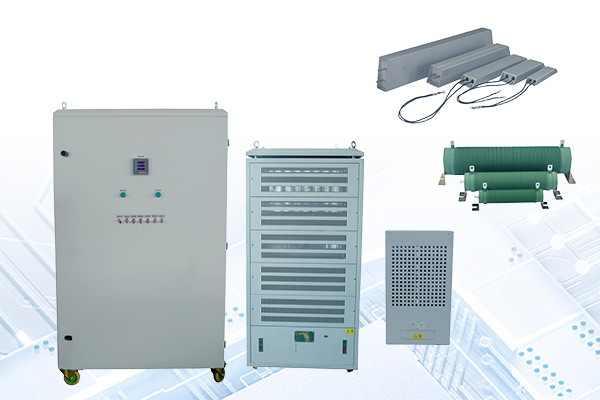
Different industrial applications require different resistance structures. Dufew Electric provides several configurations for compact installation, adjustable testing, and high-power load management.
Aluminum Clad Resistor
An Aluminum Clad Resistor uses a metal housing for mechanical protection and heat transfer. It is suitable for applications where compact dimensions, reliable mounting, and efficient thermal management are required.
Decade Resistance Box
A Decade Resistance Box provides selectable resistance values for laboratory testing, calibration, circuit development, and equipment verification. The operator can change the resistance setting during testing without replacing individual components.
Load Resistor Cabinet
A Load Resistor Cabinet integrates multiple resistance elements into an enclosed assembly for high-power energy dissipation and load testing. It can be configured for generator testing, power supply testing, energy systems, and industrial equipment verification.
Customized Manufacturing for OEM Applications
Dufew Electric supports customized electrical and mechanical configurations for OEM and industrial projects. The design can be developed according to the actual load, duty cycle, installation space, and operating environment.
Customization may include resistance value, rated power, tolerance, dimensions, terminals, mounting method, winding configuration, enclosure structure, and cooling arrangement.
For project-based orders, technical requirements can be reviewed before production. This allows the electrical rating and physical construction to be matched more closely to the customer's equipment and installation conditions.
Manufacturing and Quality Control
Consistent performance depends on controlled manufacturing at every stage. Material selection, winding accuracy, assembly, electrical testing, and final inspection all influence the finished component.
Dufew Electric applies standardized production procedures and quality inspection throughout the manufacturing process. The company holds ISO and CE certifications and supplies power electronics components for industrial customers in different markets.
As a China factory and electrical component supplier, Dufew Electric supports standard orders, OEM requirements, and project-specific configurations for distributors and system integrators.
FAQ
Q1: What are these components mainly used for?
They are commonly used for power dissipation, current control, dynamic braking, load testing, and other applications where electrical energy needs to be handled under defined operating conditions.
Q2: What information is needed when requesting a quotation?
Useful information includes resistance value, power rating, working voltage, tolerance, overload or pulse conditions, duty cycle, dimensions, mounting method, cooling conditions, and required quantity. Application details can also help determine a suitable configuration.
Q3: Are wirewound designs suitable for high-frequency circuits?
Conventional winding structures have parasitic inductance and may not be suitable for circuits that require very low inductance. A non-inductive construction can be considered when the application is sensitive to this effect.
Q4: What is the difference between continuous and pulse loading?
Continuous loading is mainly determined by long-term thermal capacity. Pulse loading depends more heavily on energy per pulse, pulse duration, repetition rate, and the cooling interval between events.
Q5: Can Dufew Electric provide customized products?
Yes. Dufew Electric can evaluate electrical ratings, mechanical dimensions, terminals, mounting arrangements, winding structures, and thermal requirements before production. Customized configurations are available for suitable OEM and industrial applications.