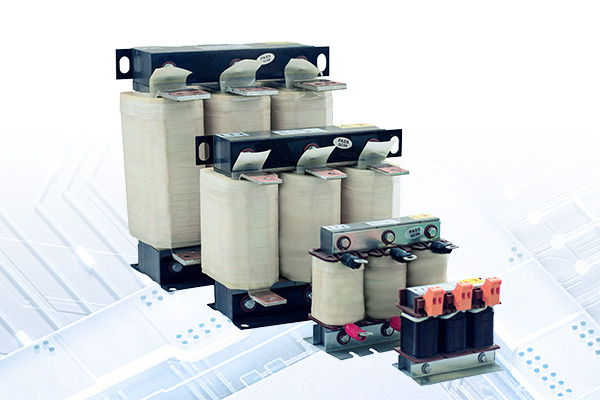
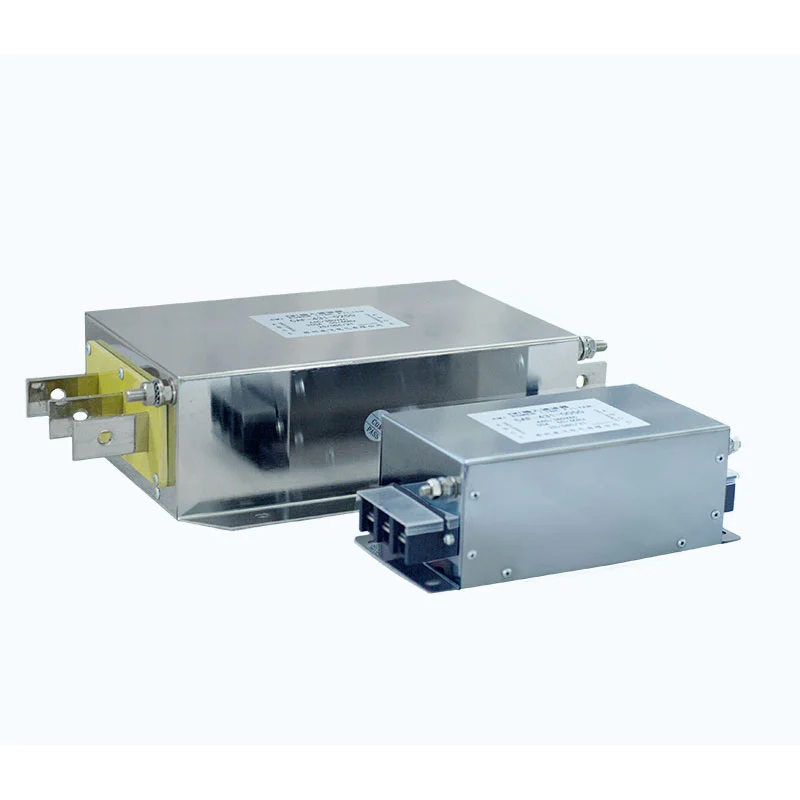
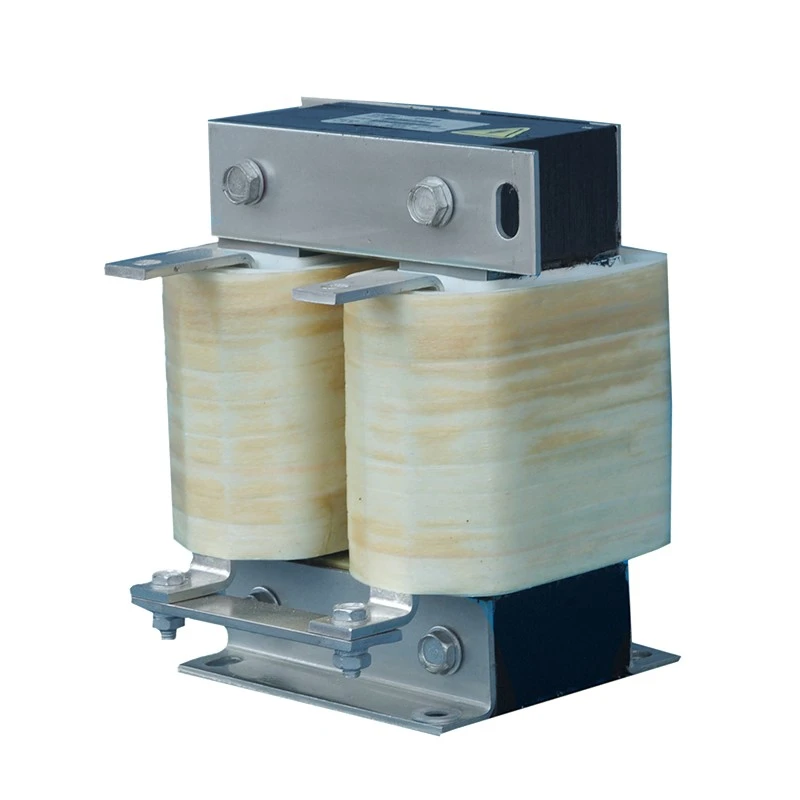
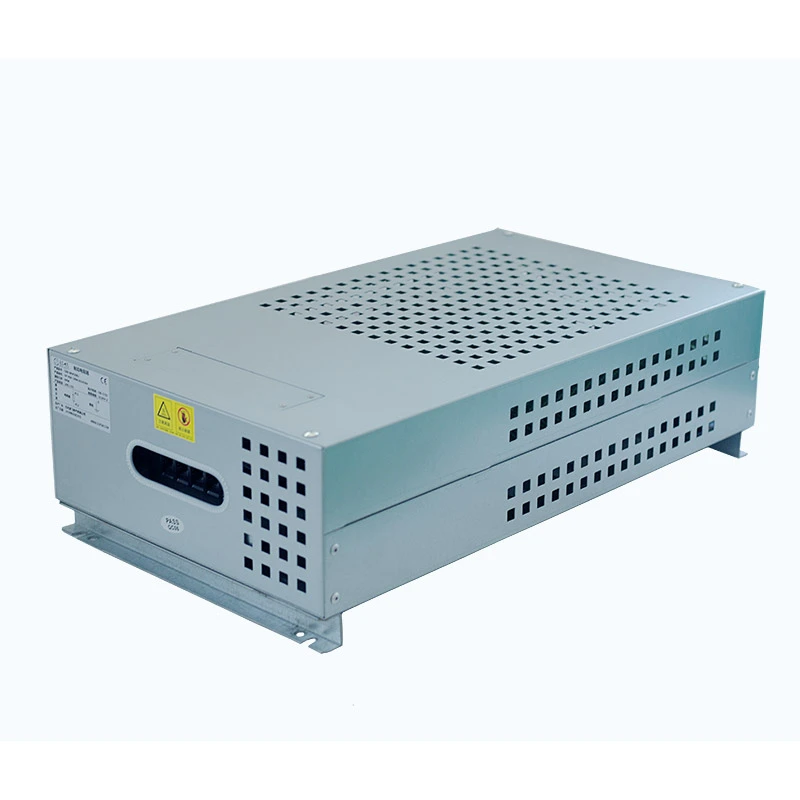
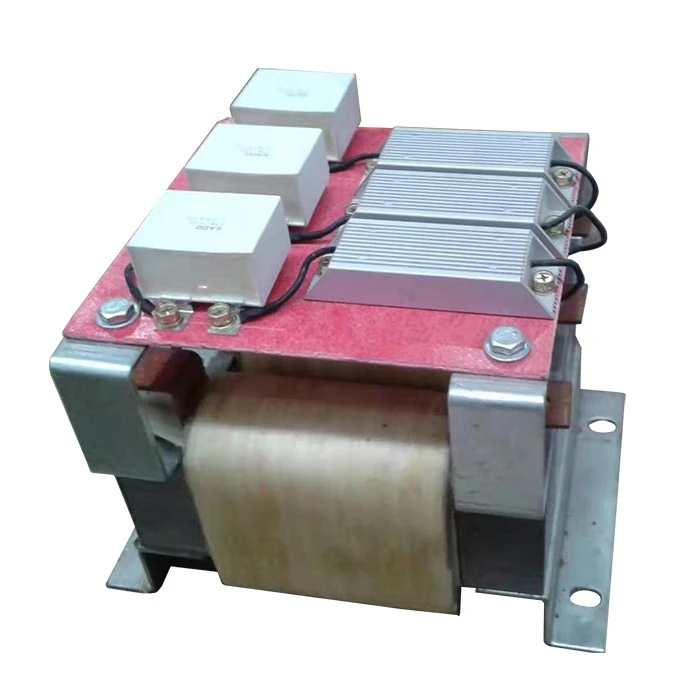
A reactor—or inductive component—serves as the energy storage element in power electronics, essential for filtering, smoothing, and impedance matching. Unlike resistors, reactors store energy magnetically, resisting changes in current flow. This property makes them ideal for DC-DC converters, motor drives, and power factor correction.
Core material selection dictates reactor performance. Ferrite cores excel at high frequencies, while laminated silicon steel suits line-frequency applications. Saturation current defines the maximum usable range—exceeding this collapses inductance and can cause circuit failure. Engineers must balance core loss (hysteresis and eddy currents) against copper loss (winding resistance) to achieve optimal efficiency.
Reactor design also impacts electromagnetic interference. Careful winding geometry and shielding minimize stray fields. In power systems, line reactors protect drives by reducing harmonics and smoothing current spikes. They also limit inrush currents during startup. The reactor’s ability to store and release energy underlies all switching power supplies, making it indispensable in modern energy-conversion systems.
We use cookies to offer you a better browsing experience, analyze site traffic and personalize content. By using this site, you agree to our use of cookies.Privacy Policy