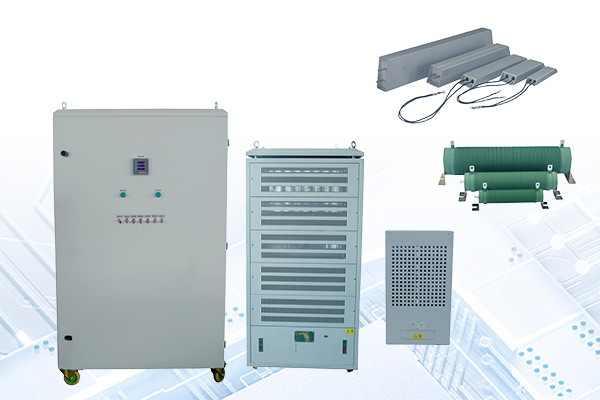
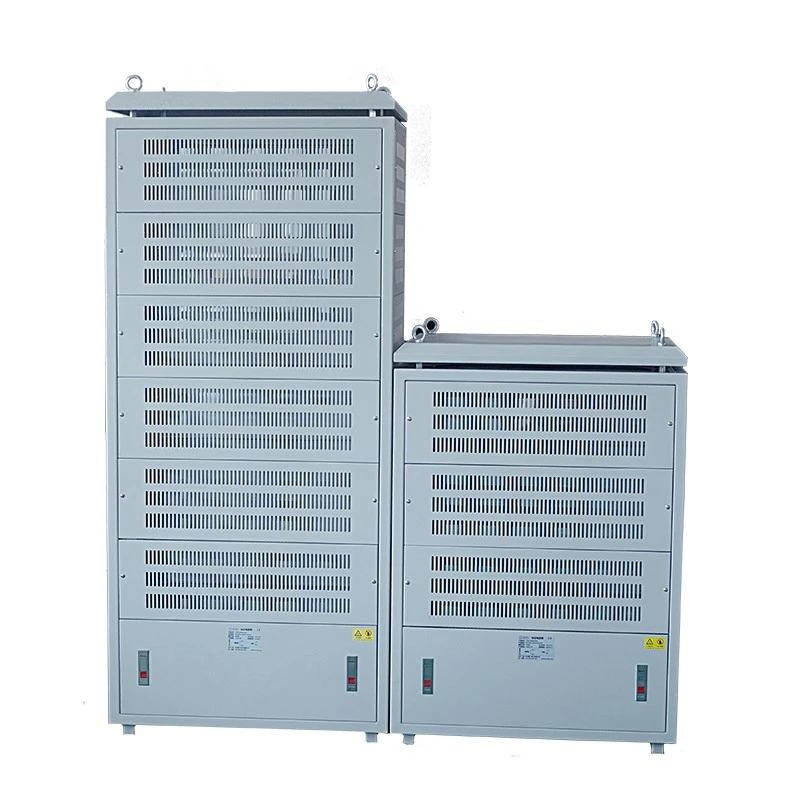
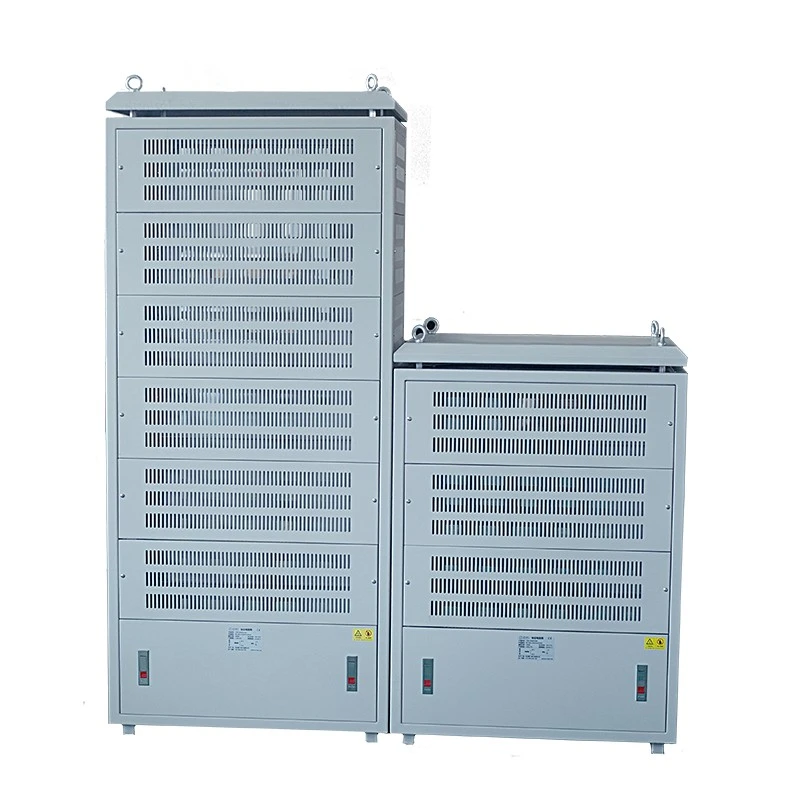
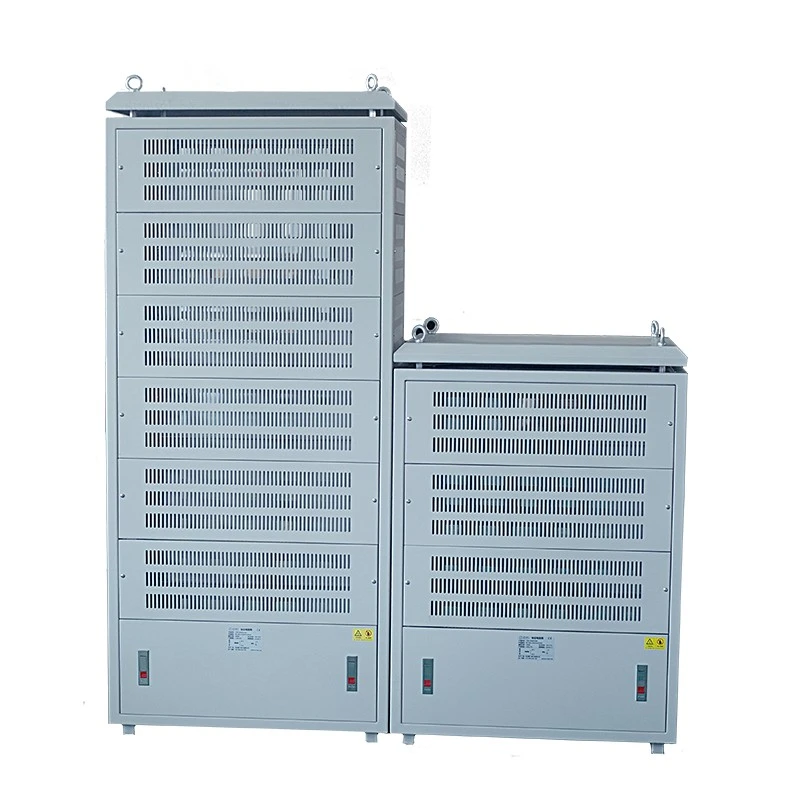
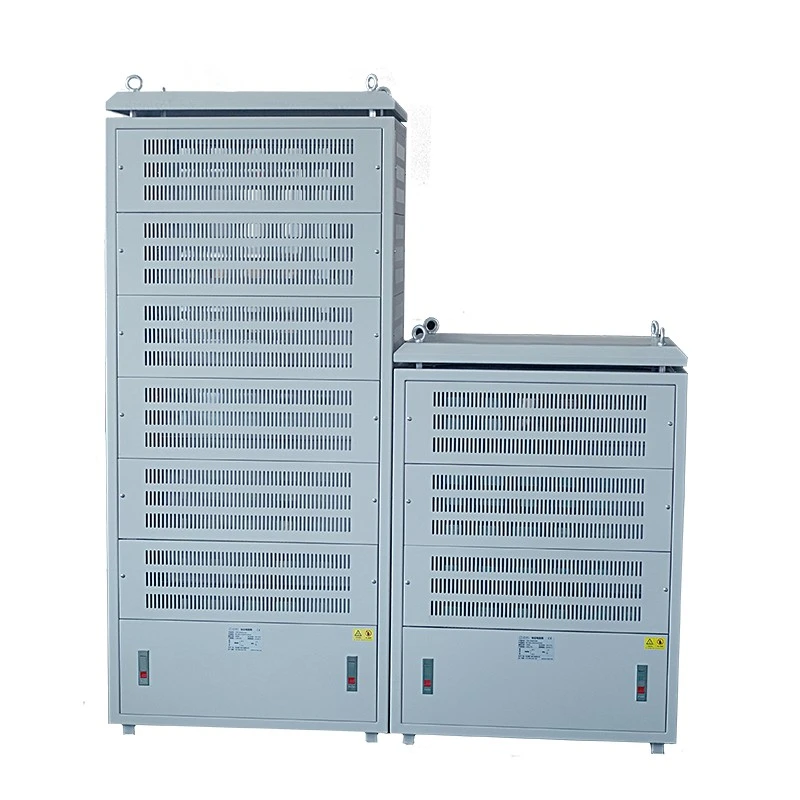
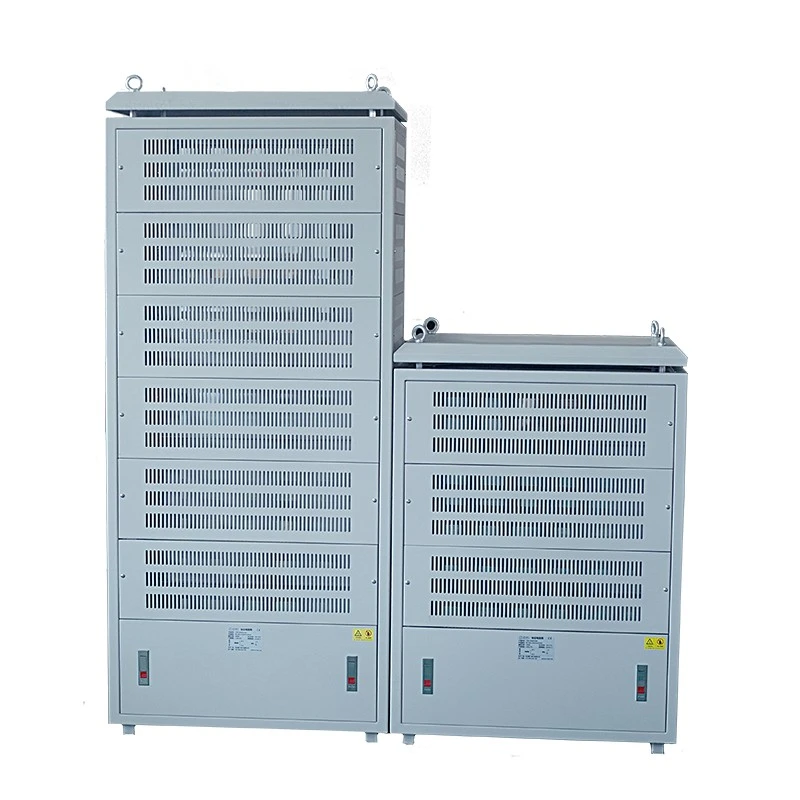
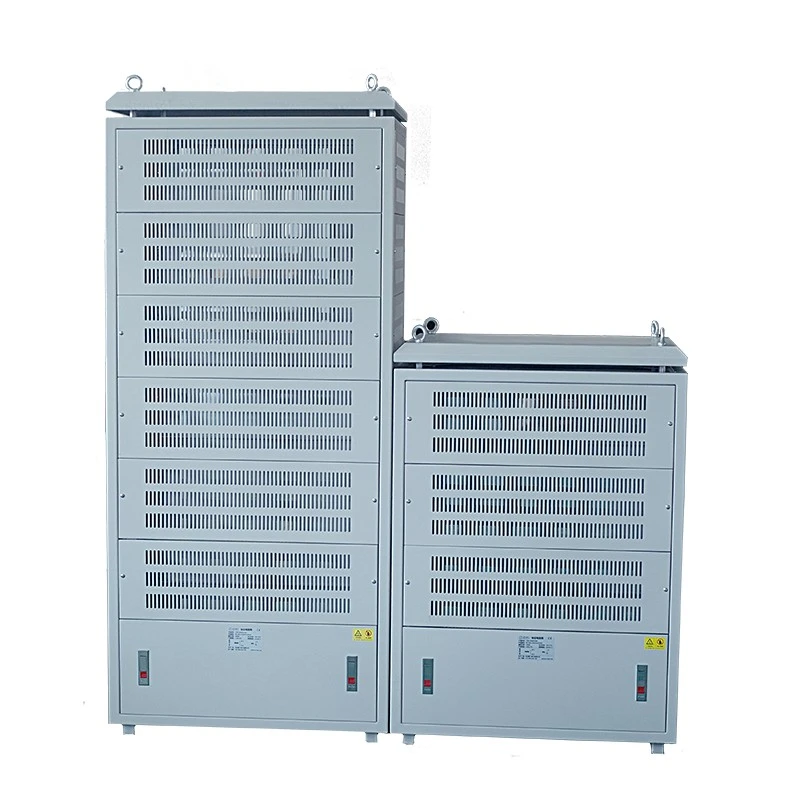
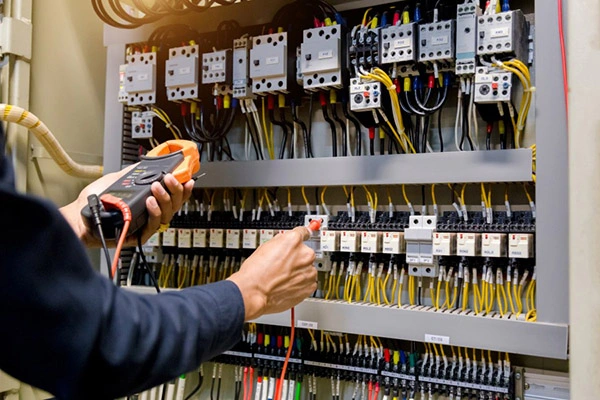
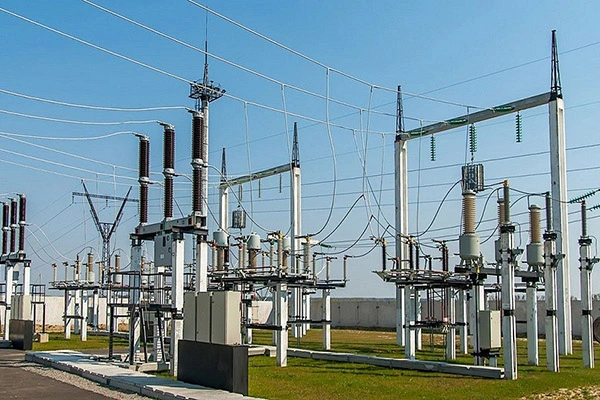
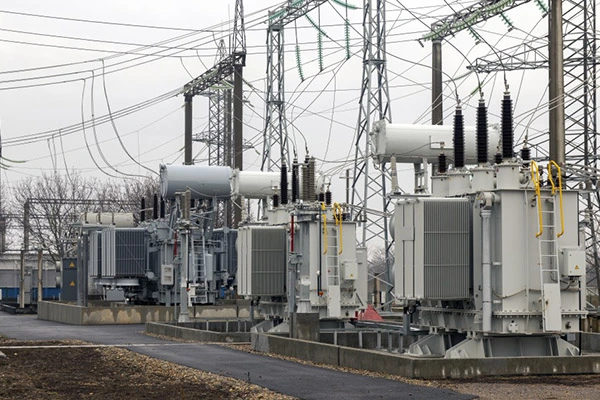
When a generator, UPS, battery system, inverter, or other power source needs to operate under a controlled electrical load, the test equipment must be able to absorb the required energy safely. A Load Resistor Cabinet provides a practical solution by combining multiple resistance elements, electrical connections, cooling components, and protective structures in one enclosure.
This type of equipment is mainly used for high-power load testing and energy dissipation. The configuration can be arranged according to voltage, power, resistance, duty cycle, installation space, and the way the load needs to be controlled.
Load Resistor Cabinet for High-Power Testing
The basic purpose is to apply a known electrical load to the equipment being tested. This allows engineers or maintenance personnel to observe how the system performs under a defined operating condition.
For example, a generator can be tested at different load levels without connecting it to the facility's normal electrical system. A UPS can be checked under a controlled demand, while a battery system can be discharged through a specified resistance load.
Main Industrial Applications
Generator Load Testing
A controlled load can be used during generator commissioning, maintenance, and performance checks. By applying a defined electrical demand, operators can monitor output voltage, current, frequency, temperature, and overall operating stability.
UPS and Power Supply Testing
UPS systems and power supplies often need to be tested without relying on connected equipment. A known resistive load provides a repeatable test condition for checking output capability and thermal behavior.
Battery and Energy Storage Testing
Resistance loads can be used to discharge stored electrical energy at a controlled rate. Battery capacity, discharge current, operating time, and temperature conditions should be considered when determining the required configuration.
Motor Drive Applications
Some motor drives generate electrical energy when a motor decelerates. When this energy cannot be returned to the supply, it may be directed to a resistance load and converted into heat. The required capacity depends on the braking energy and operating cycle.
How the Load Is Configured
High-power equipment normally uses several resistance elements rather than relying on a single large component. The elements can be divided into separate sections and connected in different combinations according to the required load.
This makes stepped loading possible. A test can start at a lower level and increase progressively, or selected sections can be operated independently when several test conditions are required.
The electrical arrangement depends on the voltage, current, total power, resistance value, and required load range. The same cabinet structure cannot be applied to every project.
Power, Resistance, and Duty Cycle
Power rating should be considered together with operating time. A unit that handles a high load for a few minutes has different thermal requirements from one that operates continuously.
Repeated testing also needs to be considered. Even when each individual test is relatively short, heat accumulated during previous cycles may affect the allowable load of the next cycle.
For accurate selection, the operating duration, repetition interval, ambient temperature, and required load should be specified along with the nominal electrical rating.
Cooling and Enclosure Requirements
All electrical energy dissipated by the resistance elements ultimately becomes heat. The enclosure therefore needs a suitable method of removing that heat while maintaining safe operating temperatures.
Natural convection may be suitable for some lower-power applications. Higher-capacity equipment may require forced-air cooling, with the fan capacity and airflow path matched to the expected heat generation.
Cabinet construction also needs to account for electrical insulation, component spacing, terminal access, maintenance, and the surrounding environment. Outdoor installations may require additional protection against moisture, dust, temperature variation, and corrosion.
Key Specifications for Selection
|
Parameter
|
Selection Consideration
|
|
Rated Voltage
|
System voltage and insulation requirements
|
|
Load Power
|
Total power to be absorbed by the resistance assembly
|
|
Resistance
|
Total resistance and required load range
|
|
Duty Cycle
|
Continuous, intermittent, or short-duration operation
|
|
Cooling
|
Natural convection or forced-air cooling
|
|
Load Steps
|
Number of selectable resistance sections
|
|
Installation
|
Indoor or outdoor conditions and available space
|
|
Control
|
Manual, contactor-based, or remote load switching
|
Resistor Types Used in Related Applications
Different resistance constructions are suitable for different electrical conditions. A Wirewound Resistor can be used where a defined resistance value and suitable power capacity are required. An Aluminum Clad Resistor provides a compact metal-housed construction with a useful heat-transfer path.
A Decade Resistance Box is intended for a different type of work. Its selectable resistance values make it useful for laboratory testing, calibration, and circuit development rather than high-power load operation.
For a cabinet assembly, the selection of individual elements needs to be considered together with the total electrical load, thermal conditions, and installation arrangement.
Related Power Electronics Components
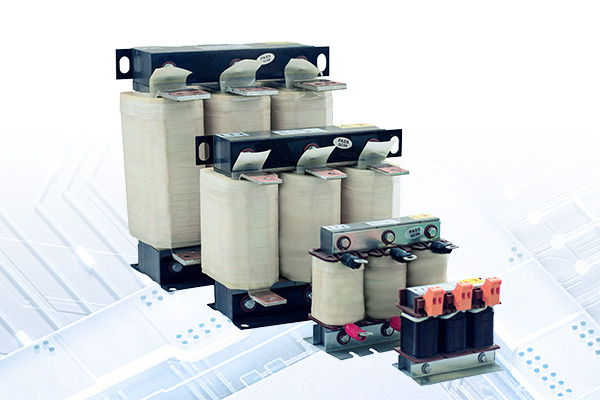
A complete industrial power system may include several types of components, each with a specific electrical function. A Resistor can dissipate electrical energy or provide current control, while a Reactor introduces inductive impedance to help manage current and power-quality issues.
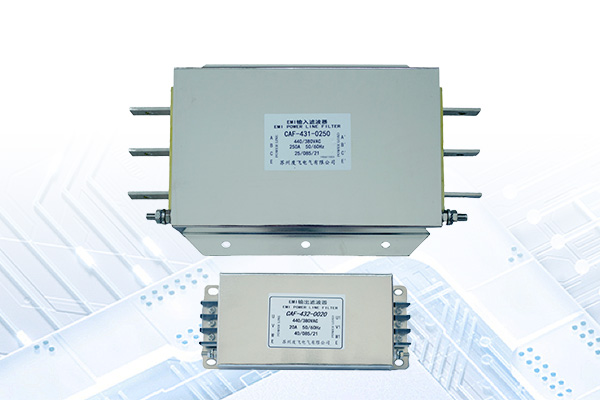
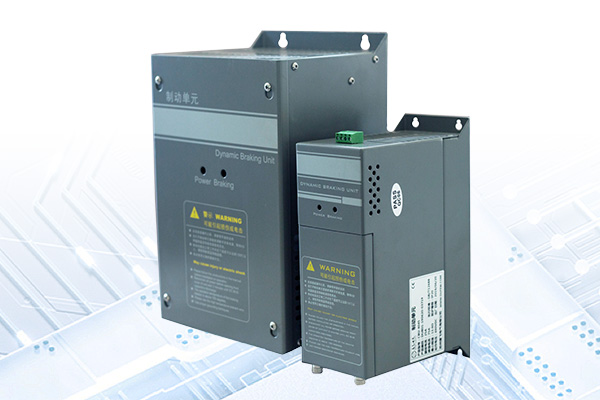
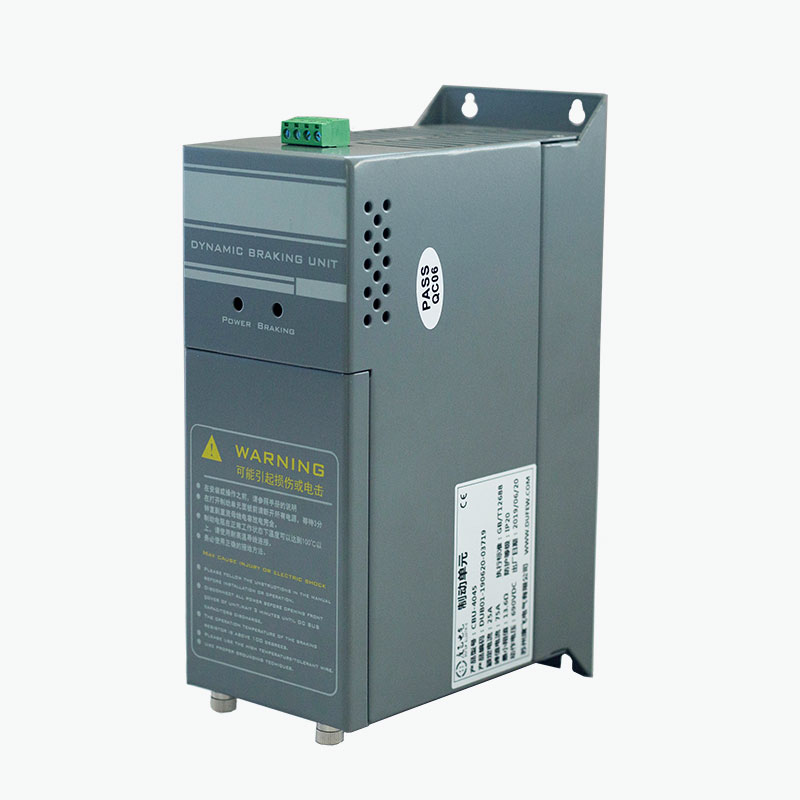
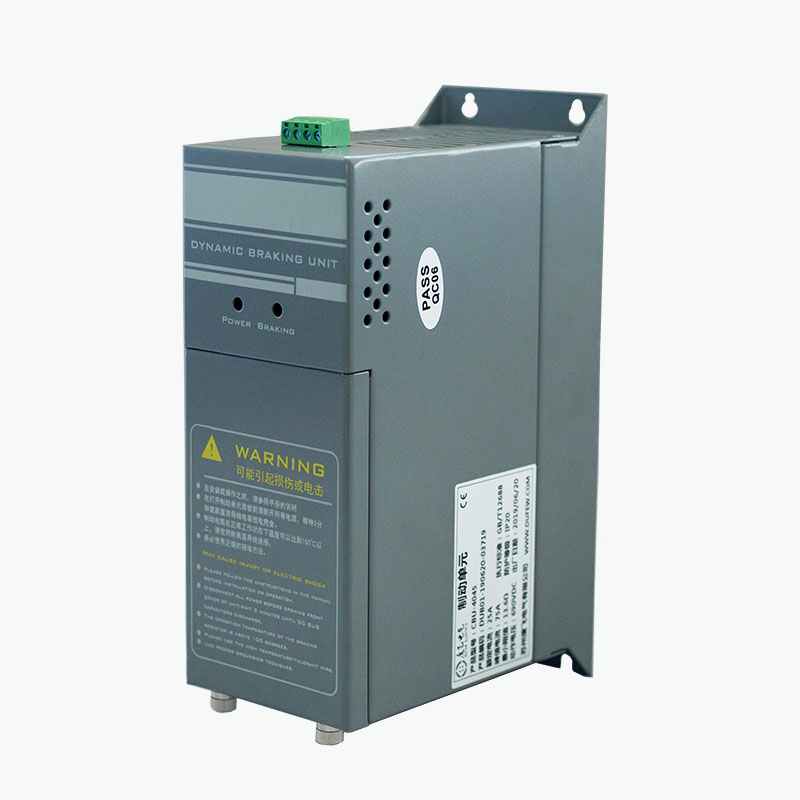
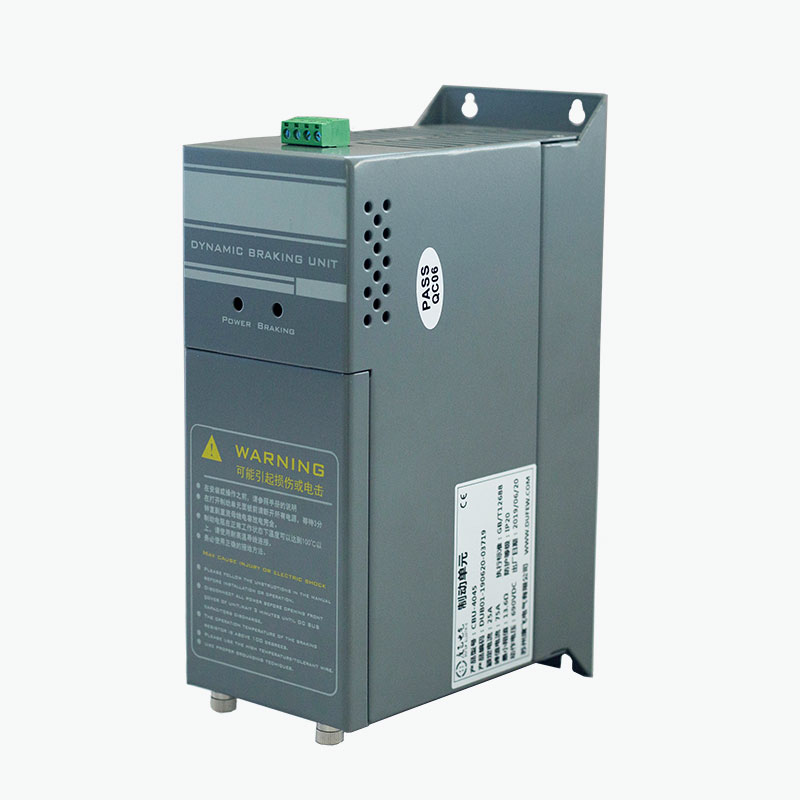
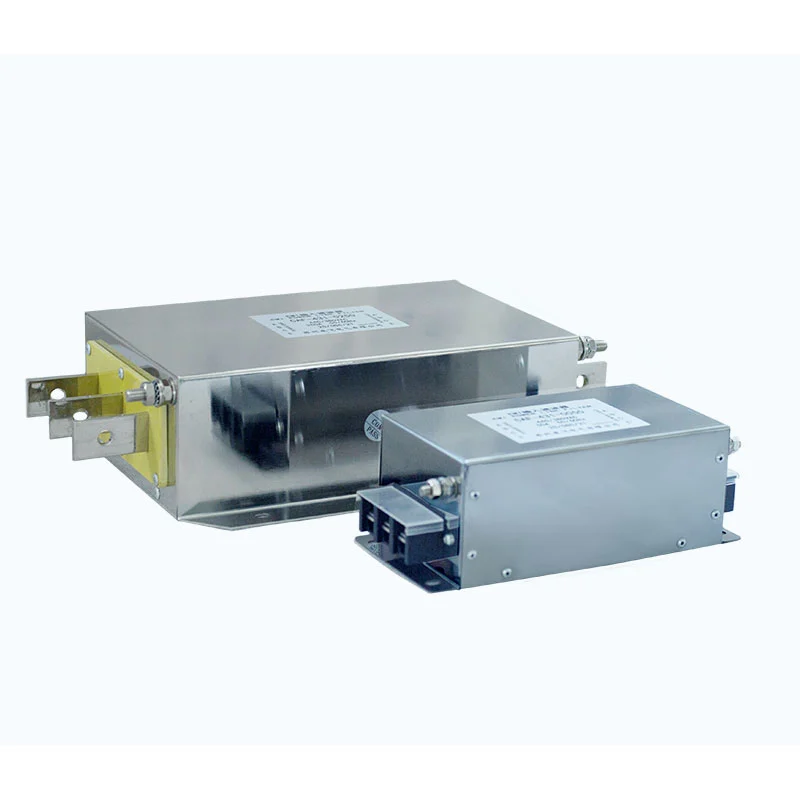
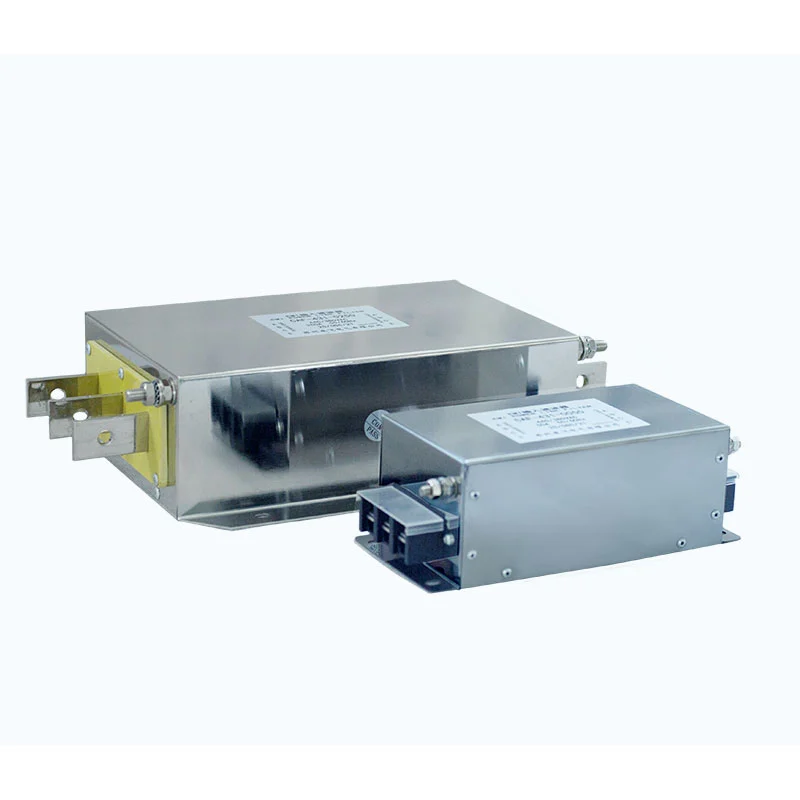
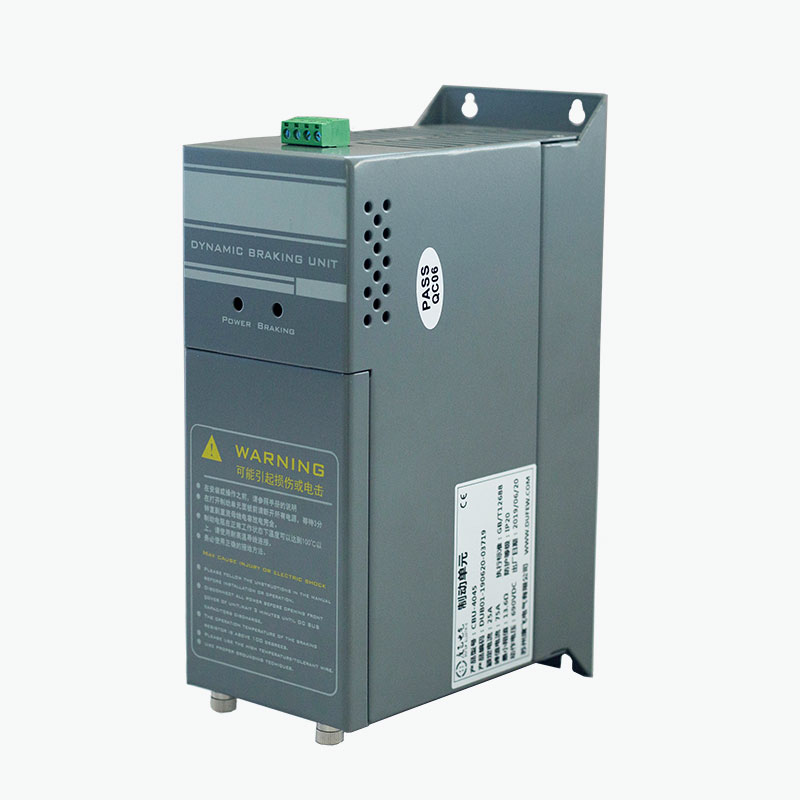
A Filter is used to reduce unwanted electrical noise, harmonics, or high-frequency components. In motor-drive systems, a Braking Unit can control the path of regenerated energy before it reaches the resistance load.
Customized Solutions from Dufew Electric
Dufew Electric develops and manufactures power electronics components for industrial electrical equipment. Its product range covers resistance products, braking units, reactors, filters, and related power-control components.
For OEM and project-based applications, specifications can be reviewed according to the required voltage, power, resistance, duty cycle, cooling method, cabinet dimensions, connections, and control arrangement. This allows the electrical configuration to be matched with the actual equipment and test conditions.
Dufew Electric is a manufacturer and supplier in China serving equipment manufacturers, distributors, system integrators, and industrial users. The company holds ISO and CE certifications for relevant products and compliance requirements.
FAQ
Q1: What equipment can be tested with a resistive load cabinet?
Common applications include generators, UPS systems, batteries, energy storage equipment, inverters, power supplies, and selected motor-drive systems. The required configuration depends on the equipment capacity and test conditions.
Q2: Can the load be adjusted during testing?
Yes. Multiple resistance sections can be designed as separate load stages, allowing the operator to select different load levels. The switching method depends on the electrical rating and control requirements.
Q3: How does operating time affect the required rating?
Longer operation produces more accumulated heat and therefore requires greater thermal capacity. Test duration, repetition frequency, cooling conditions, and ambient temperature should be considered when determining the suitable rating.
Q4: When is forced-air cooling required?
It is generally considered when the heat generated by the resistance elements exceeds what natural convection can remove effectively. The required airflow depends on the power level, enclosure design, operating time, and ambient conditions.
Q5: What information is needed for a quotation?
Useful information includes voltage, current, load power, resistance, test duration, duty cycle, load steps, installation environment, available cabinet dimensions, cooling conditions, and control requirements. The equipment model and intended test procedure can also help with technical evaluation.