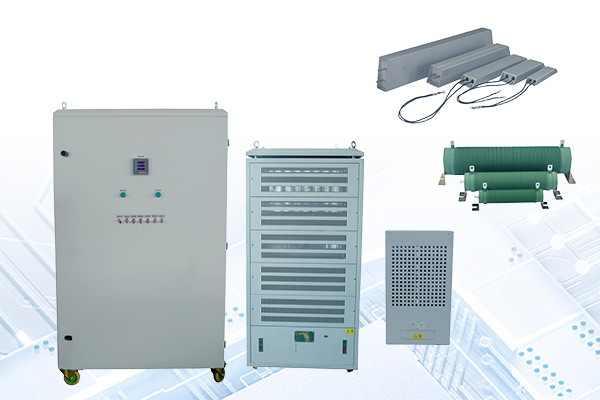
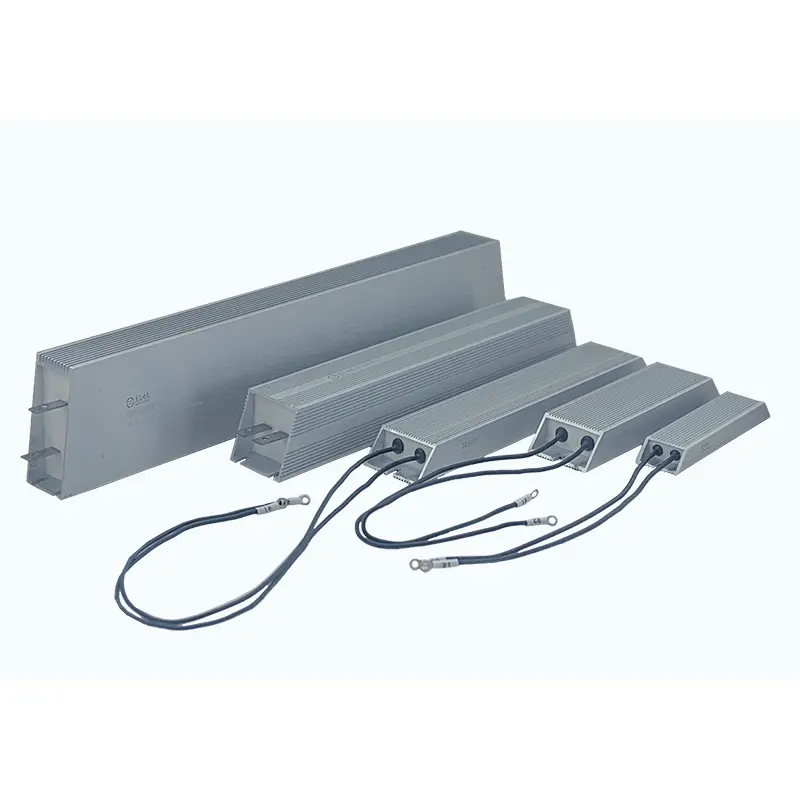
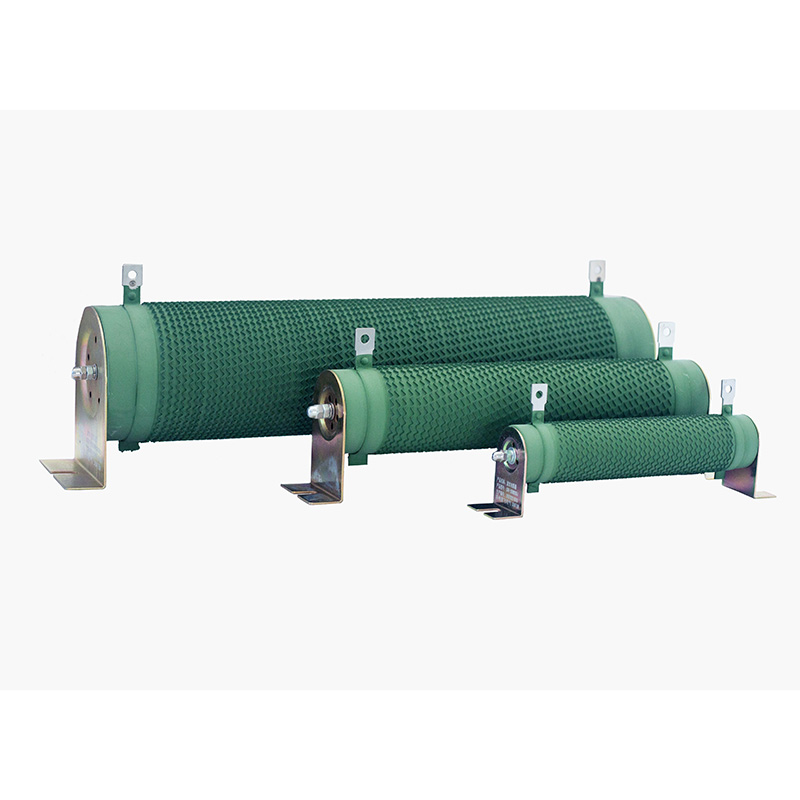
The resistor is the most fundamental passive component in electronics, yet its role is often misunderstood. Beyond simple current limiting, resistors are critical for setting bias points in transistors, creating voltage dividers for references, and terminating transmission lines to prevent reflections.
In modern high-speed digital design, resistor selection involves more than ohm value. Parasitic capacitance and inductance become significant at high frequencies. Thin-film resistors offer low noise and tight tolerance for precision analog circuits, while thick-film versions provide cost-effective solutions for general use. Pulse-handling capability is crucial in power applications—peak voltage and energy ratings matter as much as steady-state power.
Understanding the temperature coefficient (TCR) is vital for stable designs. A 100ppm/°C shift can degrade precision measurements dramatically across temperature ranges. Proper resistor selection also considers long-term drift, which affects product reliability. The humble resistor enables everything from sensor conditioning to feedback networks, proving that simplicity often conceals engineering depth.
We use cookies to offer you a better browsing experience, analyze site traffic and personalize content. By using this site, you agree to our use of cookies.Privacy Policy