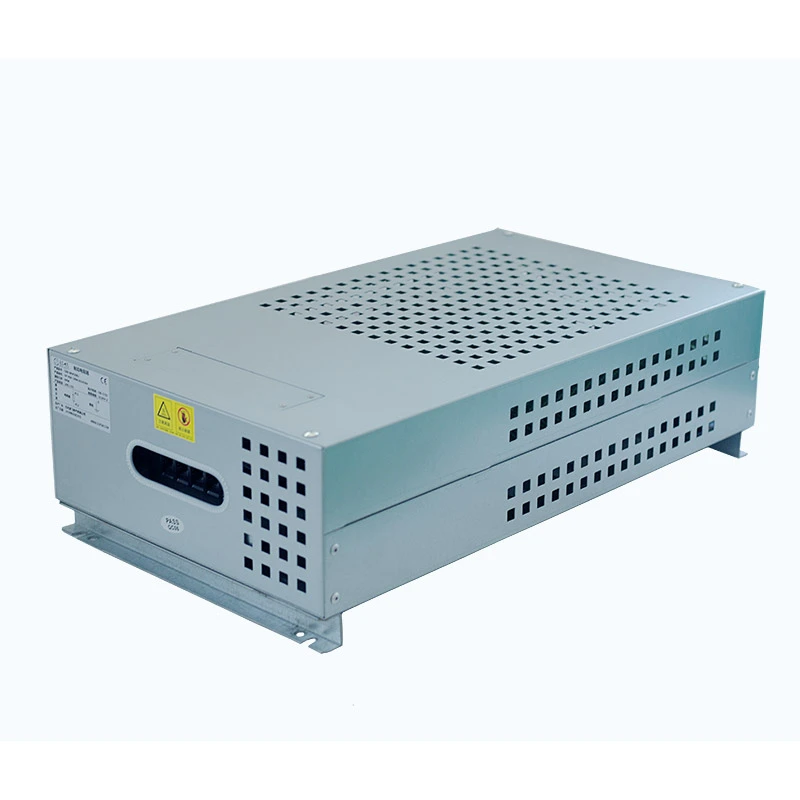
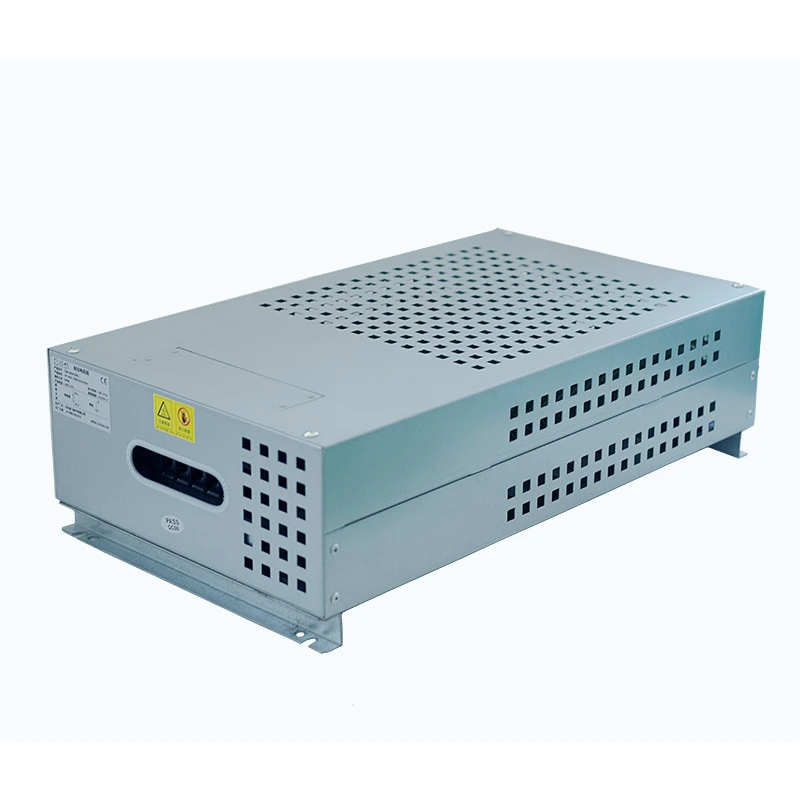
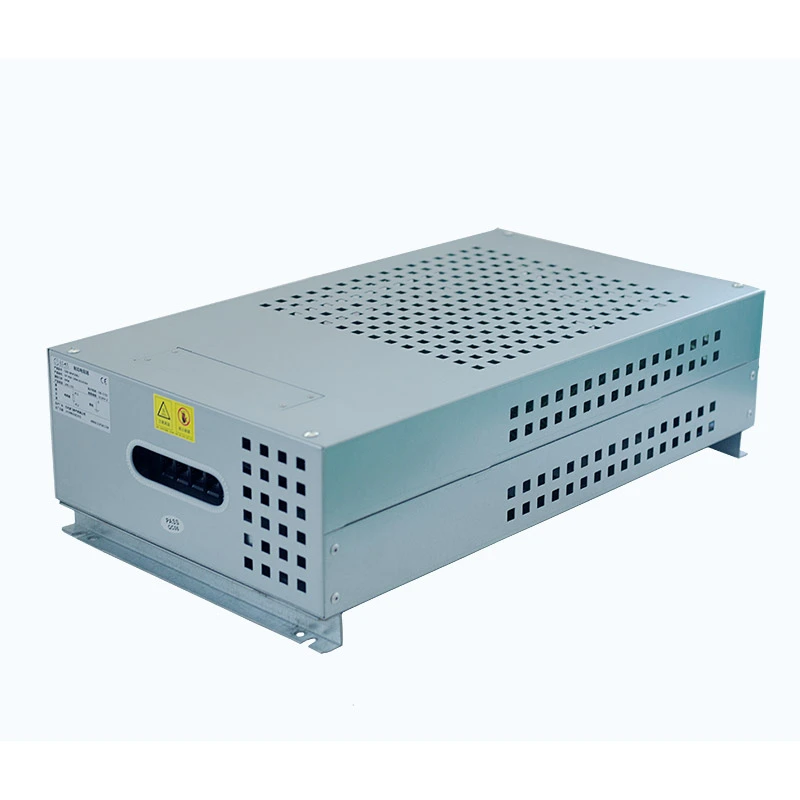
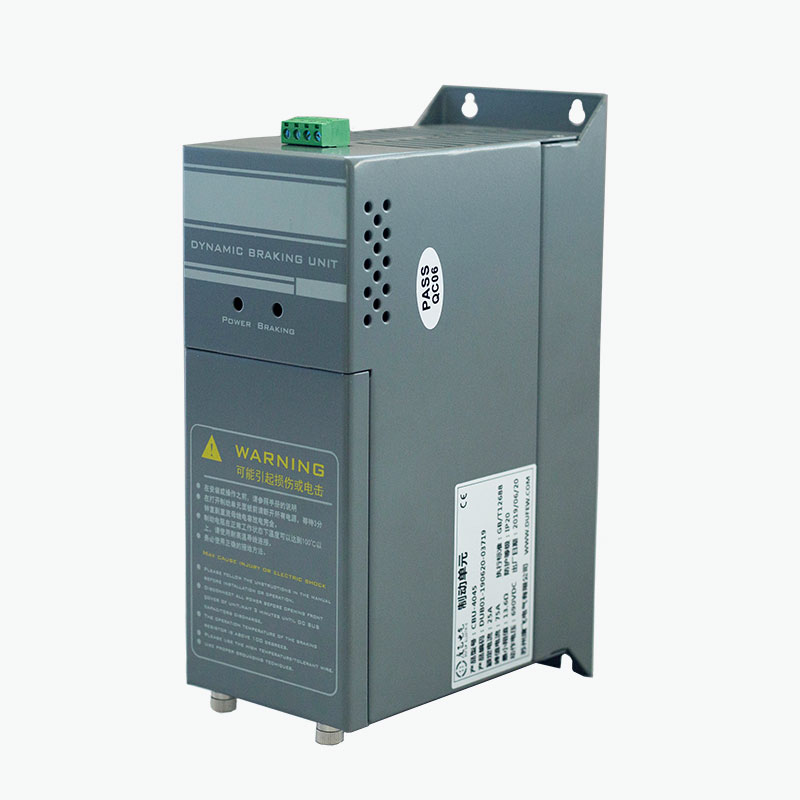
For circuit testing, the resistance value is often not fixed from the beginning. An engineer may need 10 Ω for one test, 25 Ω for another, and a higher value to check the circuit under a different condition. A Decade Resistance Box makes these changes through selectable resistance steps, so the test setup does not have to be rebuilt each time.
This type of equipment is mainly found in electrical laboratories, development departments, calibration work, and test benches. Its main advantage is simple: one unit can provide many known resistance values for repeated measurements.
Adjustable Resistance for Testing Work
A conventional resistor has a fixed value. If another value is required, the component must be replaced or another resistor must be connected.
A decade configuration works differently. Individual resistance sections are switched in or out to obtain the required value. The setting can then be changed without removing the instrument from the test circuit.
This is particularly useful when a circuit needs to be checked across a range of conditions. Instead of preparing a separate resistor for every test point, the operator can change the setting directly.
Where Is It Commonly Used?
Circuit Development
During prototype development, engineers may not know the final resistance value until the circuit has been tested. Adjustable resistance allows different values to be compared before the final component is selected.
Instrument Calibration
Known resistance values can be introduced into a measurement circuit to check whether an instrument gives the expected reading. Accuracy, stability, and the specified resistance range become important here.
Electrical Troubleshooting
When a circuit does not behave as expected, changing resistance in controlled increments can reveal how current, voltage, or control signals respond. This can make fault investigation more systematic.
Test Bench Applications
Production and engineering test benches sometimes require several predefined resistance conditions. A selectable unit can reduce setup changes when the same test is repeated on different equipment.
What Should Be Checked Before Selection?
The resistance range is only the starting point. The electrical conditions of the test determine whether a particular configuration is appropriate.
|
Specification
|
Why It Matters
|
|
Resistance Range
|
Defines the lowest and highest values that can be selected.
|
|
Step Value
|
Determines how finely the resistance can be adjusted.
|
|
Accuracy
|
Shows how closely the actual resistance corresponds to the selected value.
|
|
Maximum Current
|
Limits the current that can safely pass through the selected resistance.
|
|
Power Rating
|
Determines the amount of heat that can be dissipated during operation.
|
|
Temperature Coefficient
|
Indicates how much the resistance changes with temperature.
|
Range Is Not the Same as Resolution
These two specifications are sometimes confused.
The range tells you how far the resistance can be adjusted. Resolution tells you how small each adjustment can be. A unit covering a very large range may still be unsuitable if the required test depends on small changes around a particular resistance value.
For example, if the test requires values close to 100 Ω to be compared in small increments, the available steps around that point matter more than simply having a very high maximum resistance.
Pay Attention to Current and Test Duration
Resistance generates heat when current passes through it. This makes current rating an important consideration, especially when the equipment is connected to a power circuit rather than a low-current measurement circuit.
The duration of the test also matters. A resistance value that can withstand a short measurement may not be intended for continuous loading. Repeated tests can produce additional heat even when each individual test is relatively brief.
For this reason, the required resistance, current, voltage, test duration, and repetition rate should be considered together when confirming a specification.
When a Different Resistor Type Makes More Sense
An adjustable test instrument is not a substitute for every resistance application.
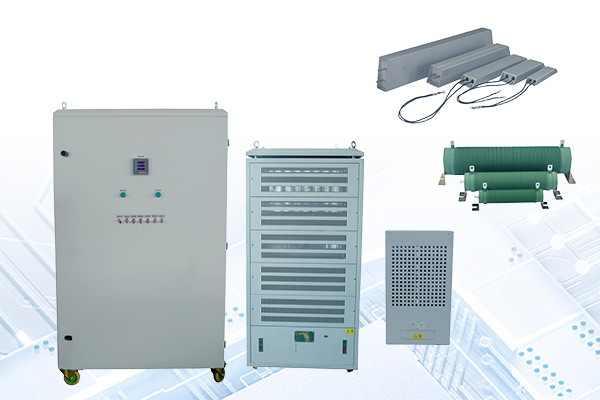
For a fixed resistance used for power dissipation or braking, a Wirewound Resistor is often a more appropriate choice. Where the design calls for a compact metal-clad construction with direct heat transfer to the housing, an Aluminum Clad Resistor may be considered.
High-power testing is another case. A Load Resistor Cabinet is designed around larger energy and heat loads and can incorporate multiple resistance elements in one enclosure.
The difference is mainly in the job being performed. One is intended for changing test values; the others are designed to handle a defined electrical load.
For OEM and Customized Test Equipment
Some test systems require a particular resistance sequence rather than a general-purpose range. The number of steps, resistance values, current capacity, terminal arrangement, enclosure dimensions, and control method can all affect the final configuration.
Dufew Electric can review these requirements for OEM projects and application-specific test equipment. Providing the test circuit, required resistance values, operating current, voltage, and test cycle gives the engineering team a clearer basis for determining the configuration.
Dufew Electric Manufacturing Information
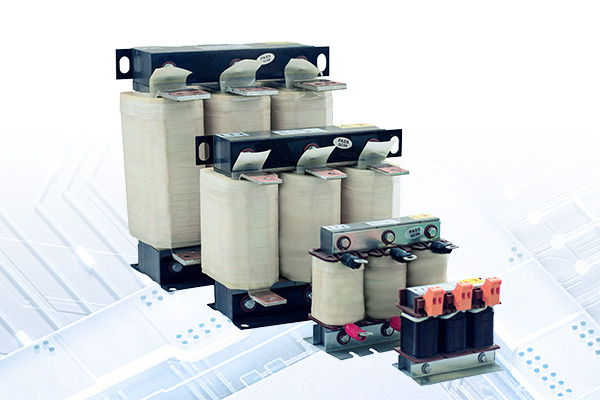
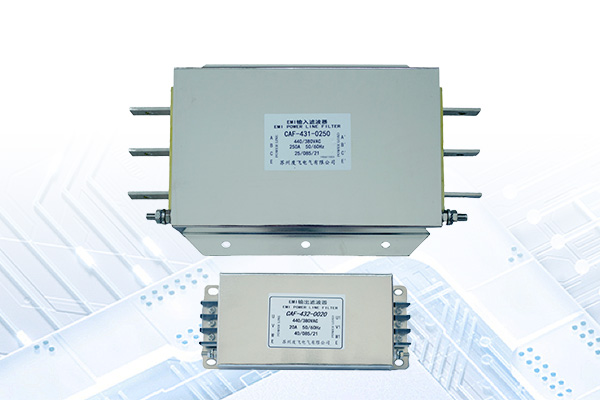
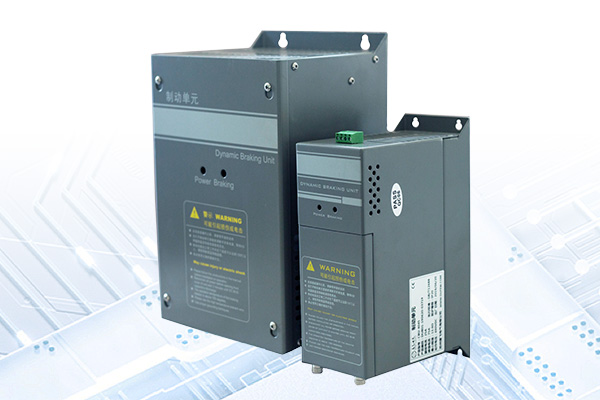
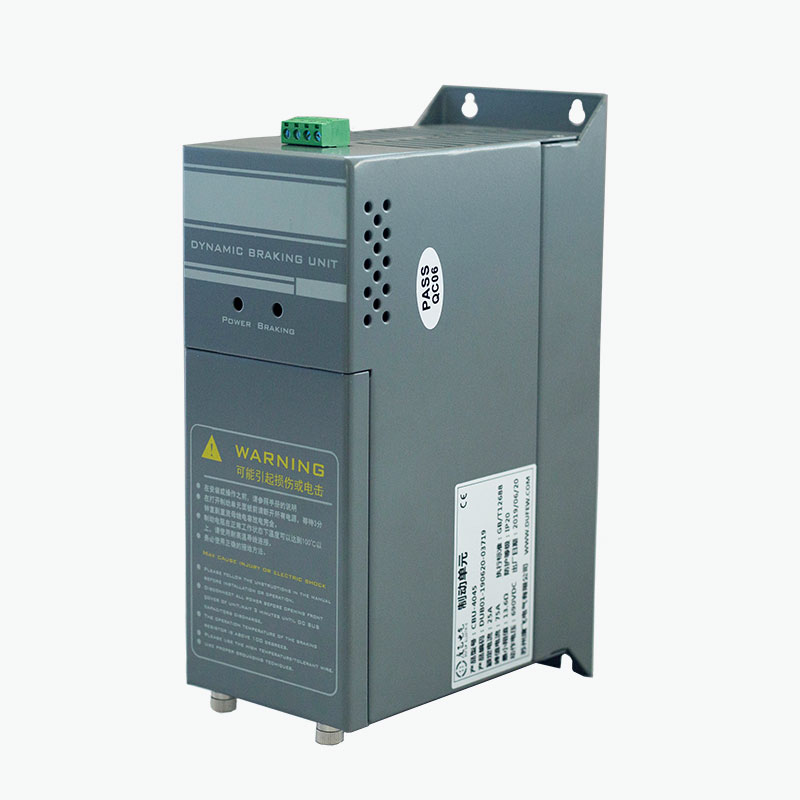
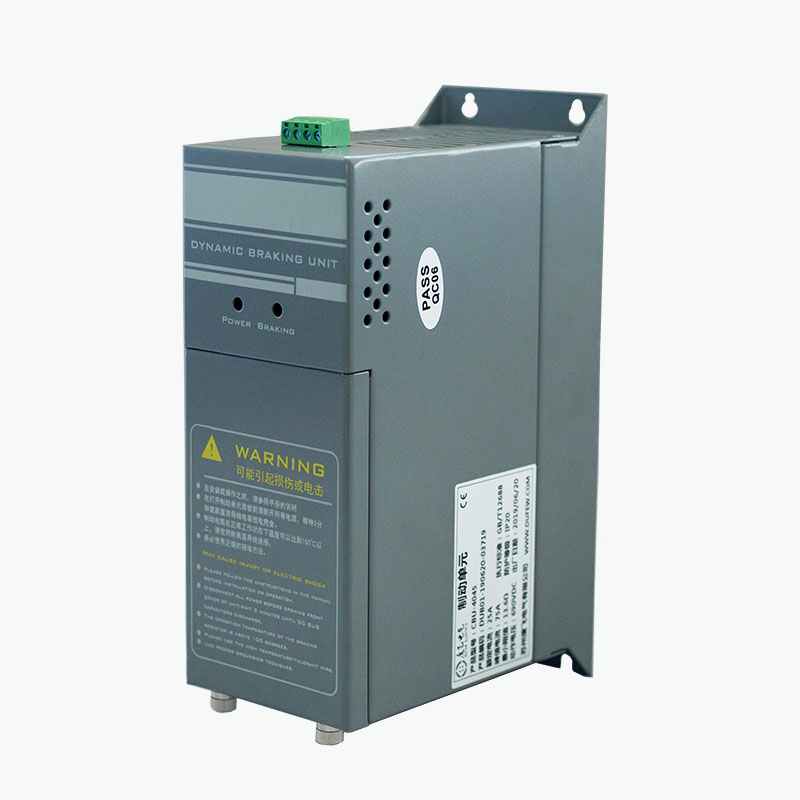
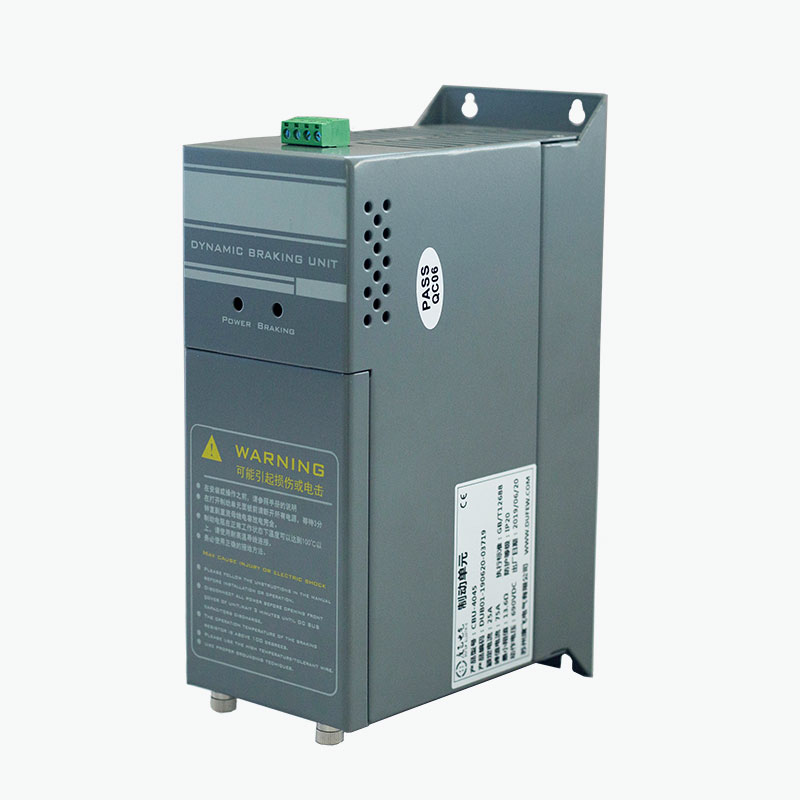
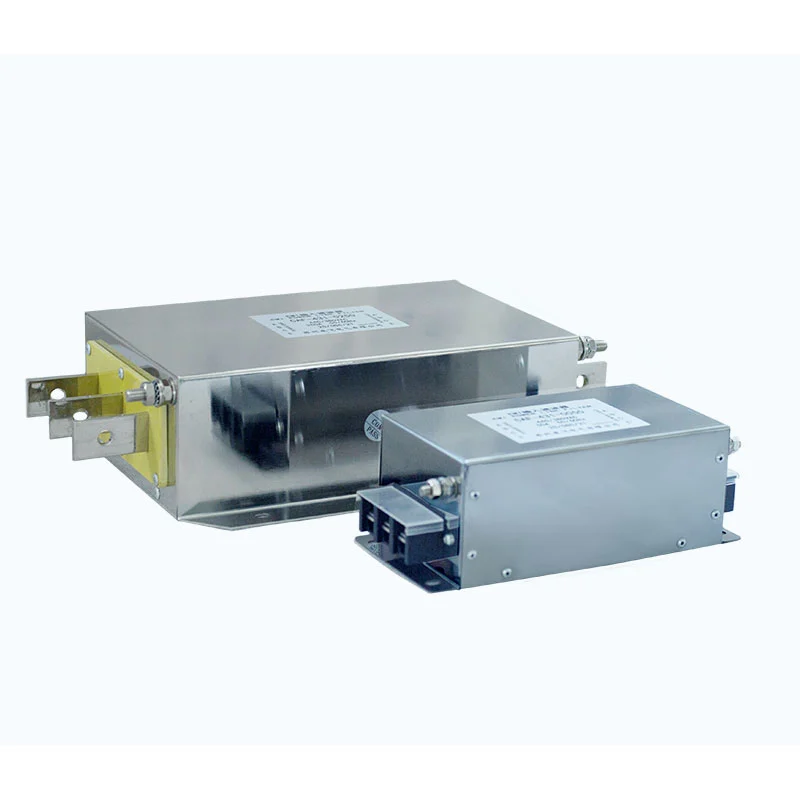
Dufew Electric is a power electronics manufacturer in China producing resistance products and related components for industrial electrical applications. Its product range also covers braking units, reactors, and filters.
The company works with equipment manufacturers, distributors, system integrators, and industrial customers. ISO and CE certifications are available for the relevant products and quality requirements.
FAQ
Q1: What is a Decade Resistance Box used for?
It is used when a test circuit needs different known resistance values without changing individual resistors. Typical work includes circuit development, calibration, troubleshooting, and laboratory testing.
Q2: Does a wider resistance range always mean a better unit?
No. The range should cover the values required by the test, while the adjustment steps should be fine enough for the measurements being performed.
Q3: Can it be connected directly to a high-power circuit?
Only when its current and power ratings allow it. The resistance value alone does not determine whether the unit can handle a particular electrical load.
Q4: What information should be provided when requesting a quotation?
The most useful information includes resistance range, step value, required accuracy, voltage, current, test duration, duty cycle, dimensions, connection method, and quantity. A circuit diagram or description of the test procedure can also be helpful.
Q5: How is it different from a fixed power resistor?
A selectable resistance instrument is intended primarily for testing and adjustment. A fixed power resistor is normally chosen when the resistance value has already been determined and the component needs to operate continuously or under a defined load.