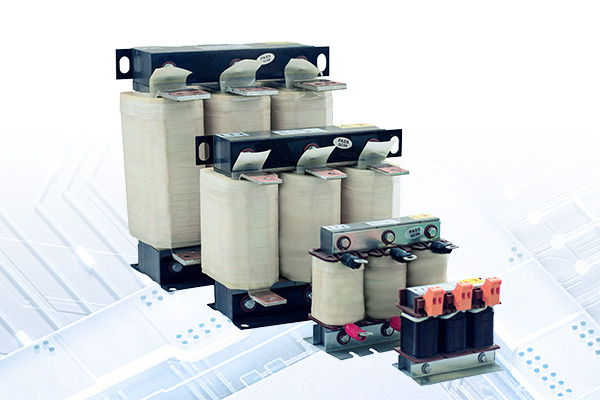
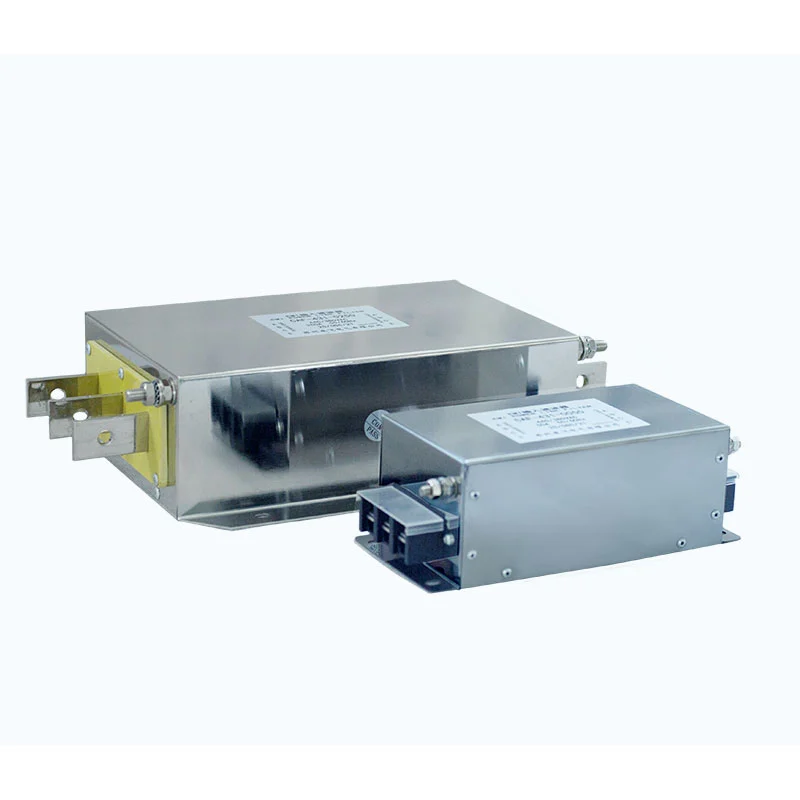
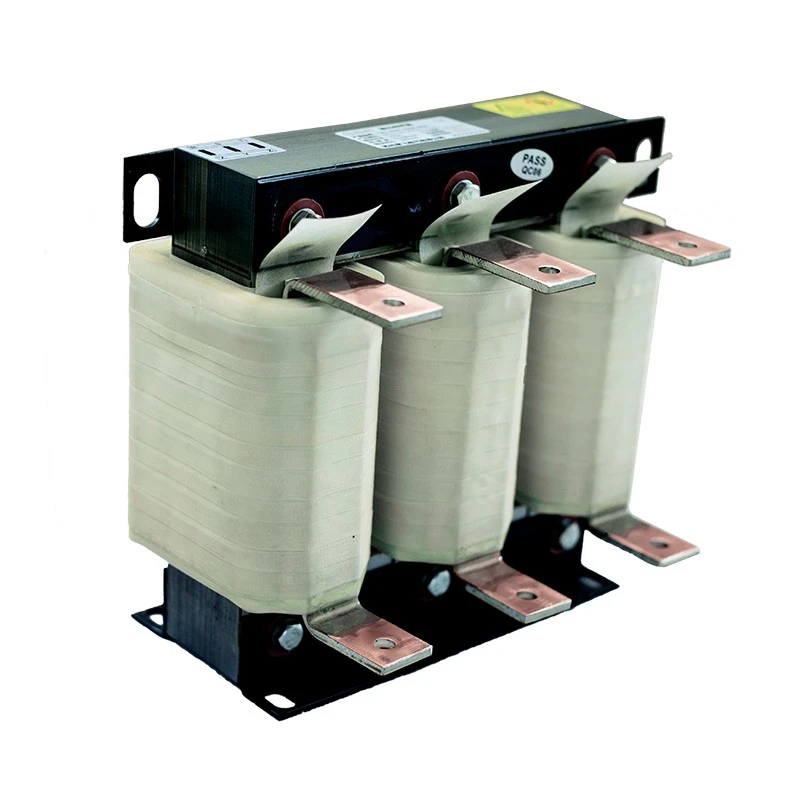
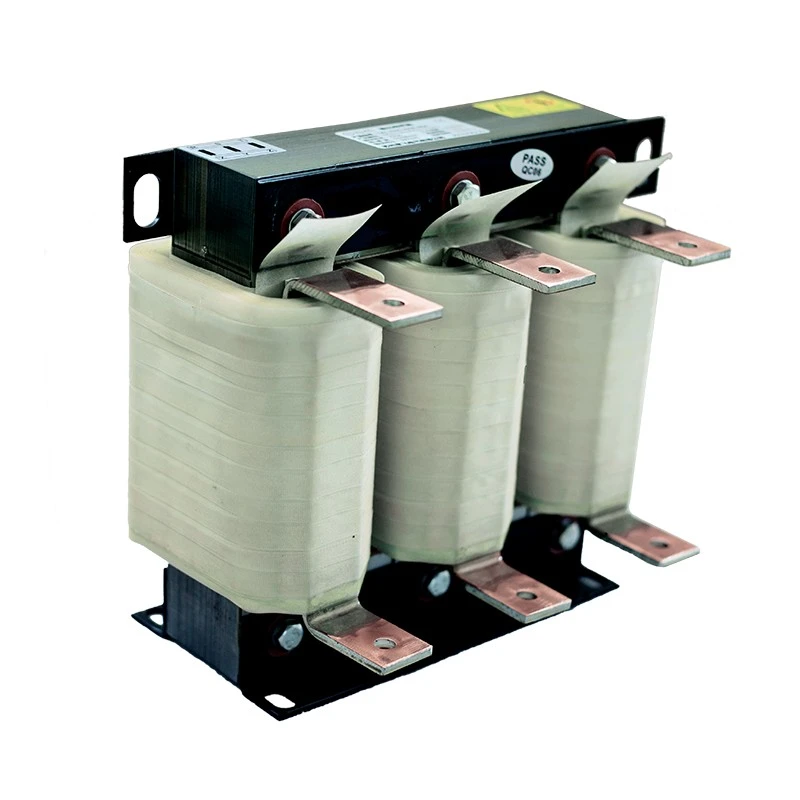
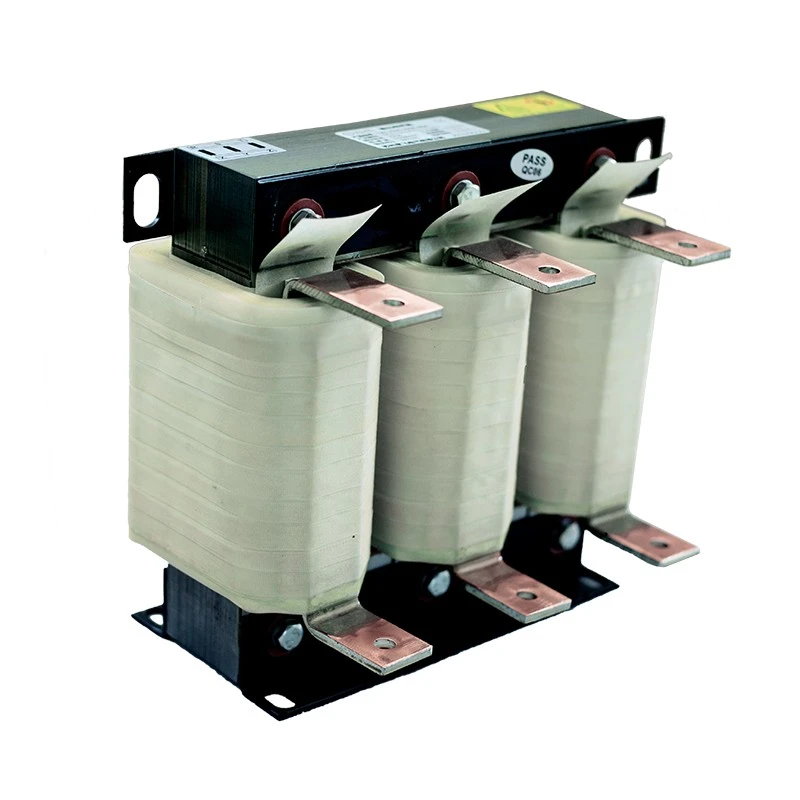
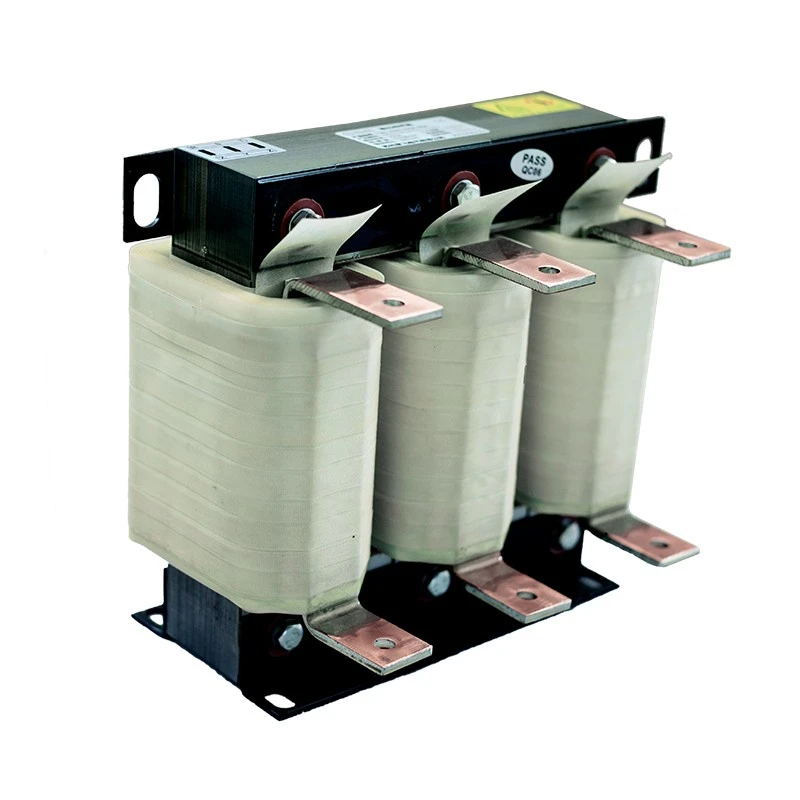
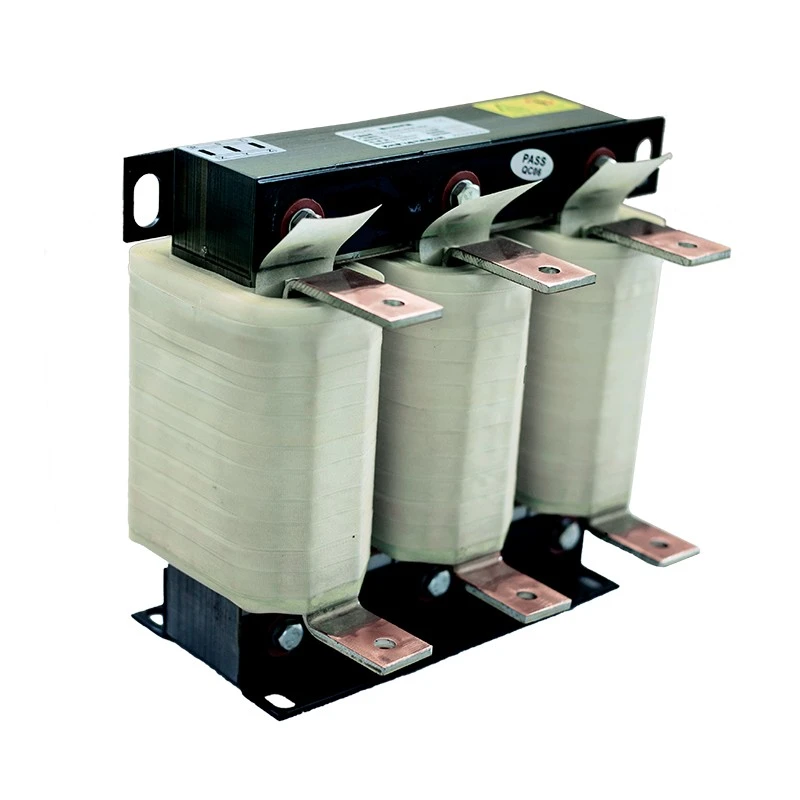
For variable frequency drives and industrial motor systems, adding controlled inductance to the power circuit can help manage current fluctuations, voltage disturbances, and switching-related electrical stress. Dufew Electric develops and manufactures AC Reactor solutions for different drive configurations, with specifications selected according to voltage, current, frequency, impedance, installation position, and operating conditions.
The installation point is important. A unit placed before the drive addresses different electrical conditions from one installed between the drive and motor. Understanding this difference makes selection more accurate and avoids using an unsuitable configuration simply because its electrical rating appears sufficient.
Where Is It Installed?
In industrial motor systems, there are two common positions: the incoming power side and the motor output side. Each has a different purpose.
Input-Side Application
Installed between the power supply and a VFD, this configuration adds impedance to the incoming circuit. It can help limit current peaks and reduce the effect of supply-side disturbances on the drive.
It is often considered in facilities with multiple drives, fluctuating supply conditions, or equipment that is sensitive to electrical disturbances. The actual requirement depends on the characteristics of the power network and drive installation.
Motor-Side Application
Placed between a VFD and its motor, the component works with the drive's PWM output. Rapid voltage transitions can become more significant when the motor is connected through a long cable.
The added inductance helps moderate these transitions before they reach the motor. This can be useful where cable distance, motor insulation, electrical noise, or operating conditions create additional stress.
What Problems Can It Help Address?
The purpose is not simply to add another component to the drive circuit. It is to manage specific electrical conditions.
|
System Condition
|
Potential Function
|
|
Current peaks
|
Limits rapid changes in current
|
|
Supply disturbances
|
Reduces the impact of disturbances reaching the drive
|
|
Fast voltage transitions
|
Moderates switching-related electrical stress
|
|
Long motor cables
|
Helps control effects associated with cable transmission
|
|
Power-quality concerns
|
Adds impedance to support more controlled current behavior
|
The expected result depends on the complete system. A suitable design can reduce electrical stress and help the drive operate under more predictable conditions, but it should not be treated as a universal solution for every power-quality problem.
How to Select the Appropriate Specification
Motor power provides only a starting point. Electrical and mechanical conditions should be reviewed together.
Important information includes rated voltage, operating current, frequency, impedance, installation position, drive capacity, motor characteristics, cable length, ambient temperature, and available mounting space. For input-side use, the supply condition is particularly important. For motor-side use, the drive output and cable arrangement deserve closer attention.
Impedance is another key consideration. A higher value provides greater inductive opposition but also introduces a larger voltage drop. The appropriate specification therefore needs to balance electrical performance with the operating requirements of the drive.
Typical Industrial Applications
This type of component is commonly found around variable-speed motor equipment, including pumps, fans, compressors, conveyors, HVAC systems, machine tools, elevators, and industrial automation machinery.
The requirements vary from one installation to another. A pump running under relatively stable conditions may have very different needs from a crane with frequent load changes or a production line using multiple drives.
That is why application data is more useful than selecting a model from motor power alone.
Related Power Electronics Components
The electrical components used around a drive system have different jobs and should not be treated as interchangeable.
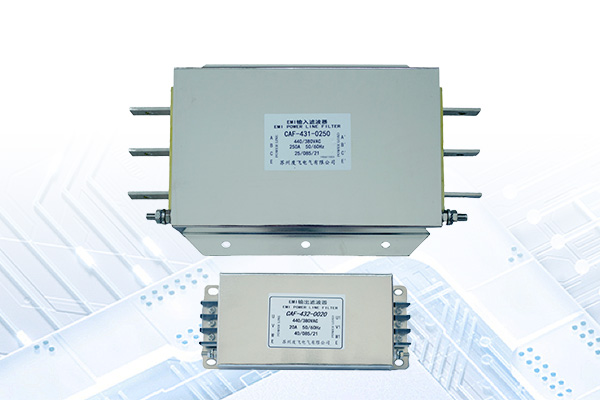
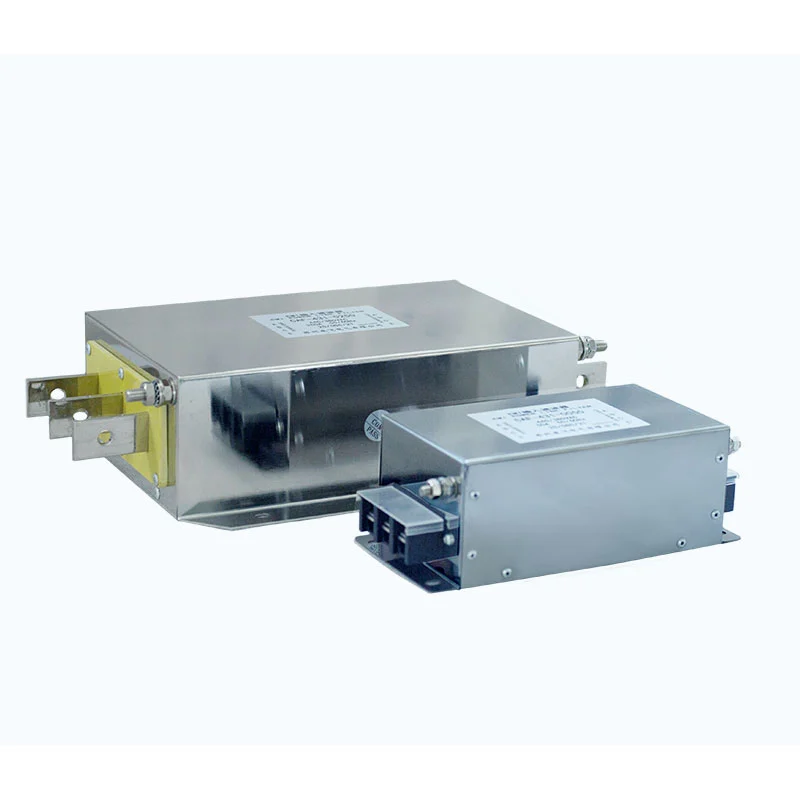
A DC Reactor works in the DC link and is selected according to the characteristics of that section of the drive. A Filter is designed to attenuate unwanted frequency components, conducted noise, or harmonics according to its construction and position.
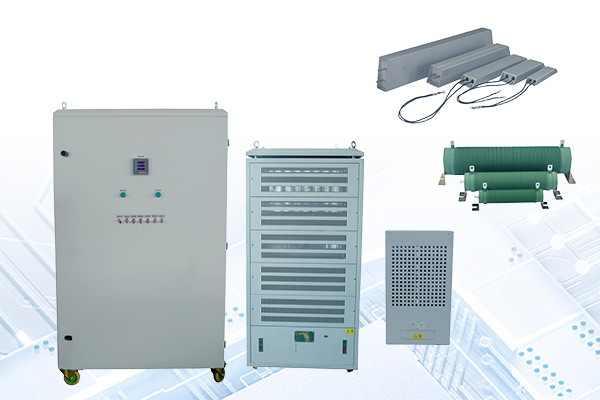
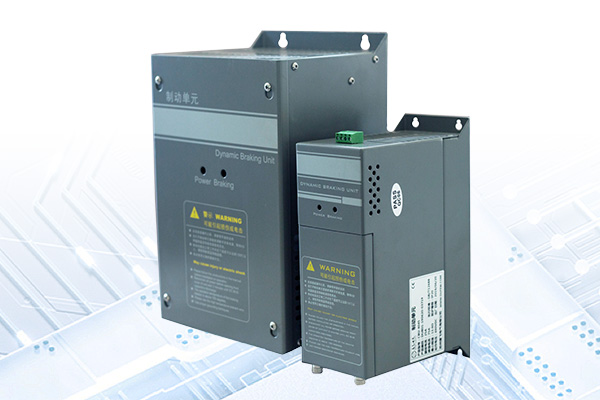
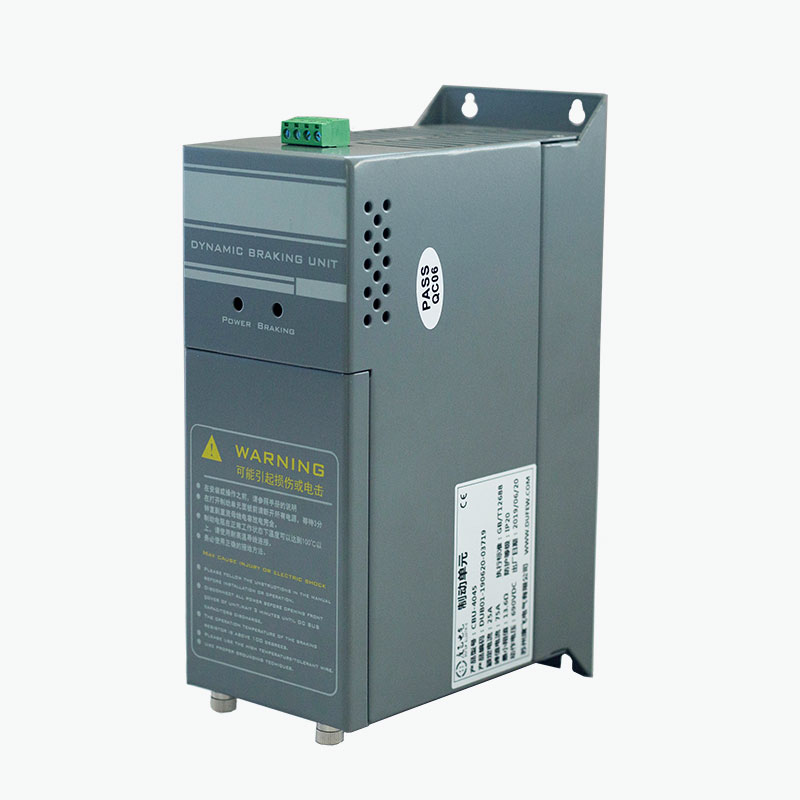
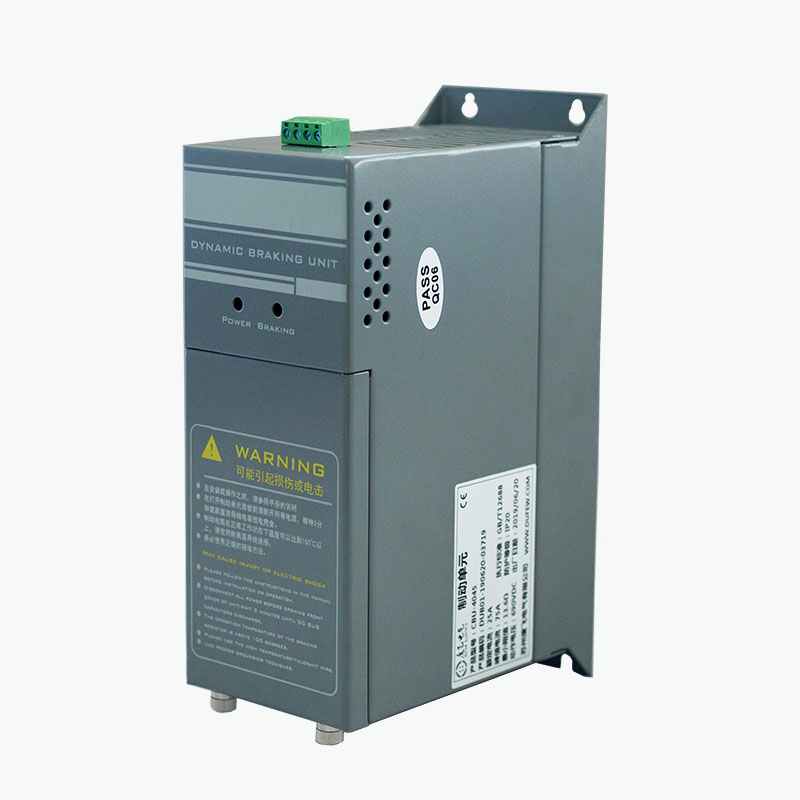
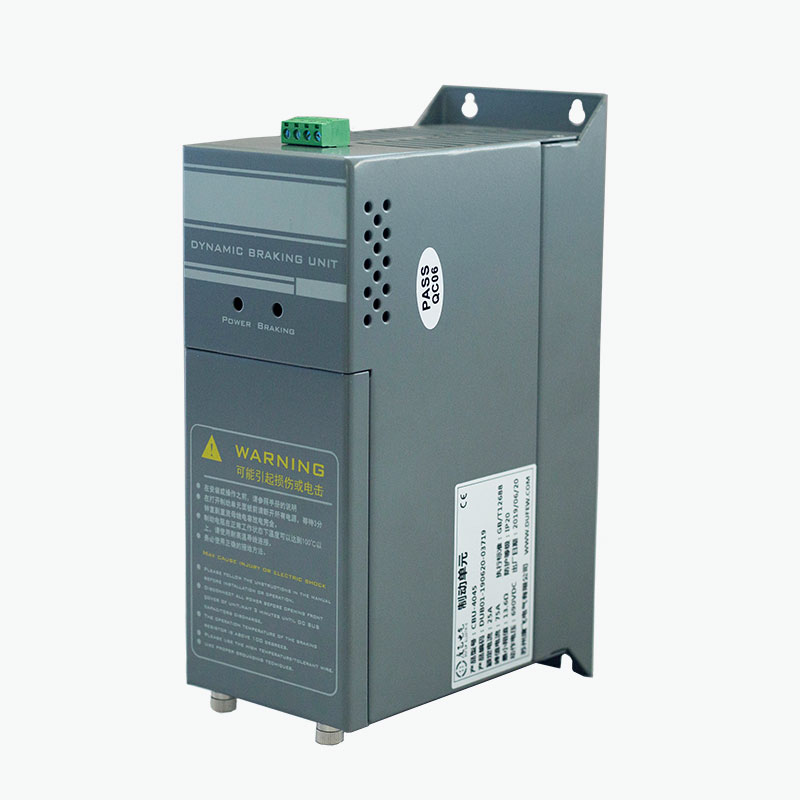
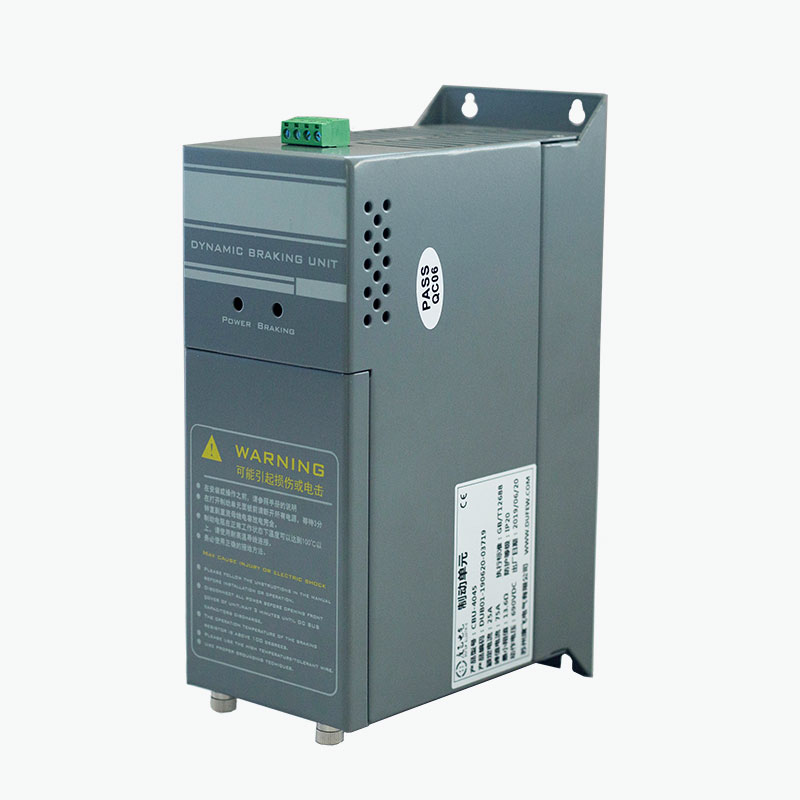
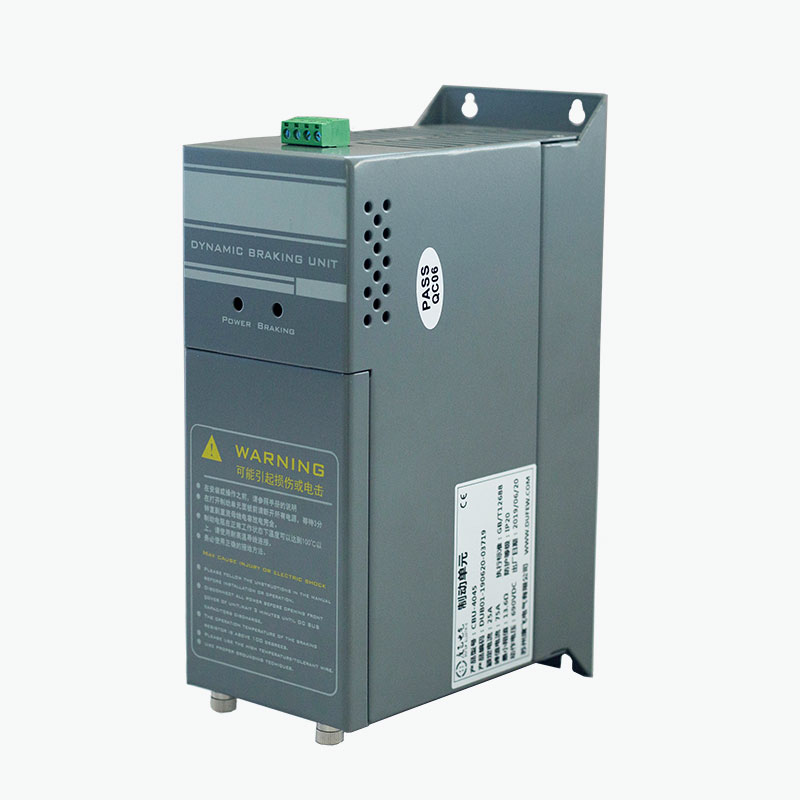
A Resistor is mainly used for current control or energy dissipation. A Braking Unit, together with the appropriate energy-absorbing element, handles regenerated energy during motor deceleration.
These products may be used within the same electrical system, but each addresses a different requirement.
Engineering and Custom Configuration
Industrial projects do not always fit standard dimensions or ratings. Voltage level, current capacity, impedance, terminal arrangement, enclosure size, cooling conditions, and installation method may all need to be adapted.
Dufew Electric can review these parameters for OEM and system-integration projects before production. Technical information such as the drive model, motor rating, cable length, supply voltage, operating current, and installation conditions helps determine a suitable configuration.
The company manufactures power electronics components for industrial equipment and supports customers requiring project-specific electrical and mechanical specifications.
Dufew Electric for Industrial Power Components
Dufew Electric is a China-based manufacturer and supplier of power electronics components, serving equipment manufacturers, distributors, system integrators, and industrial users.
Its product range covers resistive, inductive, filtering, and braking applications. Manufacturing is supported by standardized processes and quality inspection, with ISO and CE certifications available for relevant products and requirements.
For customers purchasing electrical components for a new machine, replacement project, or complete drive system, providing the actual operating parameters allows the technical team to evaluate the specification more accurately.
FAQ
Q1: What is the main function of this component in a VFD system?
It adds inductive impedance to the circuit and helps limit rapid changes in current. Its specific effect depends on whether it is installed on the supply side or between the drive and motor.
Q2: Is an input-side unit the same as an output-side unit?
No. Their installation positions and electrical duties are different. The former deals mainly with conditions on the incoming supply, while the latter is associated with the drive-to-motor circuit and switching waveform.
Q3: Is it necessary for every variable frequency drive?
No. The requirement depends on the supply network, drive design, motor, cable length, operating conditions, and applicable electrical requirements. Some installations may operate satisfactorily without an additional inductive component.
Q4: Why does motor cable length matter?
Long motor cables can affect the behavior of fast switching pulses and may increase voltage stress at the motor terminals. An appropriately selected output-side configuration can help moderate these effects.
Q5: What information is needed for a quotation?
Useful details include voltage, current, frequency, drive capacity, motor power, installation position, required impedance, cable length, ambient temperature, dimensions, and quantity. The application and operating cycle should also be provided when available.