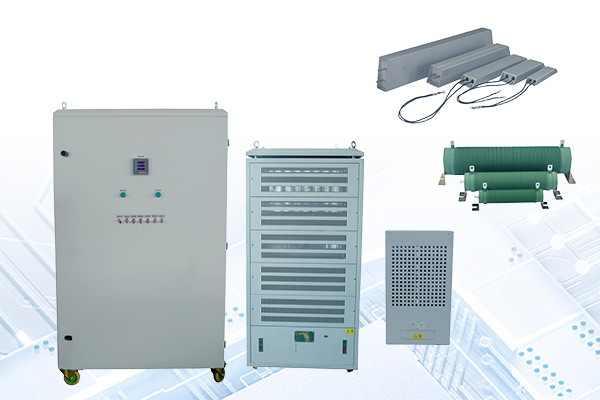
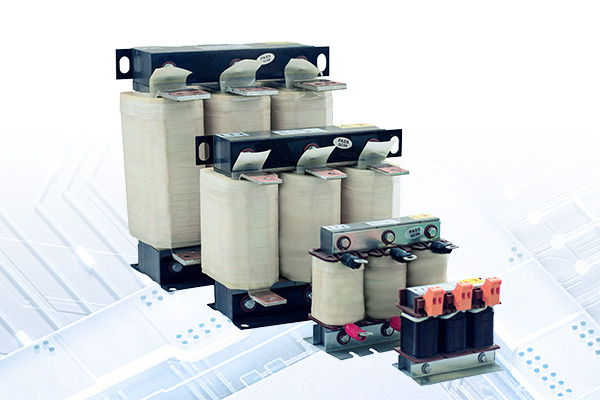
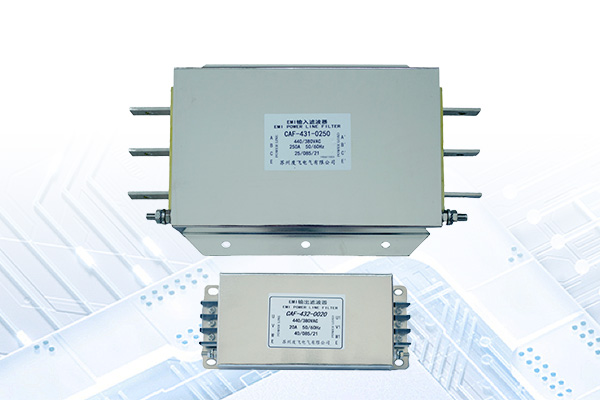
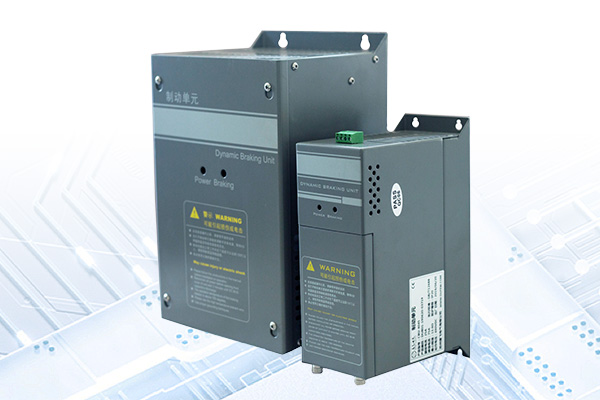
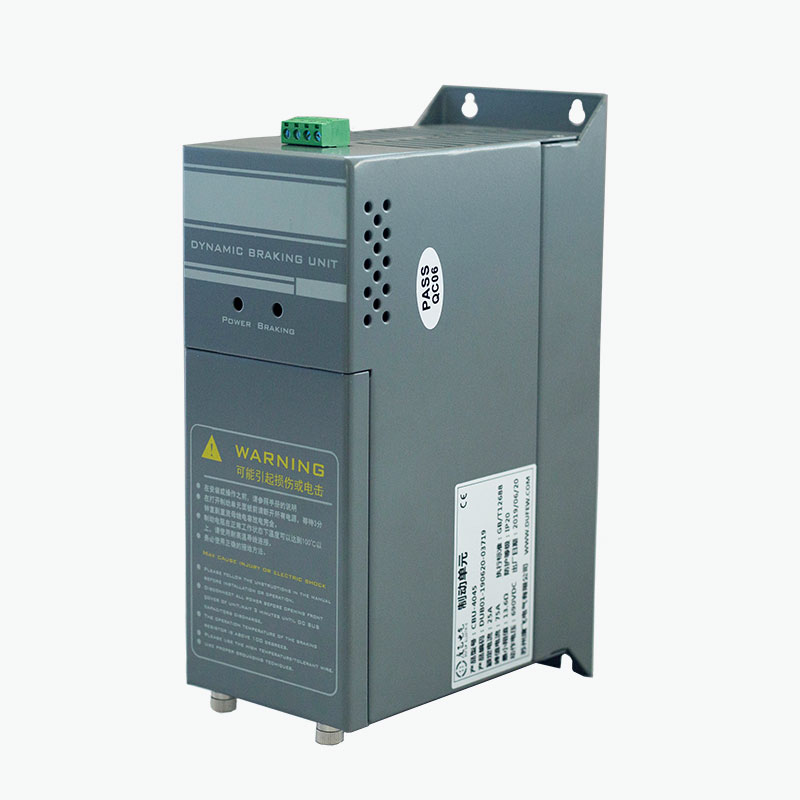
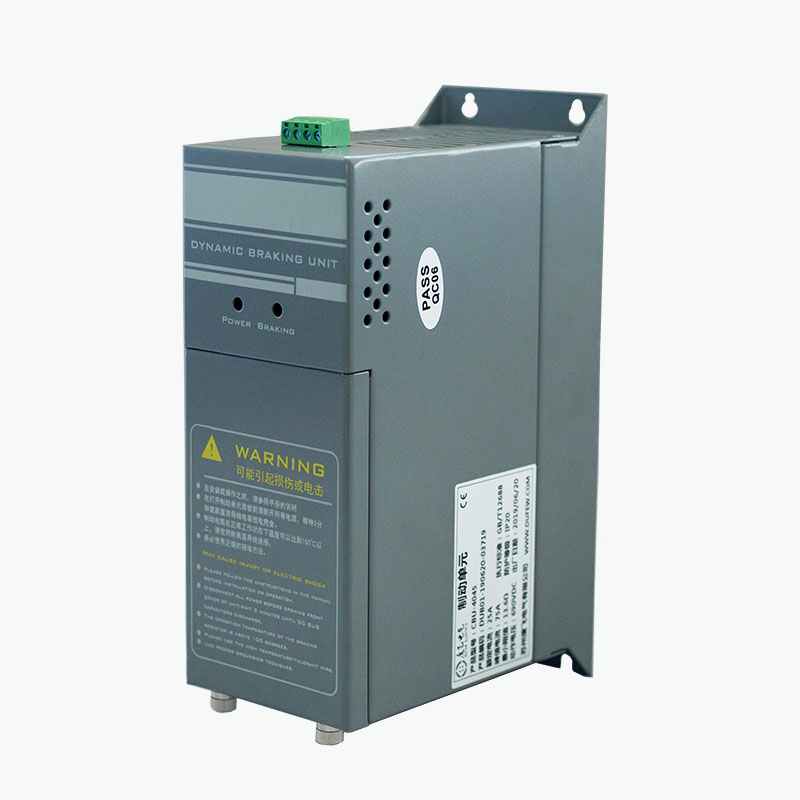
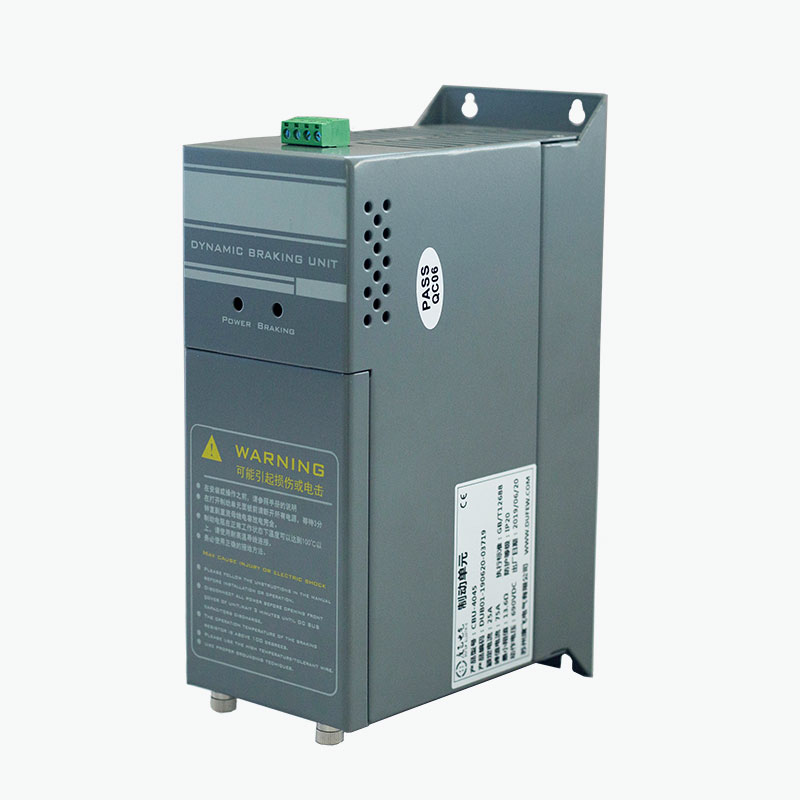
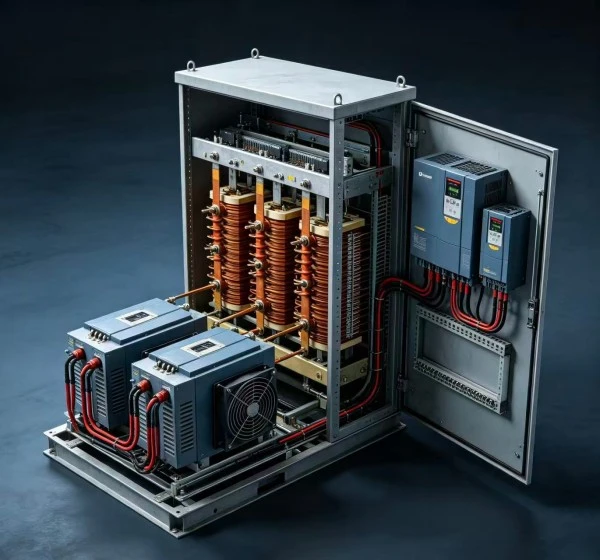
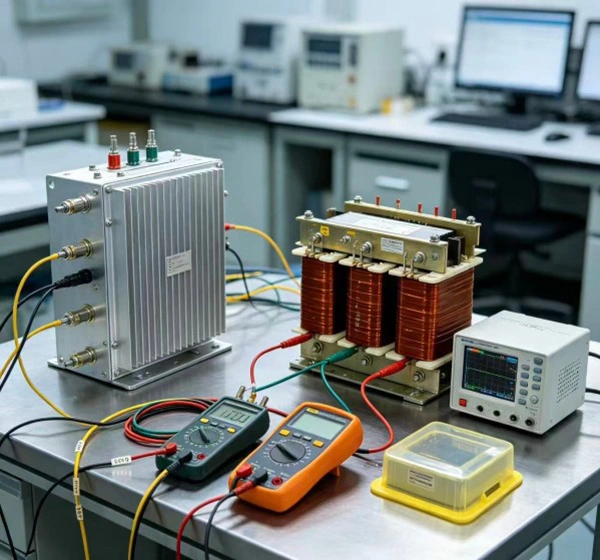
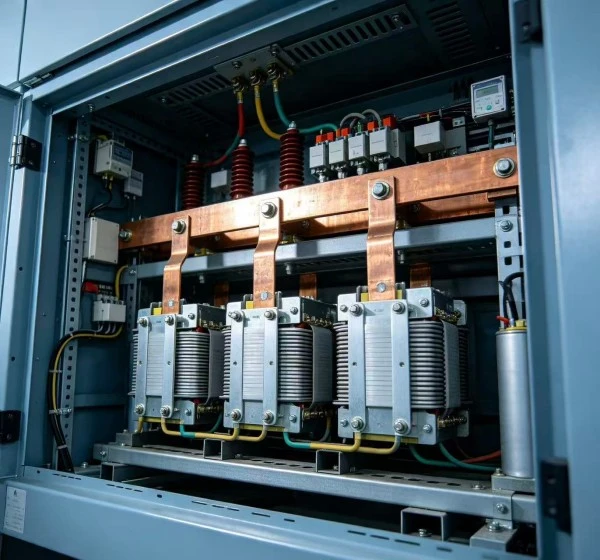
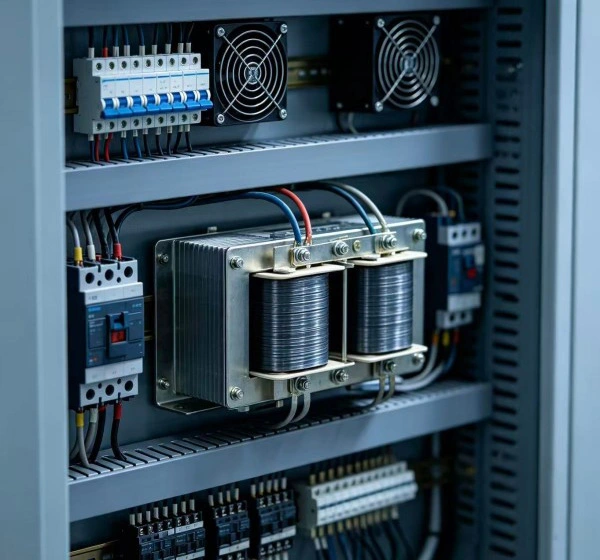
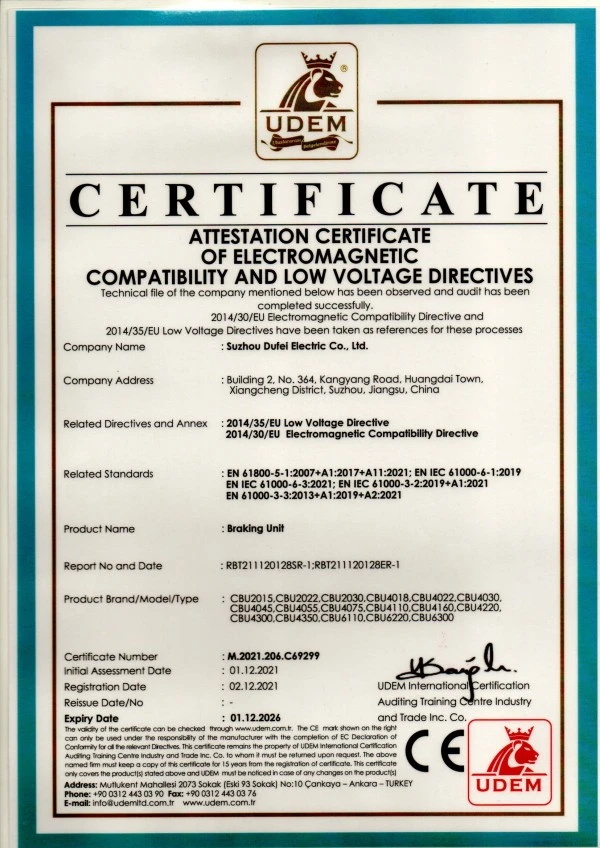
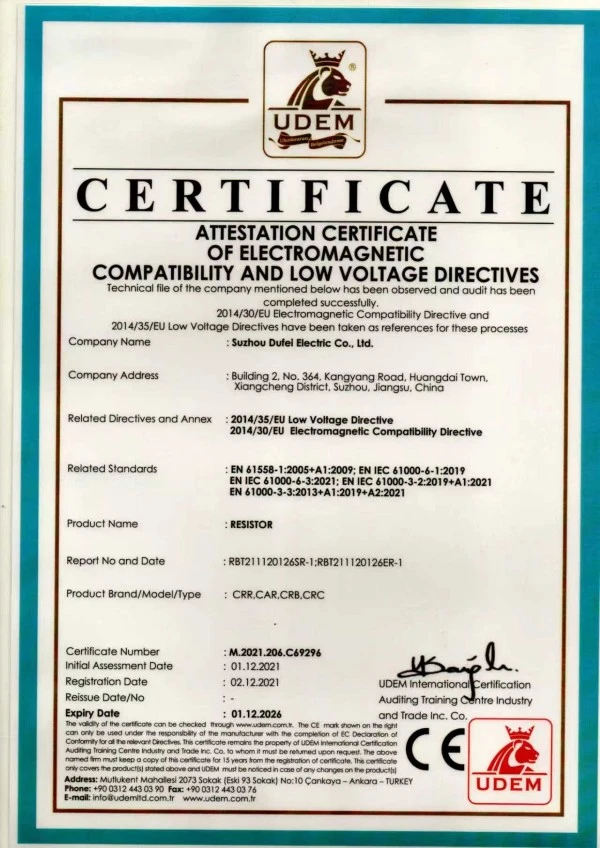
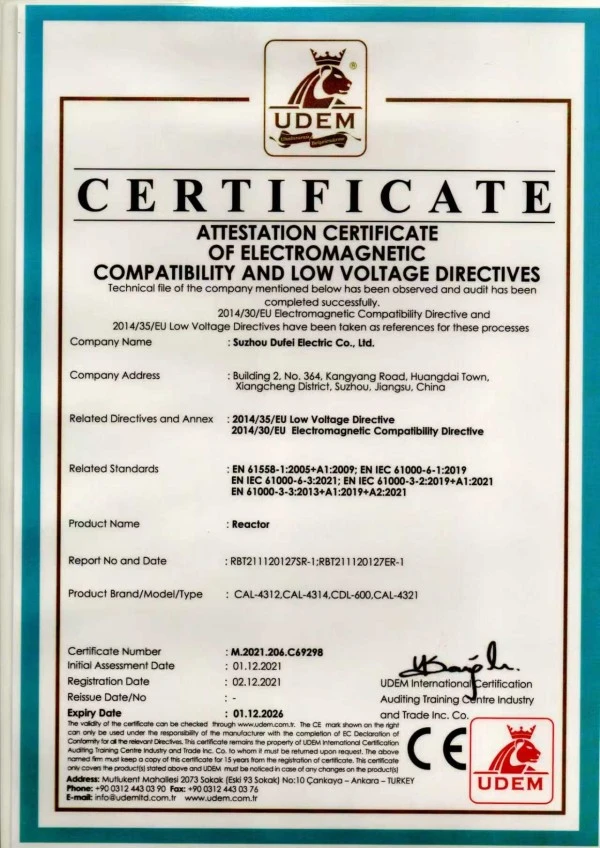
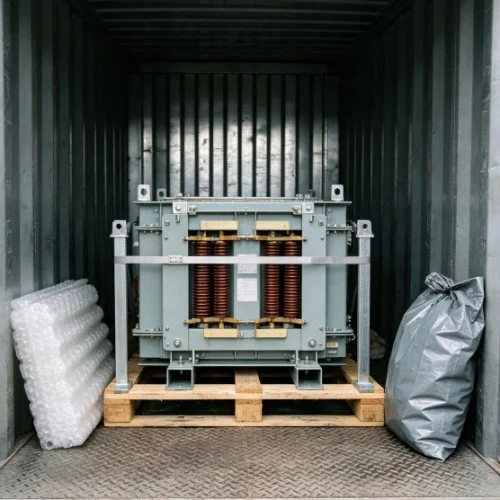
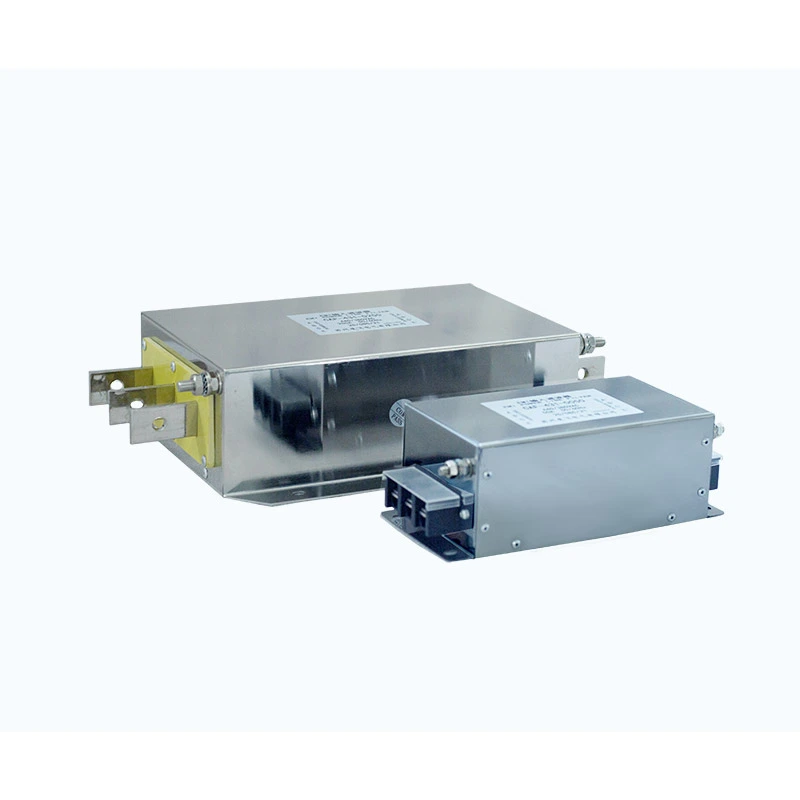
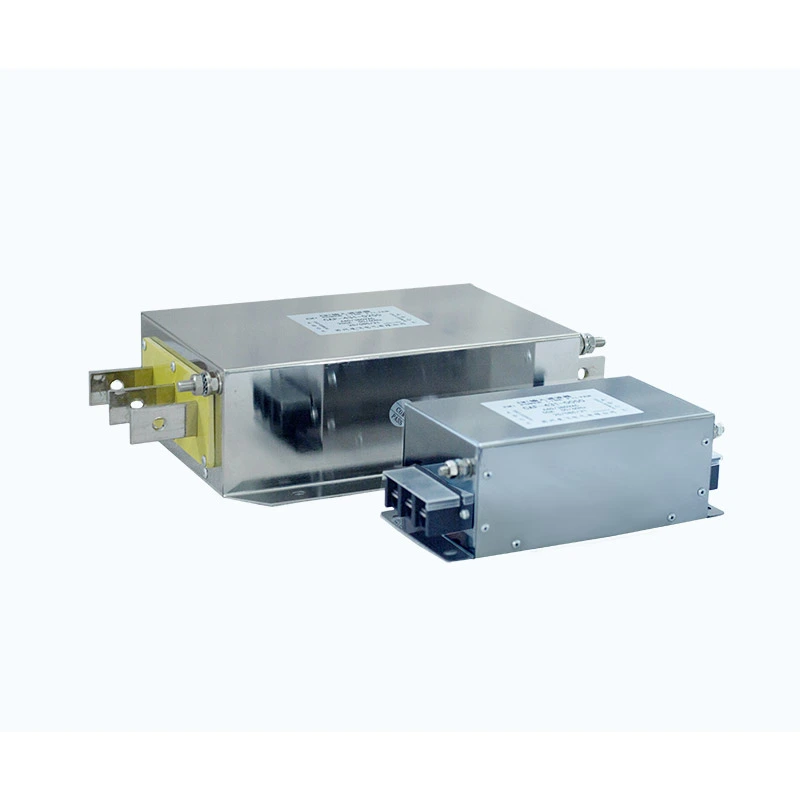
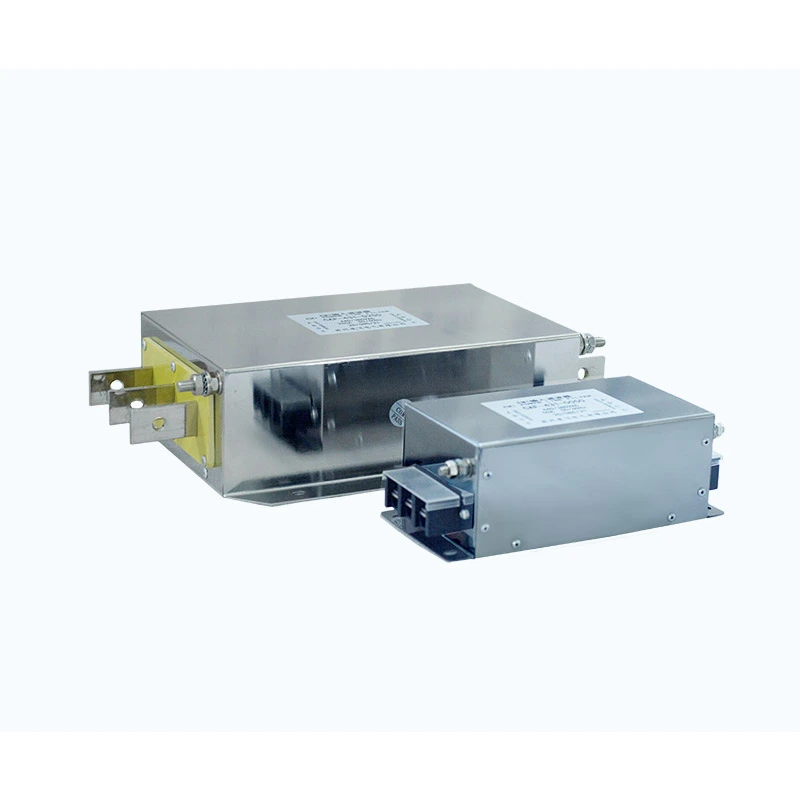
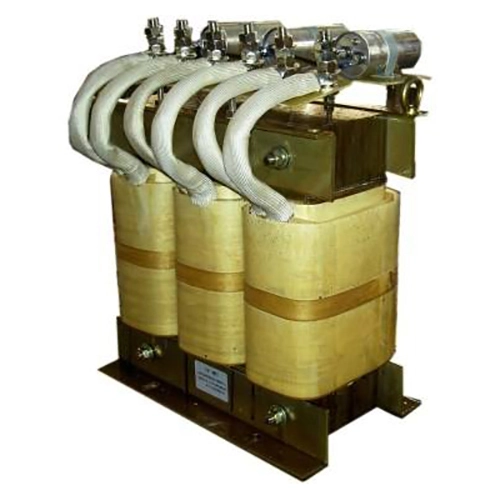
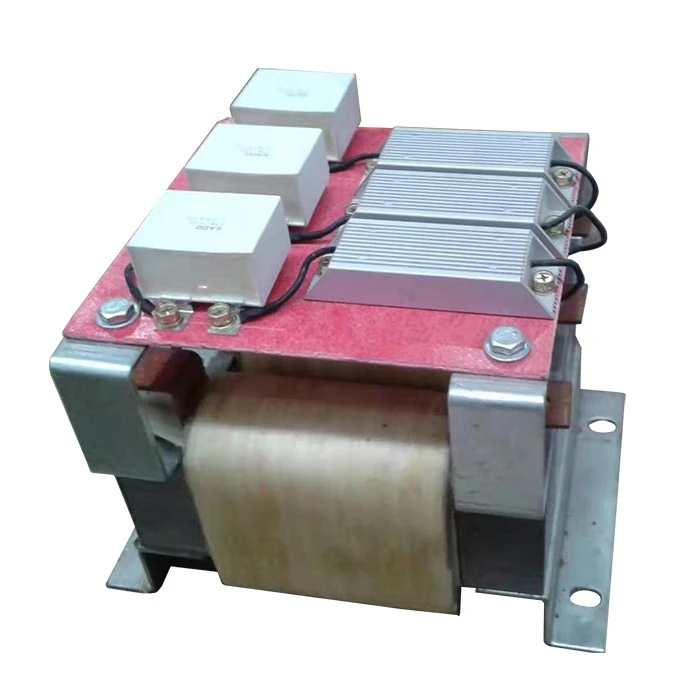
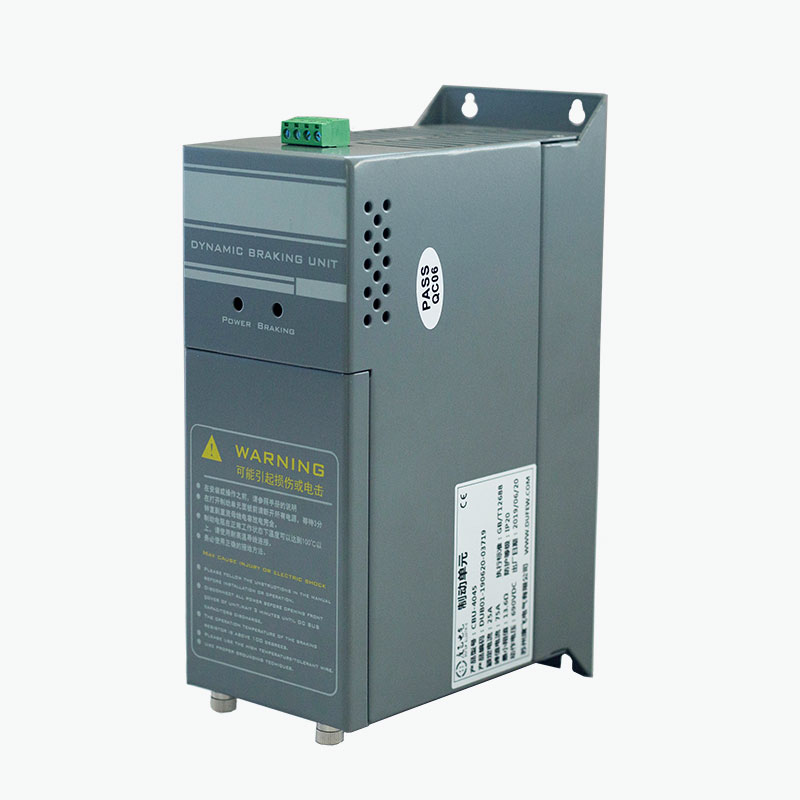
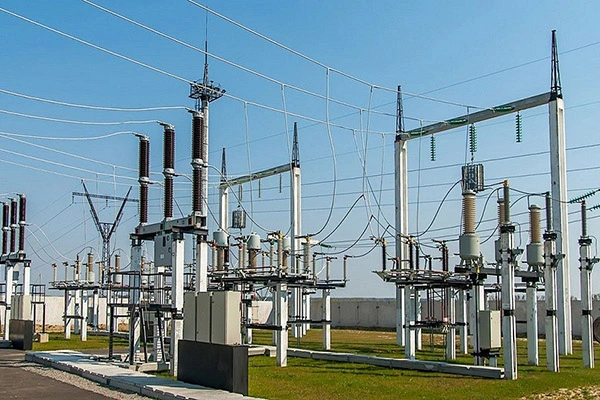
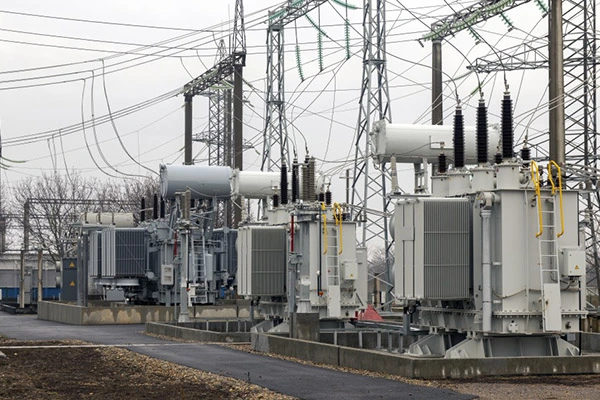
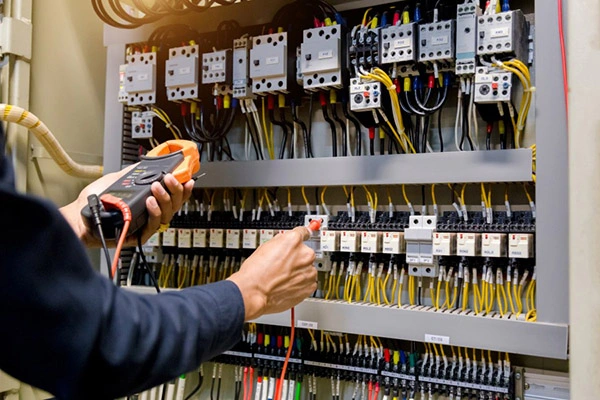
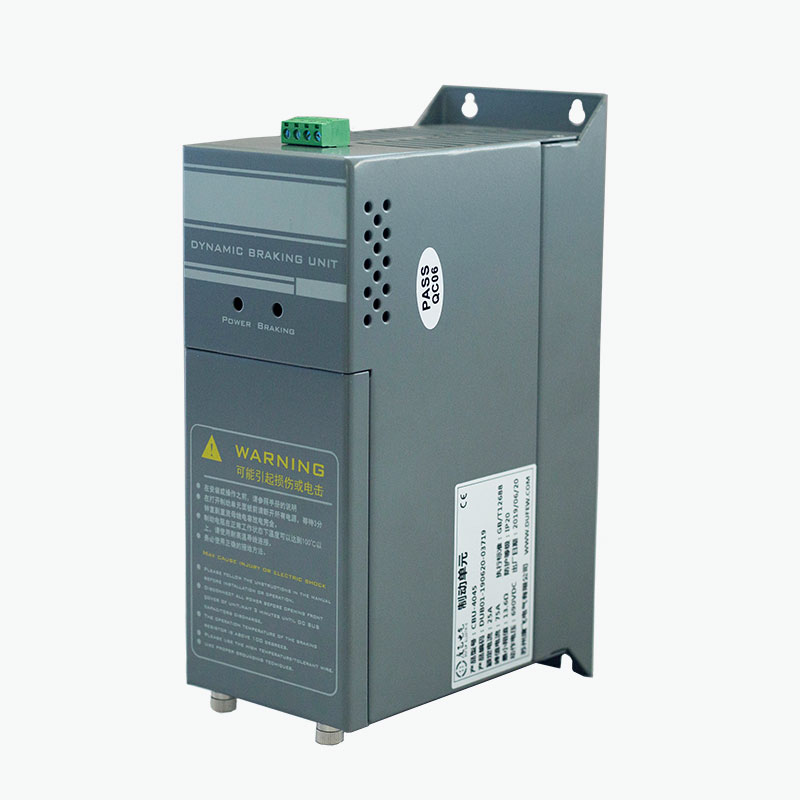
We offer a comprehensive portfolio including resistors, braking units, reactors, power filters, and transformers, with full customization options to meet diverse application requirements.
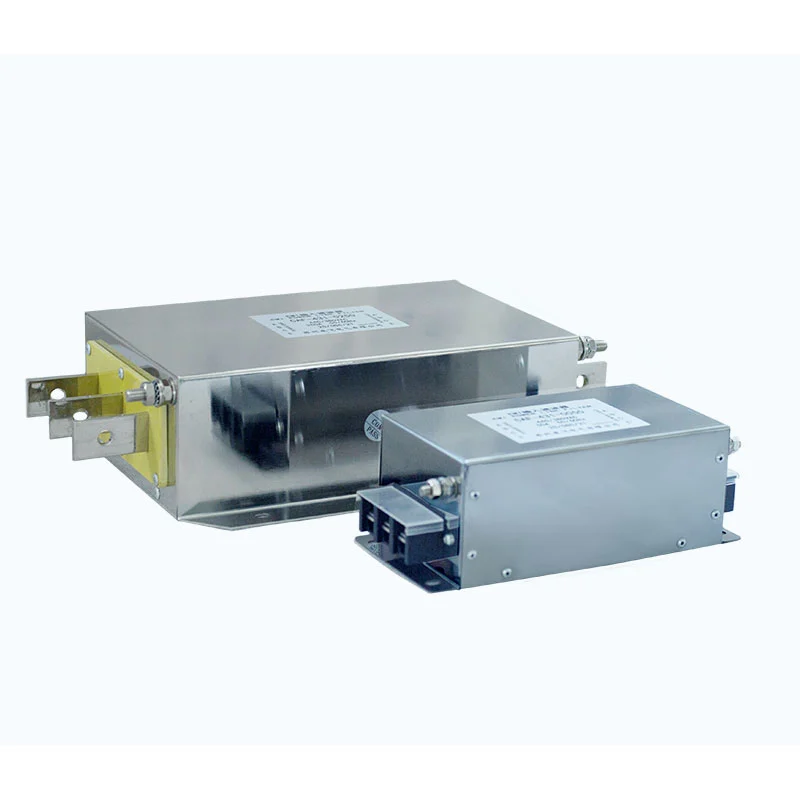
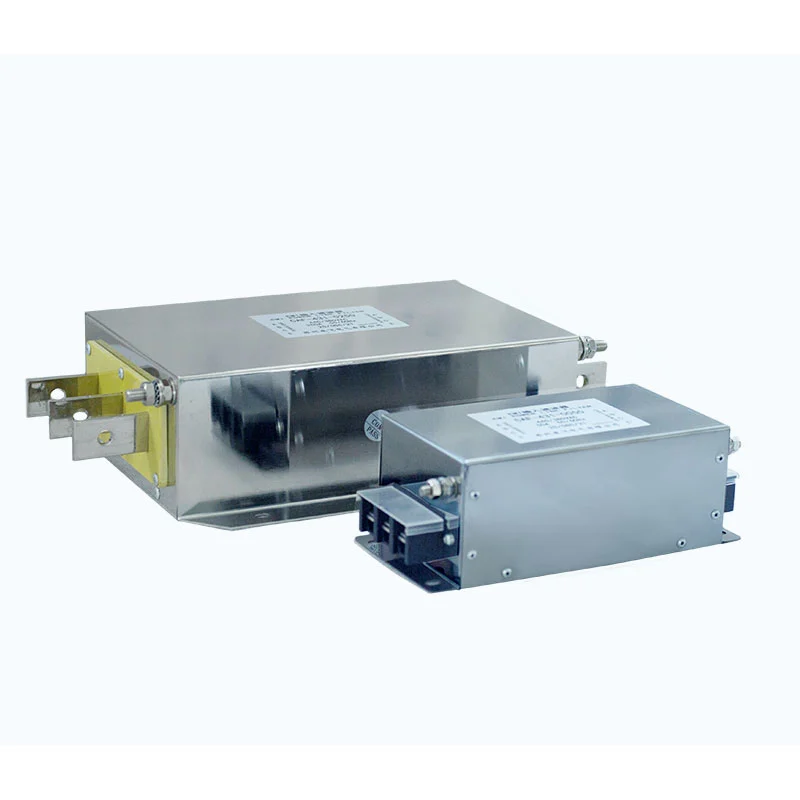
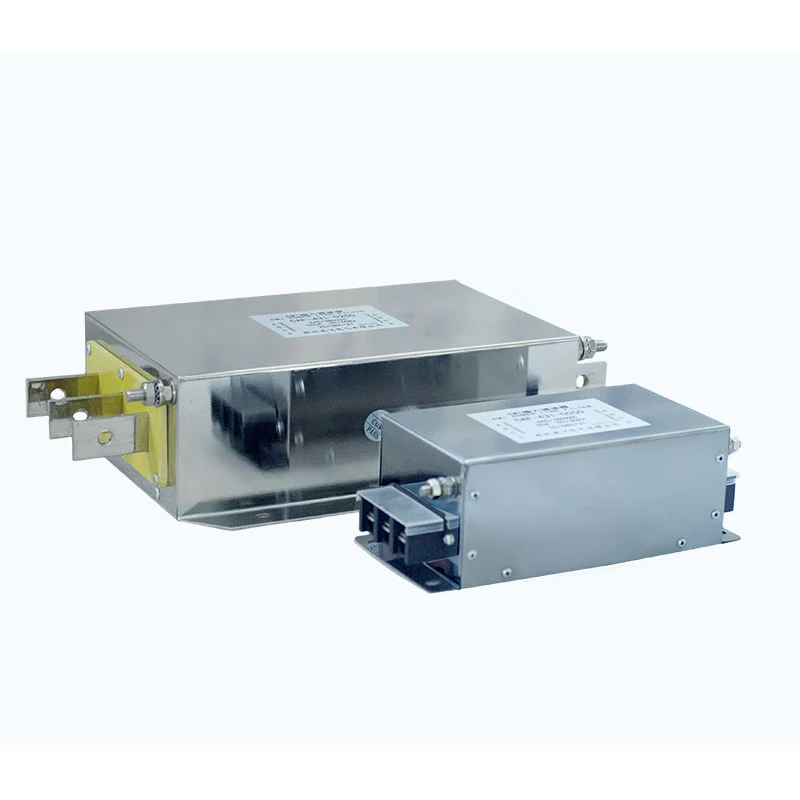
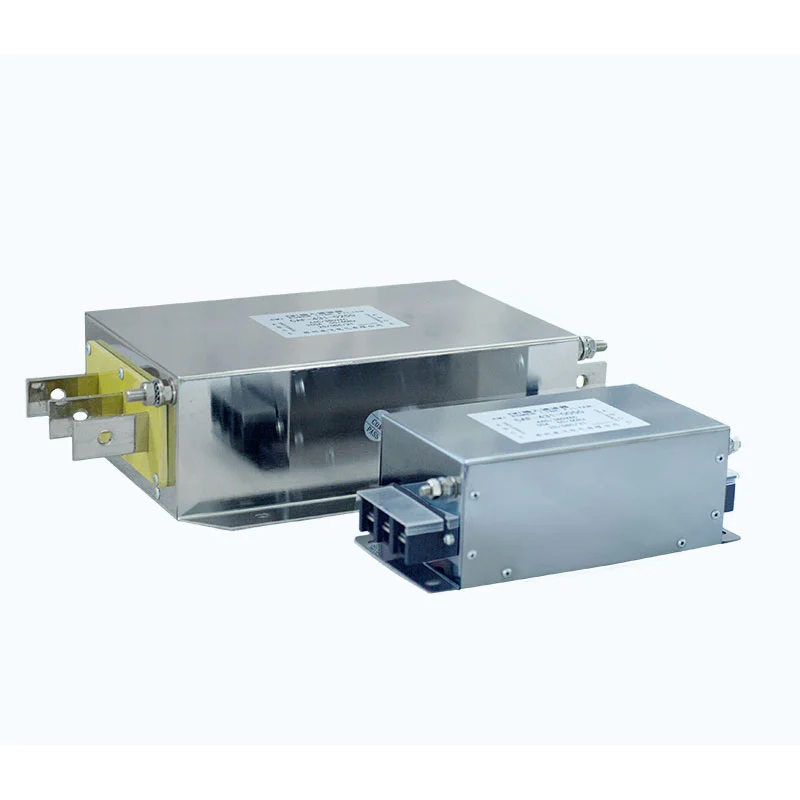
Dufew Electric Power Supply Filter is installed in series at the power input of single-phase inverters, servo drives, switching power supplies, and other electronic equipment. It suppresses conducted high-frequency interference generated by equipment and reduces external RF interference entering through the power line. Single-stage and two-stage configurations are available, with applicable filtering from 5 kHz to 30 MHz and rated current options of 1A–60A for the specified single-phase configuration.
A Power Supply Filter is installed between the incoming power source and the equipment power input. Its main purpose is to control electromagnetic interference (EMI) conducted through the power line.
Power electronic equipment such as inverters, servo drives, and switching power supplies can generate high-frequency noise during switching operation. External electrical equipment and the power network can also introduce unwanted high-frequency disturbances into the same supply line.
The filter provides impedance to these unwanted high-frequency components while allowing the normal power supply to pass through.
It is designed to work in both directions:
- Reduce high-frequency interference generated by the equipment and conducted toward the power network
- Reduce external RF and electrical disturbances entering the equipment through the supply line
- Suppress common-mode and differential-mode interference
- Reduce the possibility of interference between adjacent electronic equipment
The filter is therefore used as part of the equipment's EMI/EMC control and power-line interference suppression system.
Filter Circuit and Operating Principle
The filter uses a combination of common-mode chokes, X capacitors, Y capacitors, and resistive components to form a low-pass filtering network.
Common-Mode Choke
The common-mode choke presents high impedance to common-mode high-frequency noise while allowing the normal supply current to pass.
X Capacitor
The X capacitor is connected across the power conductors and provides a path for differential-mode high-frequency noise.
Y Capacitor
Y capacitors provide a controlled path between the power conductors and ground or chassis reference for appropriate common-mode interference.
Resistor
Depending on the circuit configuration, resistive components can be used for capacitor discharge and circuit damping.
The combined circuit provides suppression of common-mode and differential-mode interference over the specified frequency range.
Single-Stage and Two-Stage Filtering
The filter can use either a single-stage or two-stage structure.
Single-stage filtering is suitable for applications where the interference level can be controlled with one filtering section and installation space is limited.
Two-stage filtering provides additional attenuation where the equipment operates in a more demanding electromagnetic environment.
The appropriate configuration should be determined according to the equipment, interference characteristics, required attenuation, and installation conditions.
Electrical Specifications
The following specifications apply to the relevant product configuration. Different Dufew Electric filter series may have different voltage and current ranges.
Parameter
Specification
Rated Voltage
250VAC for the specified single-phase configuration
Rated Current
1A--60A for the specified single-phase configuration
Operating Frequency
50Hz / 60Hz / up to 500Hz, depending on configuration
Filtering Range
5 kHz--30 MHz
Dielectric Strength, Line to Line
1500VDC / 60s
Dielectric Strength, Line to Ground
2250VDC / 60s*
Insulation Resistance
>100MΩ at 1000VDC
Overload Capability
1.4 × rated current for 1 minute, with at least 15 minutes between overload events
Protection Grade
IP00 / IP20
Insulation Class
T40 / F (155°C)
Flame Retardant Grade
UL94V-2
Product Standard
GB/T 15287/8
* The supplied technical information also lists 2500VDC / 60s for line-to-ground dielectric strength. The applicable value should be confirmed from the final specification for the selected model.
The model designation should be checked against the applicable product specification and nameplate before ordering.
Key Features
Common-Mode and Differential-Mode Suppression
The filter circuit addresses both common-mode and differential-mode high-frequency interference, allowing it to be used where different types of conducted EMI may be present.
Bidirectional Interference Control
The filter can reduce interference generated by the connected equipment and conducted toward the supply network, while also limiting external high-frequency disturbances entering through the power connection.
5 kHz--30 MHz Filtering Range
The specified filtering range covers high-frequency interference associated with switching power electronics and other electronic equipment.
Single- or Two-Stage Configuration
The filtering structure can be selected according to the interference level and installation requirements.
Compact Structure
The integrated construction is suitable for installation inside control cabinets and electrical enclosures where mounting space is limited.
Typical Applications
The filter is designed for single-phase power electronic equipment where conducted EMI needs to be controlled. It can be used in single-phase inverters, servo drives, switching power supplies, controllers, embroidery machines, engraving machines, industrial control equipment, and other electronic equipment installed in EMI-sensitive environments.
The filter can also be used in electrical installations where multiple electronic devices operate on the same power network and conducted interference may affect equipment operation or system performance.
When to Consider a Power Supply Filter
A filter may be appropriate when equipment experiences interference-related symptoms such as:
- Unexpected shutdowns
- False triggering or abnormal operation
- Communication or control interference
- Excessive electrical noise
- Power-line interference between adjacent equipment
These symptoms can have multiple causes. Before selecting a filter, the actual source of the problem should be identified. A filter does not replace corrective measures for overload, incorrect grounding, insulation failure, equipment faults, or other underlying electrical problems.
Product Selection
Filter selection should consider the equipment's supply voltage, rated current, operating frequency, single-phase configuration, required filtering performance, installation dimensions, grounding method, ambient temperature, and protection level.
For the specified single-phase configuration, the recommended filter rating is approximately 1.2–1.5 times the equipment's rated current. Final selection should also consider actual load current, overload conditions, operating temperature, and the manufacturer's specifications.
For model selection, customers can provide the equipment model, supply voltage, rated current, operating frequency, wiring diagram, installation dimensions, interference symptoms, and operating environment.
Installation Instructions
Correct installation is particularly important for high-frequency EMI suppression.
1. Confirm the Electrical Rating
Check the equipment voltage and current before installation. The selected filter must be compatible with the equipment supply and operating current.
2. Inspect the Filter
Check the housing, terminals, mounting points, identification label, and wiring markings. Do not install a damaged unit.
3. Install Close to the Equipment
Install the filter as close as practical to the protected equipment's power entry. For cabinet installations, the filter can be mounted on a suitable metal mounting surface according to the installation requirements.
4. Connect in Series
Connect the filter between the incoming power supply and the equipment input according to the applicable wiring diagram. Follow the marked input and output terminals where a defined connection direction is specified.
The grounding terminal must be reliably connected.
5. Separate Input and Output Wiring
Do not bundle the filter input wires and output wires together.
High-frequency interference can couple between closely routed input and output conductors and bypass the filtering circuit. Input-side and load-side wiring should therefore be routed separately and kept apart as far as practical.
The grounding conductor should be short and have sufficiently low impedance for the installation.
6. Test After Installation
After checking the wiring and grounding:
1. Confirm all terminal connections.
2. Check input/output cable separation.
3. Energize the equipment.
4. Observe operating status and alarm conditions.
5. Verify whether the original interference has been reduced.
Integrated Single-Phase Filter vs. Separate Filter Units
For compact single-phase equipment, an integrated filter assembly can reduce the number of components required for installation.
Comparison
Integrated Single-Phase Filter
Separate Filter Units
Structure
One integrated assembly
Multiple independent assemblies
Installation
One filter installation point
Separate units and mounting points
Wiring
Dedicated filter input and output terminals
Additional interconnection and routing
Cabinet space
Suitable for compact control cabinets
Requires space for each unit
Component management
One product assembly
Separate components and accessories
Actual EMI performance depends on the filter circuit, electrical conditions, grounding, cable routing, and installation quality. The integrated structure itself should not be treated as a guarantee of superior EMI attenuation without application-specific test data.
Manufacturing and Quality Control
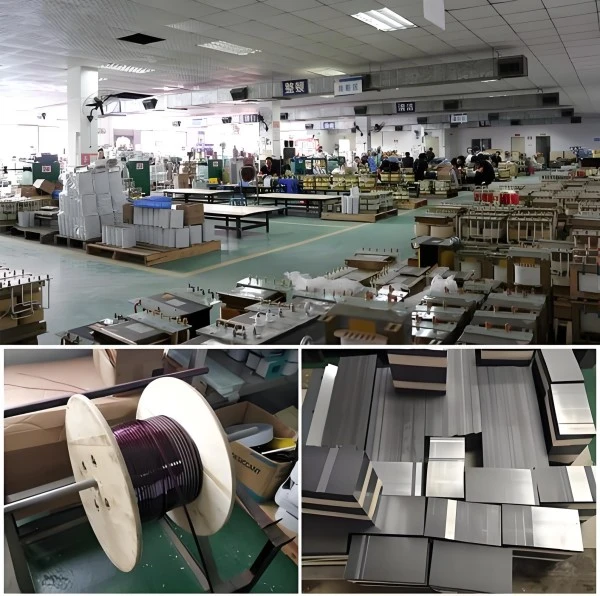
Dufew Electric manufactures power electronics components including resistors, braking systems, reactors, filters, transformers, and customized electrical components.
For power supply filters, production and inspection can include:
Depending on the product configuration, inspection may include:
- Component specification verification
- Terminal and connection inspection
- Insulation resistance testing
- Dielectric strength testing
- Electrical performance testing
- Dimensional inspection
- Final product inspection
Applicable technical records and test documentation can be provided according to product and project requirements.
Certifications and Quality Assurance
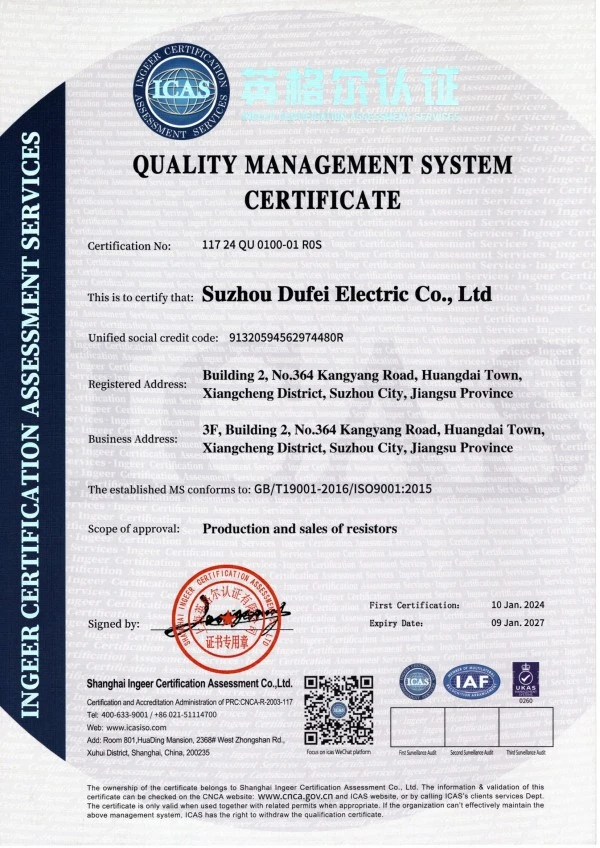
Dufew Electric has ISO and CE certifications supporting its quality management and product compliance activities.
Applicable certificates and technical documents should be confirmed according to the selected model, product configuration, and intended market.
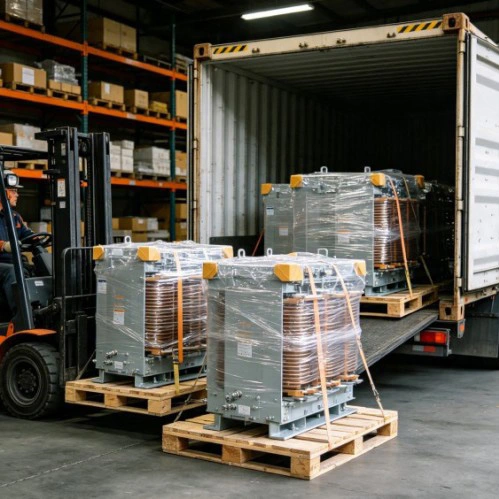
Packaging and Delivery
International orders can be arranged according to product quantity, dimensions, destination, and delivery requirements.
Sea freight, air freight, express delivery, or a customer-nominated forwarder can be used as appropriate. Packaging is selected according to the product structure and transportation conditions.
Frequently Asked Questions
Q1: What is a Power Supply Filter used for?
It is installed at the power input of electronic equipment to suppress conducted electromagnetic interference traveling through the power line. Typical applications include single-phase inverters, servo drives, switching power supplies, and controllers.
Q2: What types of interference can it suppress?
The filter is designed to address both common-mode and differential-mode high-frequency interference. The specified filtering range is 5 kHz--30 MHz for the applicable configuration.
Q3: Where should the filter be installed?
It should be installed as close as practical to the protected equipment's power input. Input-side and output-side cables should be separated to reduce electromagnetic coupling that could bypass the filter.
Q4: Can it be used with single-phase inverters and servo drives?
Yes. It is intended for applications including single-phase inverters, servo drives, switching power supplies, controllers, and similar electronic equipment, provided the electrical ratings are compatible.
Q5: How should the rated current be selected?
Selection should consider the equipment's rated and actual operating current, supply voltage, operating conditions, and filter specification. The supplied selection guidance recommends approximately 1.2--1.5 times the equipment's rated current.
Q6: Can the filter eliminate inverter overvoltage or overcurrent faults?
It can help when these symptoms are caused or aggravated by conducted electromagnetic interference or power-line disturbances. If the fault results from overload, incorrect grounding, insulation problems, or an internal equipment fault, the underlying cause must be addressed separately.
Q7: Can the filter configuration be customized?
Electrical ratings, filtering structure, installation dimensions, and other specifications can be evaluated according to the equipment and application requirements.
Q8: Does installation altitude affect the rated current?
Yes. Above 1,000 m, reduced heat dissipation may require current derating. The supplied technical information specifies a maximum altitude of 2,000 m and recommends 15% current derating above 1,000 m. The final requirement should be confirmed for the selected model.
Power Supply Filter Manufacturer in China
Dufew Electric supplies power supply filters for single-phase inverters, servo drives, switching power supplies, controllers, and other power electronic equipment. The filters use common-mode and differential-mode filtering components to reduce conducted EMI through the power connection.
For product selection, provide the equipment voltage, rated current, operating frequency, installation conditions, and available interference information for configuration review.
Hot Tags: Power Supply Filter Manufacturer, EMI Power Filter Supplier, Industrial Power Filter Wholesale
Looking for reliable power electronics components? Contact Dufew Electric, a professional manufacturer and supplier in China, for customized resistors, braking systems, reactors, transformers, and power solutions tailored to your industrial applications.
We use cookies to offer you a better browsing experience, analyze site traffic and personalize content. By using this site, you agree to our use of cookies.Privacy Policy