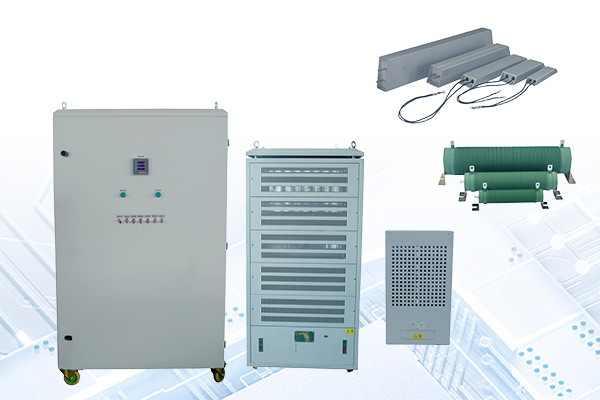
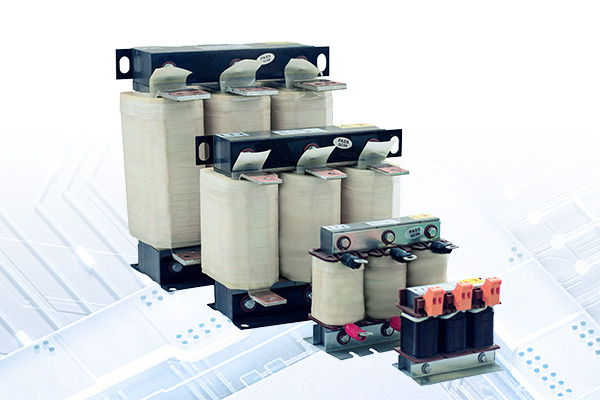
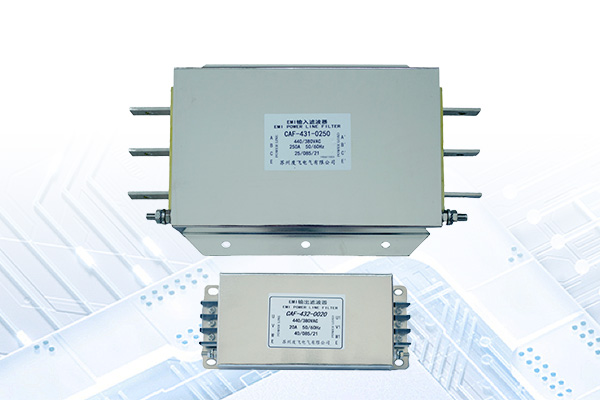
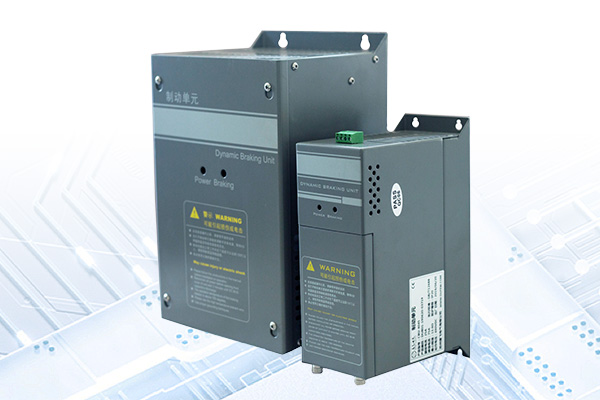
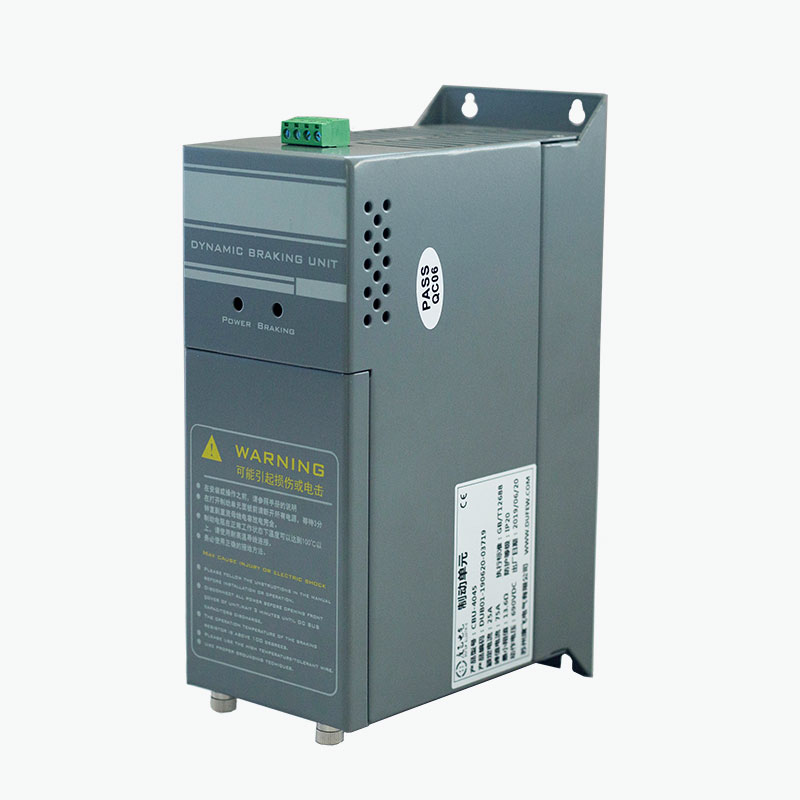
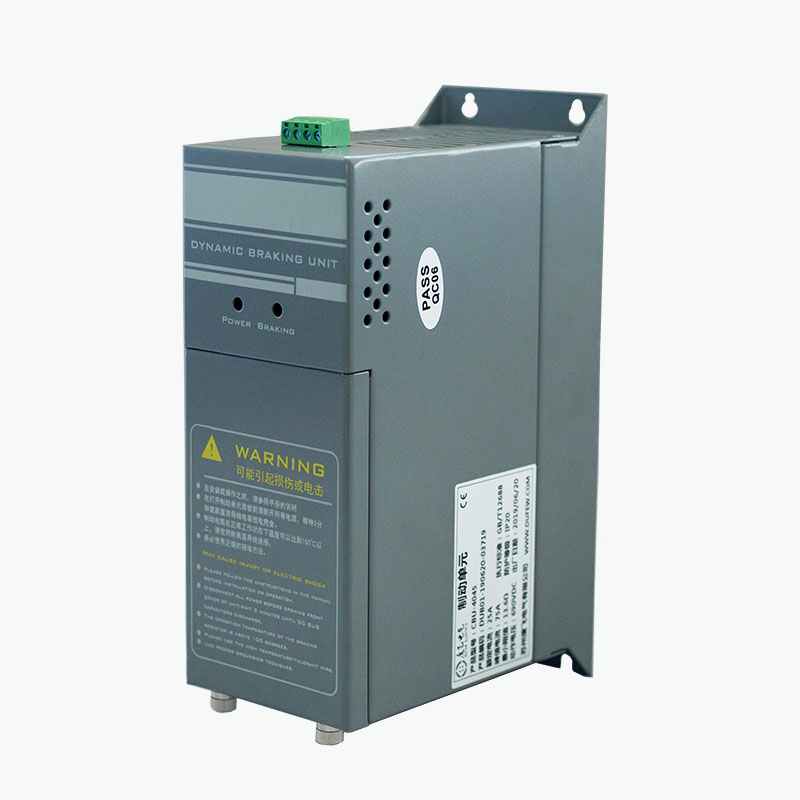
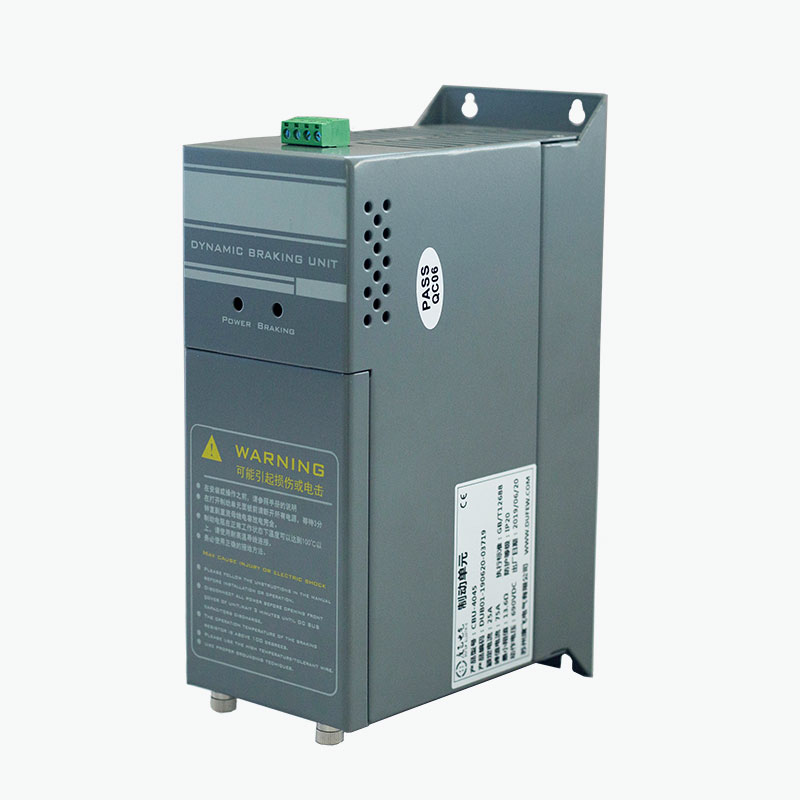
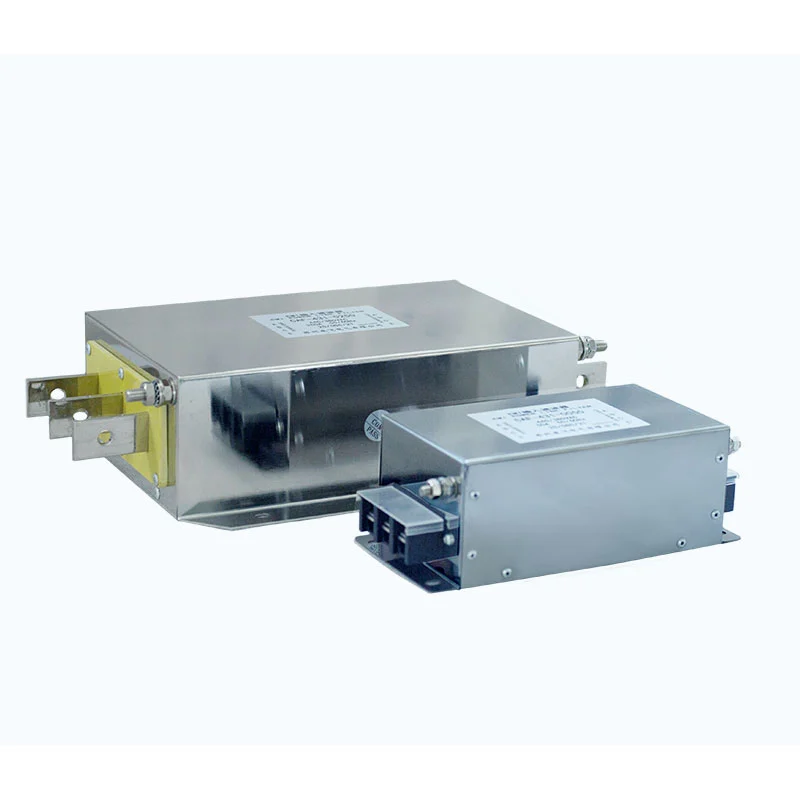
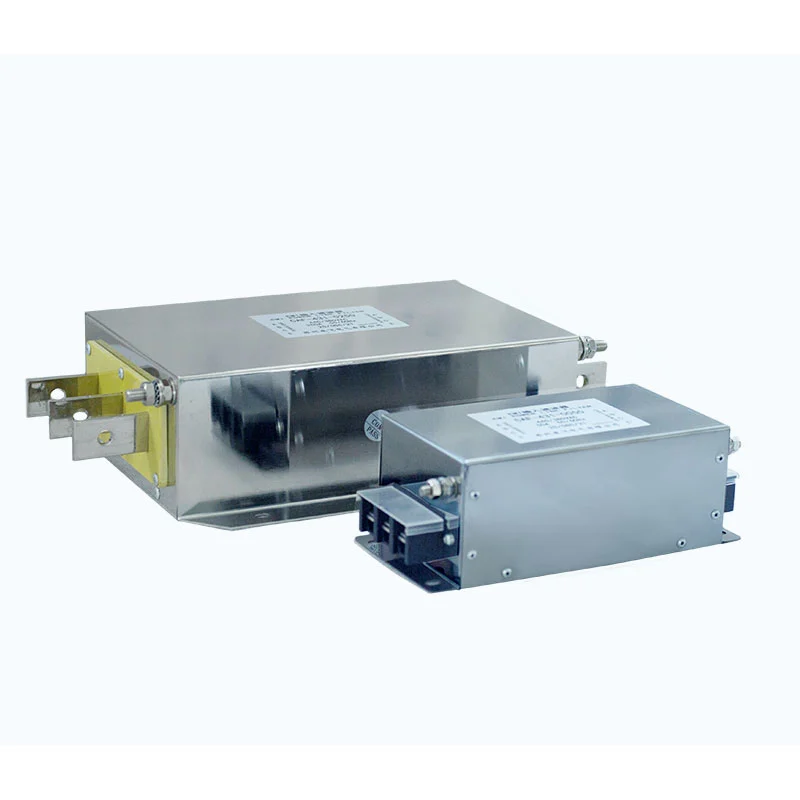
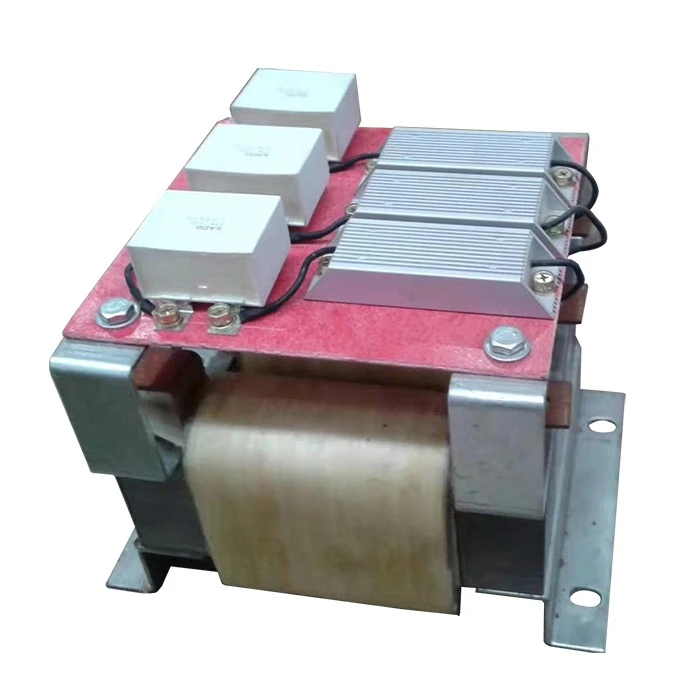
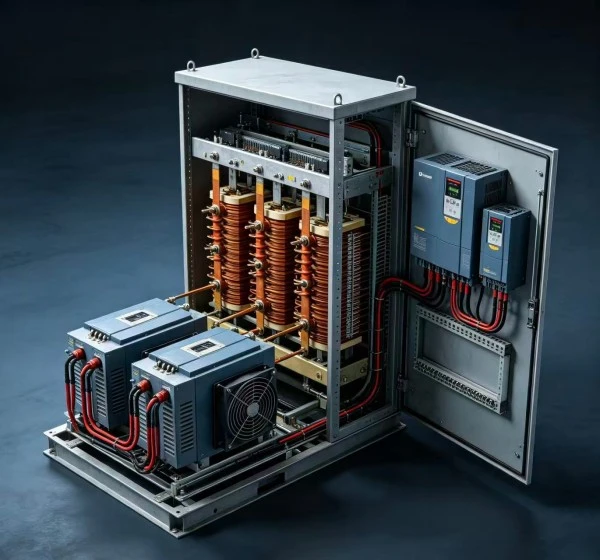
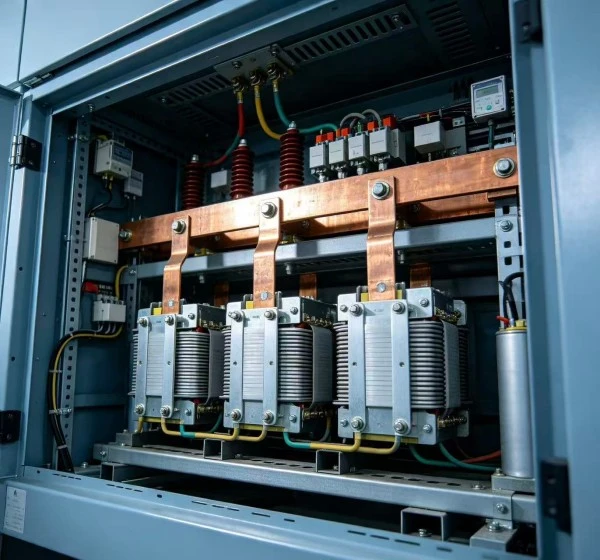
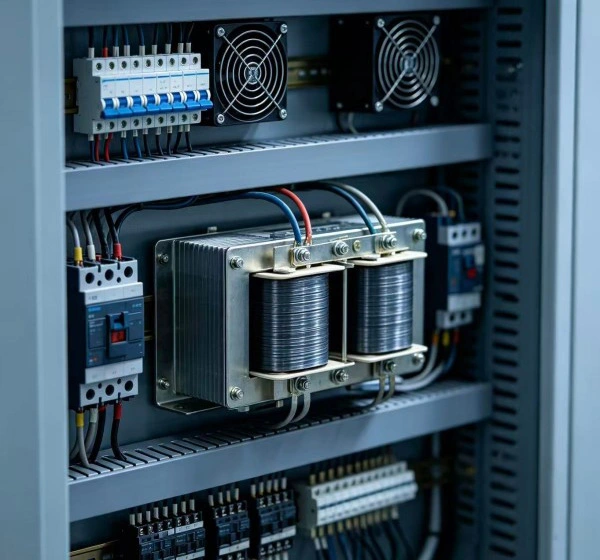
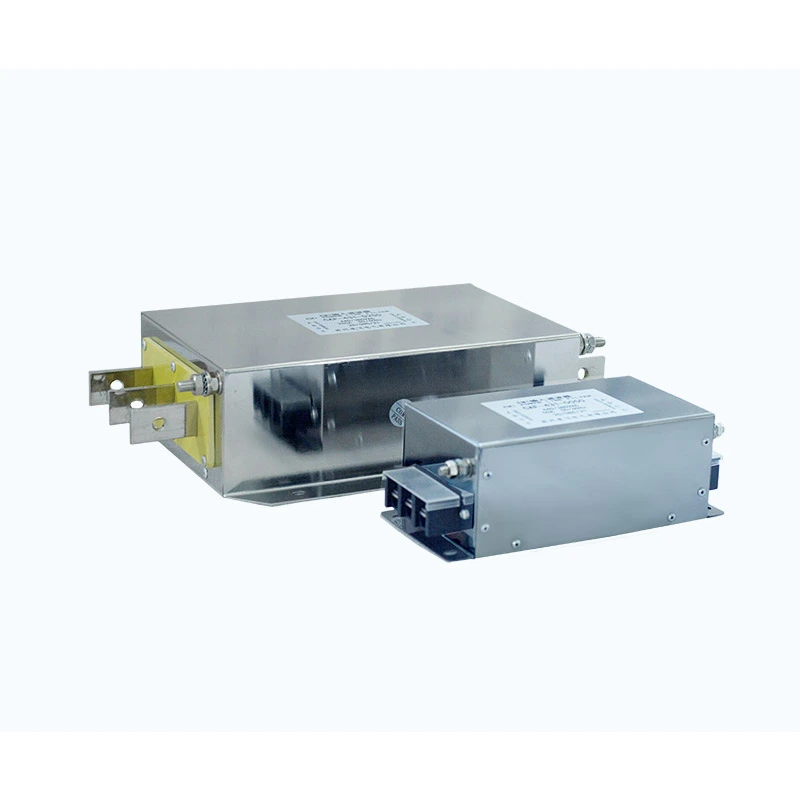
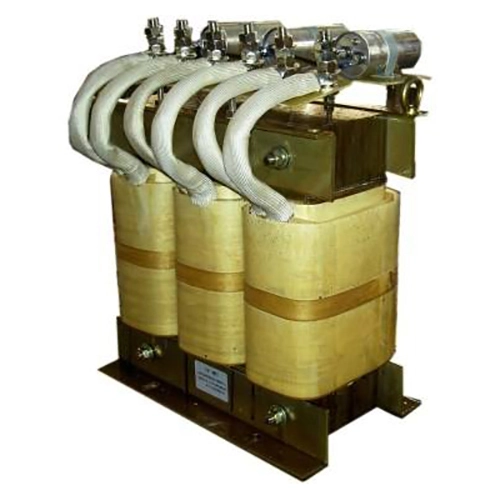
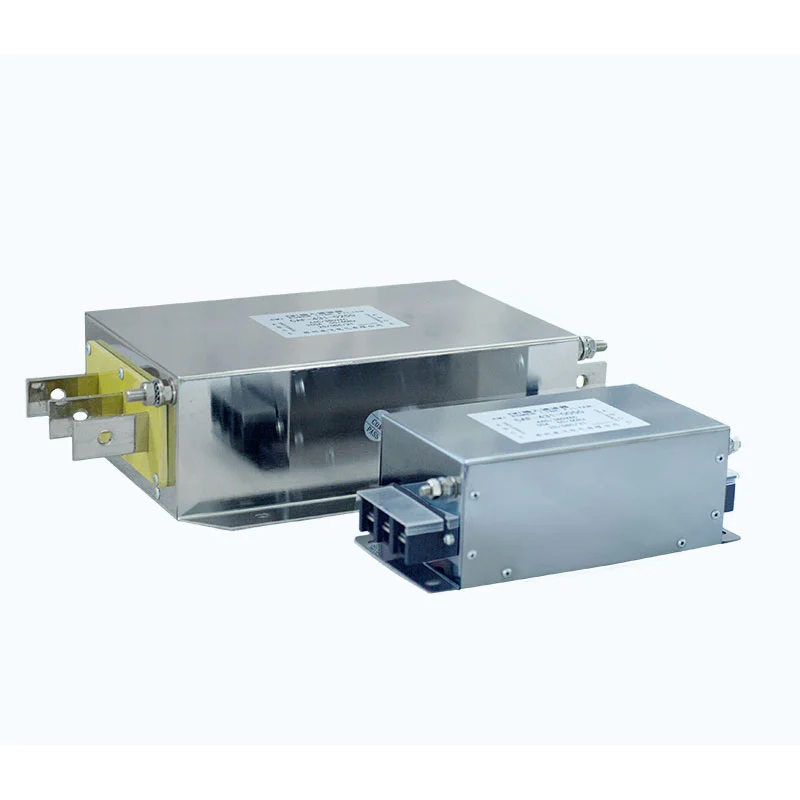
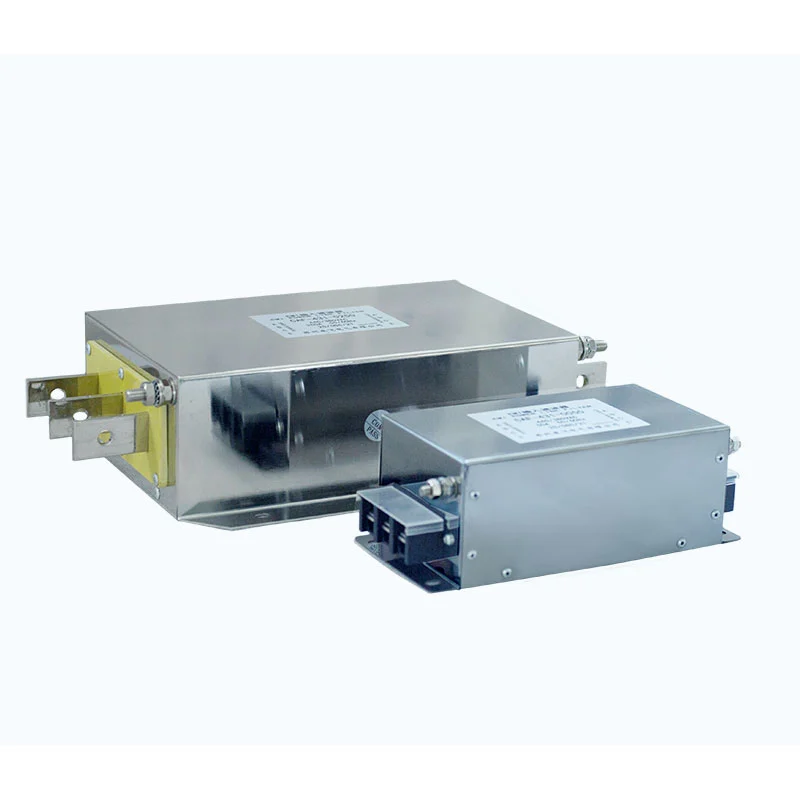
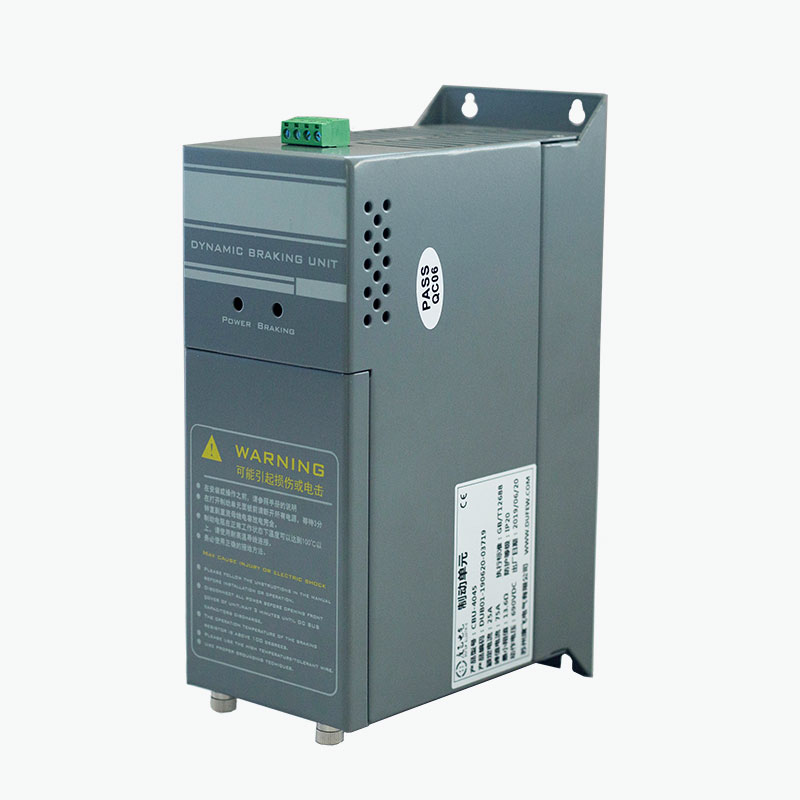
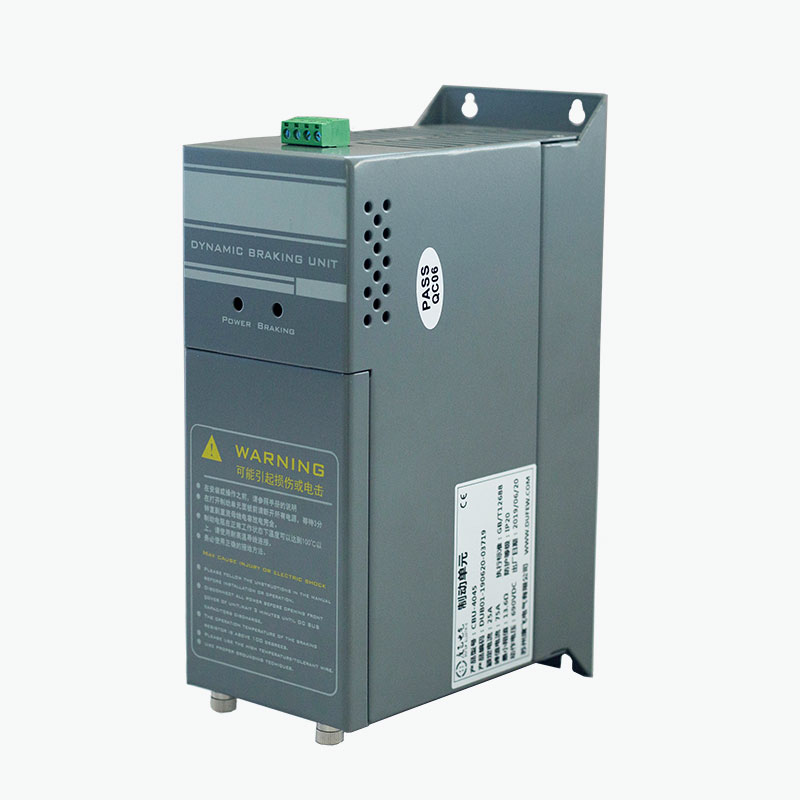
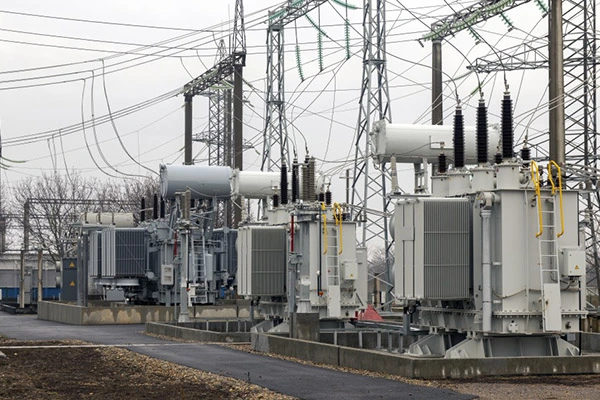
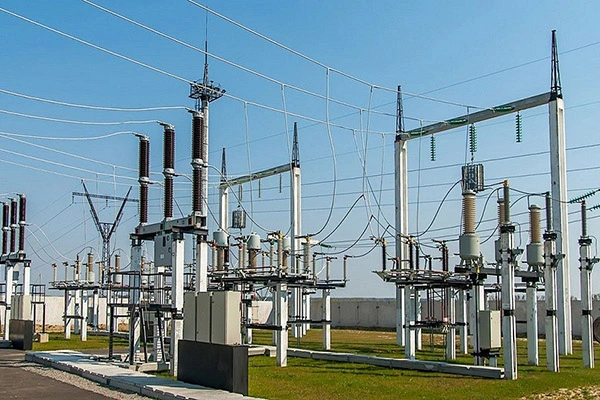
We offer a comprehensive portfolio including resistors, braking units, reactors, power filters, and transformers, with full customization options to meet diverse application requirements.
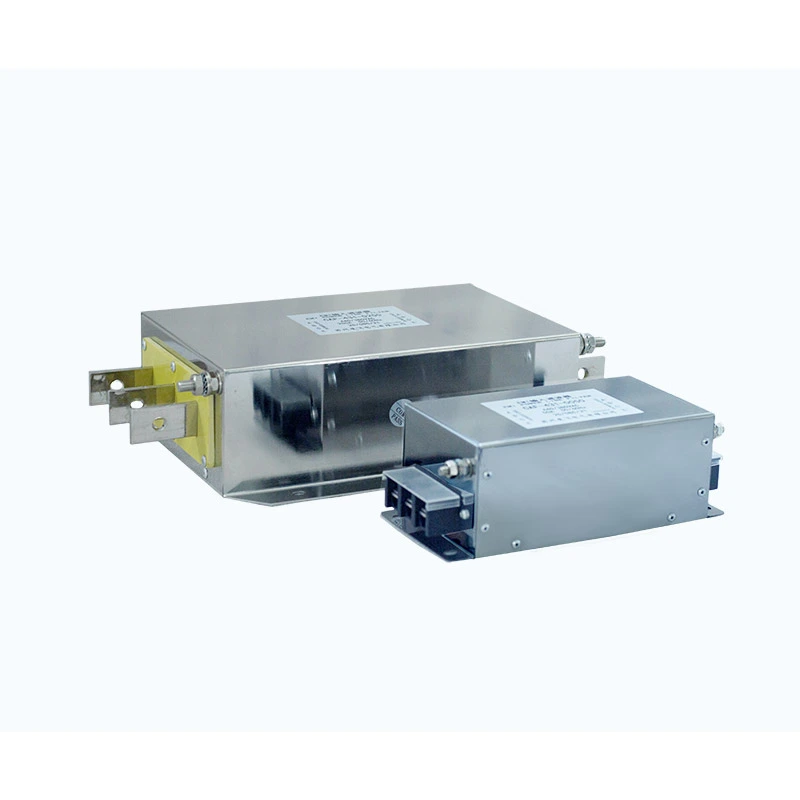
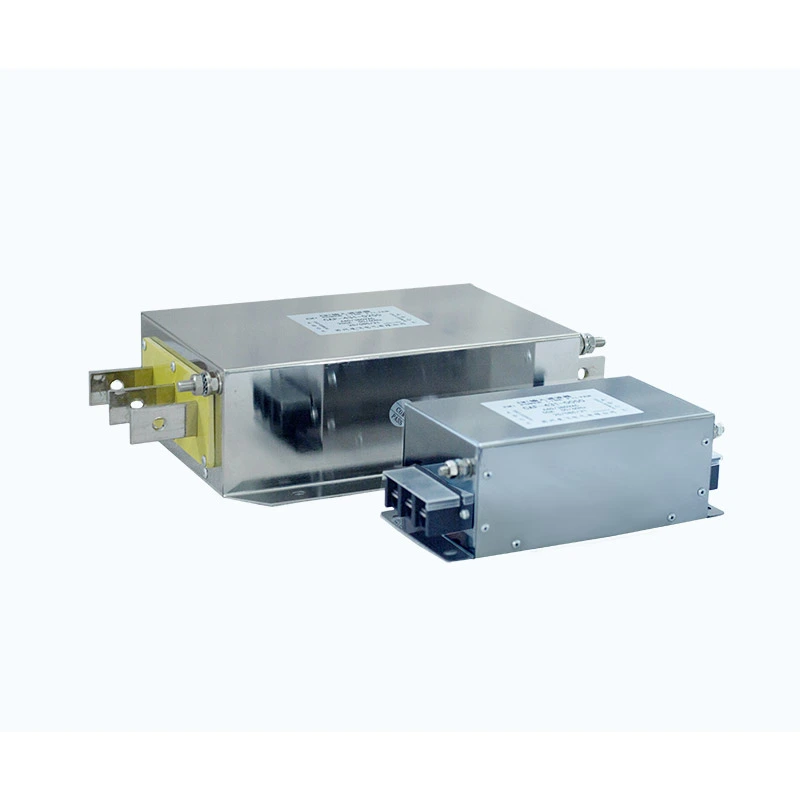
Dufew Electric Derivative Voltage Filter (dv/dt Filter) is designed to protect motors driven by VFD systems, inverter drives, and industrial automation equipment from high-frequency PWM switching stress. Installed between the inverter output and motor terminals, it reduces voltage rise rate (dv/dt), limits transient voltage spikes, and helps minimize reflected voltage, common-mode interference, and motor insulation stress. With rated voltage from 220VAC to 1140VAC and rated current from 5A to 1600A, Dufew provides customized motor protection solutions for demanding industrial drive applications.
Dufew Electric Derivative Voltage Filter is installed at the output side of a VFD to improve the electrical conditions between the inverter and motor. Modern inverter systems use high-speed switching devices for precise speed and torque control, but rapid PWM voltage transitions can create steep voltage edges that increase dv/dt stress on motor windings, reflected voltage caused by cable impedance mismatch, common-mode voltage between the motor and ground, bearing current risk, and high-frequency electromagnetic interference.
These effects can become more noticeable with long motor cable runs, high inverter switching frequencies, motors not originally designed for inverter duty, or industrial equipment with strict electrical stability requirements. Dufew uses an LC damping structure with controlled resistance to absorb high-frequency oscillation energy, slow voltage transition rates, and reduce transient electrical stress while maintaining normal inverter operation.
The filter can help reduce PWM voltage peaks, motor insulation stress, reflected-wave effects, and high-frequency interference, while improving cable transmission conditions and overall drive system compatibility.
How Dufew dv/dt Technology Works?
LC Damping Structure for Voltage Transition Control
During inverter switching, PWM pulses generate rapid high-frequency voltage changes that travel through the motor cable. The filter introduces controlled impedance into the output circuit to limit rapid voltage changes and transient overvoltage, improving the voltage conditions at the motor terminals and reducing reflected-wave effects. Compared with a conventional output reactor, the damping structure provides additional control of high-frequency voltage oscillation.
Common-Mode Voltage Control Design
High-frequency switching can create common-mode voltage between motor windings, cable conductors, and the grounding system. Dufew optimizes the magnetic and electrical design to reduce common-mode interference and high-frequency voltage components, which can help limit shaft voltage effects, reduce bearing discharge current risk, and improve EMC performance.
Motor Protection Performance
Reducing Insulation Stress Under PWM Operation
Rapid voltage transitions and repetitive PWM pulses can increase electrical stress on motor winding insulation and contribute to insulation aging over time. By moderating voltage rise rates and limiting transient peaks, Dufew helps reduce winding insulation stress and is suitable for retrofit applications where existing motors need improved compatibility with VFD operation.
Improving Bearing Reliability
Common-mode voltage can create high-frequency current paths through motor bearings, potentially increasing shaft voltage and bearing discharge effects. By reducing high-frequency voltage components, the filter helps limit shaft voltage influence and bearing current-related damage while supporting more stable motor operation.
Supporting Continuous Industrial Operation
For motors operating under continuous-duty conditions, controlling voltage transients and high-frequency electrical stress can help maintain equipment availability and reduce electrical stress on motors and connected components. This supports stable operation and maintenance requirements in industrial drive systems.
Application Selection Guide
A dv/dt filtering solution is commonly considered when systems have:
Application Condition
Recommended Purpose
Long motor cable connection
Reduce reflected voltage impact
Existing standard motors
Improve inverter compatibility
High switching frequency VFD
Reduce electrical stress
Bearing current concerns
Minimize high-frequency current paths
Sensitive automation equipment
Improve EMC performance
Typical Applications
Dufew solutions are suitable for:
Application
Main Requirement
VFD motor systems
Reduce PWM voltage stress
Servo drive systems
Improve motor protection
Pumps and fans
Enhance drive reliability
Elevators and cranes
Support frequent acceleration cycles
Industrial production lines
Reduce electrical interference
Remote motor installations
Improve cable compatibility
Typical applications include industrial automation, CNC machinery, port equipment, injection molding machines, textile machinery, paper processing equipment, and testing systems where VFD-driven motors require improved voltage control and motor-side electrical protection.
Technical Design Features
Low-Loss Magnetic Component Design
Dufew uses optimized magnetic materials and component structures to maintain stable inductance characteristics while reducing magnetic losses and supporting effective heat dissipation during continuous operation.
Industrial Insulation System
The insulation system can use Class F insulation materials together with vacuum impregnation treatment to improve insulation integrity, mechanical strength, and resistance to environmental conditions during industrial operation.
Flexible Installation Configuration
To accommodate different cabinet and equipment layouts, Dufew supports IP00 and IP22 protection options, vertical or horizontal installation, customized dimensions, and project-specific mechanical configurations according to application requirements.
Technical Specifications
Parameter
Specification
Rated Voltage
220VAC / 380VAC / 690VAC / 1140VAC
Operating Frequency
50Hz / 60Hz / Customized
Carrier Frequency
2kHz-6kHz
Rated Current
5A-1600A
Overload Capability
1.5× rated current for 1 minute
Temperature Rise
≤80K
Noise Level
≤65dB
Dielectric Strength
3000VAC / 10S
Insulation Resistance
≥100MΩ at 1500VDC
Protection Grade
IP00 / IP22
Insulation Class
Class F (155℃)
Flame Retardant Grade
UL94V-2
Standards
IEC289 / GB10229-88
dv/dt Filter vs Sine Wave Filter
Comparison
dv/dt Filter
Sine Wave Filter
Main Purpose
Reduce voltage rise rate and transient spikes
Convert PWM output into sine-like waveform
Circuit Structure
LC damping structure
Complete LC low-pass filter
Output Characteristics
PWM waveform with reduced electrical stress
Near-sinusoidal voltage waveform
Application Focus
Motor insulation protection
Maximum waveform improvement
Typical Usage
Medium cable applications
Long-distance transmission systems
Manufacturing Capability & Quality Assurance
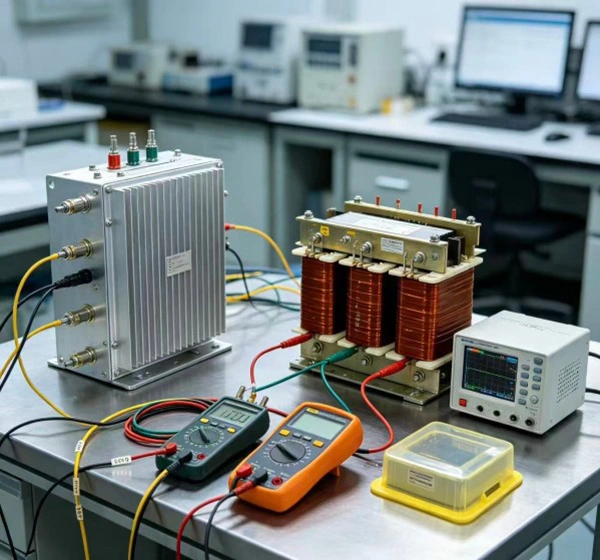
Dufew Electric specializes in industrial power electronics components, including filters, reactors, braking resistors, transformers, and customized electrical solutions. For motor protection filtering products, the manufacturing process covers magnetic core selection, precision winding, insulation treatment, vacuum impregnation, electrical performance testing, and final inspection.
Key quality checks may include:
- Insulation resistance testing
- Dielectric withstand testing
- Inductance verification
- Temperature rise testing
- Final product inspection
Dufew Electric supports OEM manufacturing, customized electrical parameters, engineering application support, and project-based solutions. Certification documents and product testing reports can be provided according to product and project requirements.
FAQ
Q1: What is a Derivative Voltage Filter used for in VFD systems?
A Derivative Voltage Filter is used to reduce dv/dt stress, transient voltage spikes, and high-frequency interference generated by inverter switching. It helps improve motor insulation protection and system reliability.
Q2: When should this solution be selected?
It is recommended for applications with long motor cables, inverter-driven standard motors, high switching frequencies, bearing current concerns, or strict EMC requirements.
Q3: What is the difference between a dv/dt filter and a sine wave filter?
A dv/dt filter mainly reduces voltage rise rate and transient voltage stress, while a sine wave filter further reshapes PWM output into a near-sinusoidal waveform with higher filtering performance.
Q4: Can Dufew customize motor protection solutions?
Yes. Dufew provides customized solutions according to system voltage, current capacity, carrier frequency, cable length, installation requirements, and application conditions.
Customized Motor Protection Solutions from Dufew Electric
Dufew Electric provides customized output-side protection solutions for VFD systems, servo drives, and industrial motor applications. Through professional electrical design, controlled manufacturing processes, and strict quality inspection, Dufew helps customers reduce PWM-related electrical stress and improve long-term drive system reliability.
Hot Tags: Derivative Voltage Filter, dv/dt Filter Manufacturer, dv/dt Filter Supplier
Looking for reliable power electronics components? Contact Dufew Electric, a professional manufacturer and supplier in China, for customized resistors, braking systems, reactors, transformers, and power solutions tailored to your industrial applications.
We use cookies to offer you a better browsing experience, analyze site traffic and personalize content. By using this site, you agree to our use of cookies.Privacy Policy