‌Suzhou Dufew Electrical Co., Ltd.‌
News
News

Stay updated with the latest company announcements, technology developments, industry events, and new product releases from Dufew Electric.

How Can an Inverter Braking Resistor Cabinet Improve VFD Safety and Industrial Braking Performance

2026-11-06 0 Leave me a message

Article Summary: An inverter braking resistor cabinet is an essential component in industrial variable frequency drive (VFD) systems that require controlled motor deceleration and reliable regenerative energy management. By absorbing excess electrical energy generated during braking and converting it into heat, it helps prevent DC bus overvoltage, protects inverter components, and maintains stable equipment operation. Dufew specializes in customized inverter braking resistor cabinet solutions featuring modular corrugated resistor assemblies, reinforced copper busbar connections, and optimized thermal management. With power configurations from 20KW to 500KW and working voltage up to 3000V, these solutions are designed for demanding industrial applications, including cranes, elevators, mining equipment, and steel production systems.

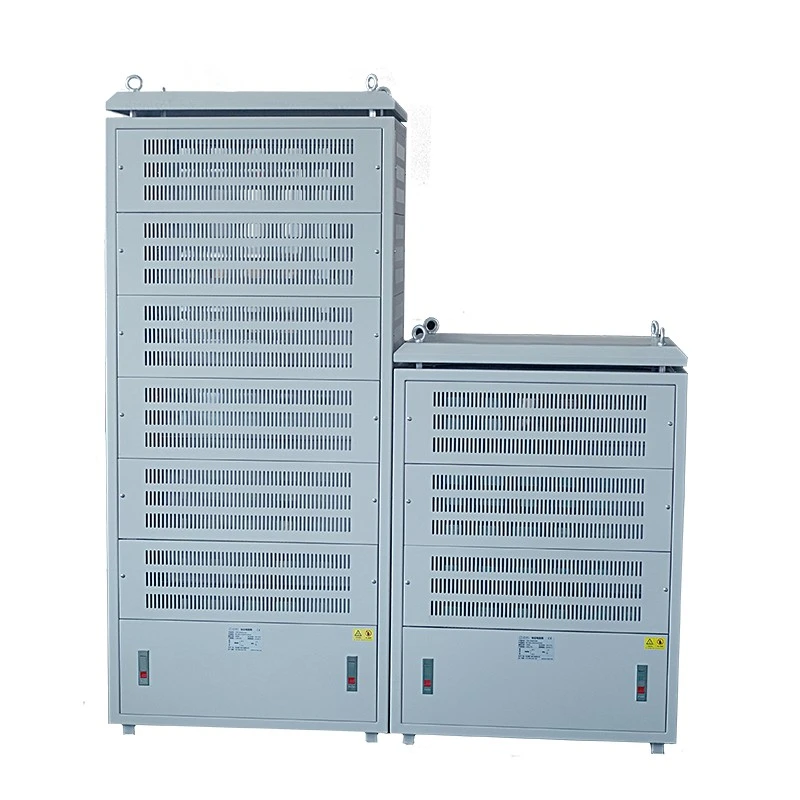
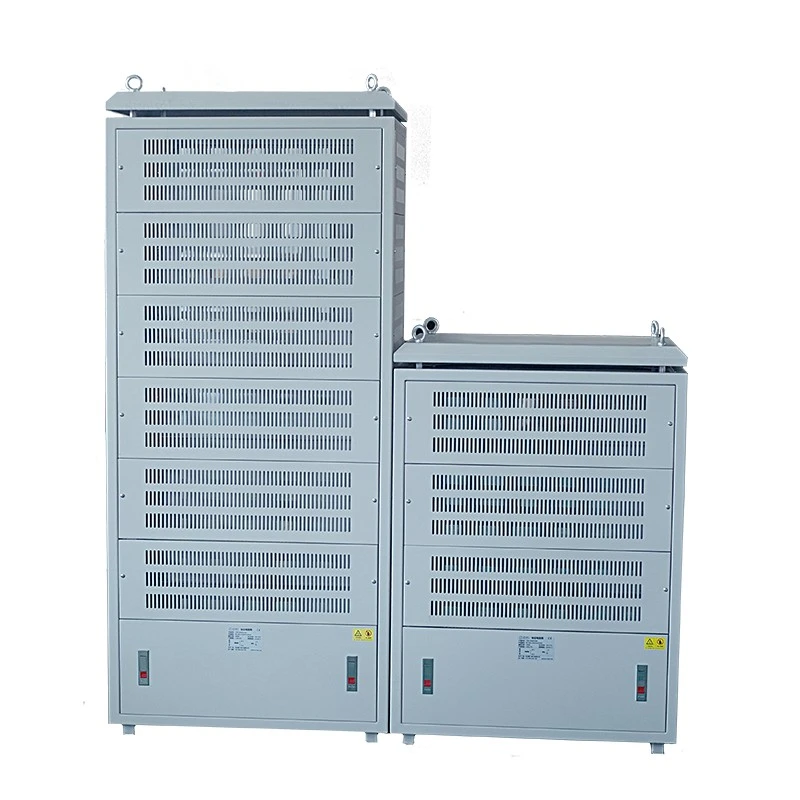
Inverter Braking Resistor Cabinet

Table of Contents

  1. What Is an Inverter Braking Resistor Cabinet?
  2. How Does an Inverter Braking Resistor Cabinet Work?
  3. Key Components and Structural Design
  4. Technical Specifications and Performance Features
  5. How to Select the Right Braking Resistor Cabinet
  6. Industrial Applications and Benefits
  7. Why Thermal Management Matters
  8. Manufacturing Quality and Engineering Assurance
  9. Frequently Asked Questions
  10. Conclusion: Choosing a Reliable Braking Resistor Solution

1. What Is an Inverter Braking Resistor Cabinet?

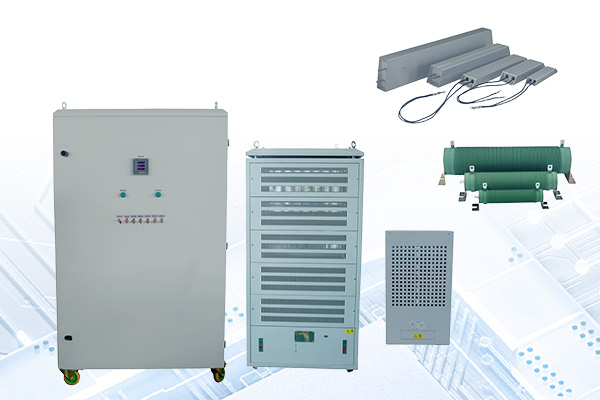
An Inverter Braking Resistor Cabinet is an industrial electrical assembly designed to absorb and dissipate regenerative energy generated by motors controlled through variable frequency drives. It is particularly important in equipment that requires frequent acceleration, rapid deceleration, heavy-load lifting, or emergency stopping.

During normal motor operation, electrical energy drives the motor to produce mechanical movement. However, when a high-inertia motor slows down, the motor may temporarily operate as a generator. The resulting electrical energy flows back into the inverter's DC bus, causing its voltage to increase.

If this energy cannot be managed effectively, the drive may experience overvoltage alarms, unexpected shutdowns, or potential damage to power electronic components.

A braking resistor cabinet provides a controlled energy dissipation path. Working together with a braking unit or braking chopper, it converts excess electrical energy into thermal energy and releases the generated heat through its cooling structure.

Compared with conventional individual resistor installations, a complete cabinet offers several advantages:

  • Centralized integration: Multiple resistor elements and electrical connections are organized within one enclosure.
  • Flexible configuration: Resistance, power capacity, and cabinet dimensions can be customized.
  • Improved thermal management: Dedicated ventilation channels help remove accumulated heat.
  • Convenient maintenance: Modular construction makes inspection and replacement easier.
  • Industrial protection: Temperature monitoring and protective components support safer operation.

2. How Does an Inverter Braking Resistor Cabinet Work?

Understanding the working principle helps engineers determine whether an external braking resistor cabinet is necessary for their VFD applications.

The Regenerative Braking Process

When a motor decelerates, its mechanical energy can be converted into electrical energy. This regenerated energy returns to the inverter DC bus, increasing the DC bus voltage.

When the voltage reaches the braking unit's operating threshold, the braking switching circuit activates and directs the excess energy toward the braking resistor cabinet.

The resistor elements then convert the electrical energy into heat, while the cabinet's cooling system dissipates the accumulated thermal energy.

Five Main Operating Steps

  1. Motor deceleration: The motor slows down and generates regenerative electrical energy.
  2. Voltage monitoring: The braking unit detects an increase in DC bus voltage.
  3. Braking activation: The braking circuit connects the resistor cabinet to the energy dissipation path.
  4. Energy conversion: The resistor elements convert electrical energy into heat.
  5. Heat dissipation: Ventilation channels or forced cooling systems remove the generated heat.

This process helps control DC bus voltage fluctuations, reduce inverter overvoltage faults, and maintain stable braking performance during repeated operating cycles.

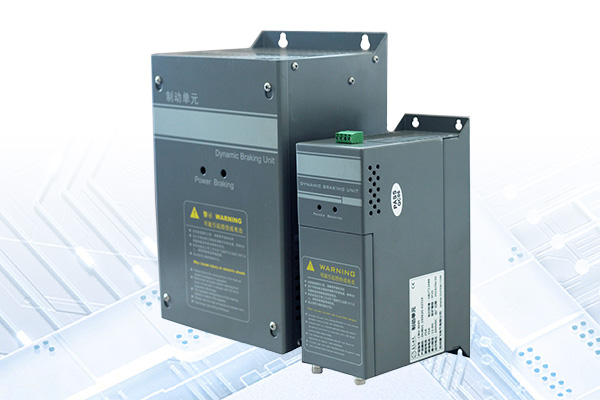
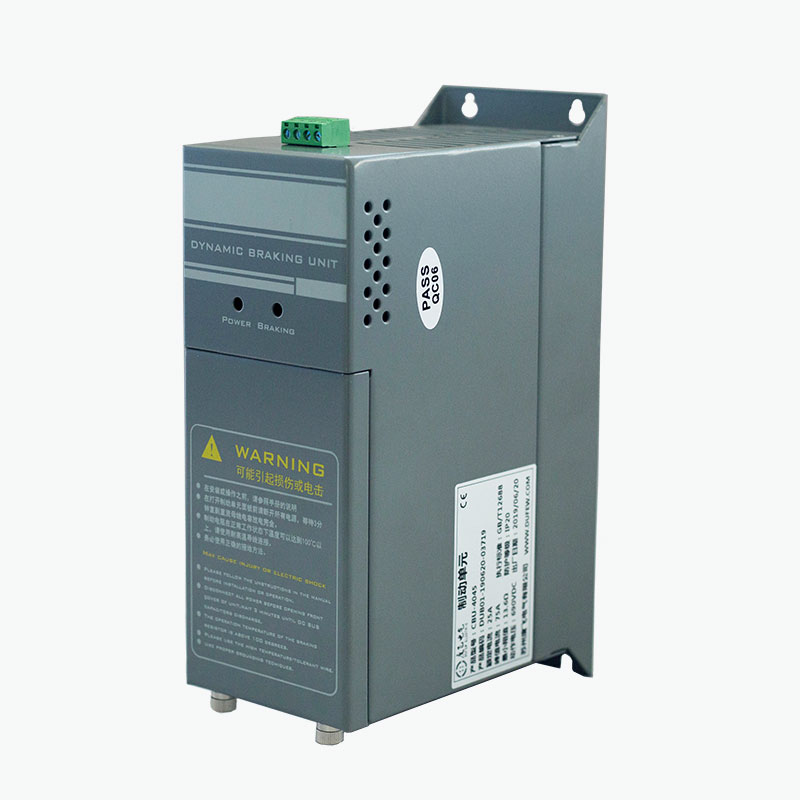
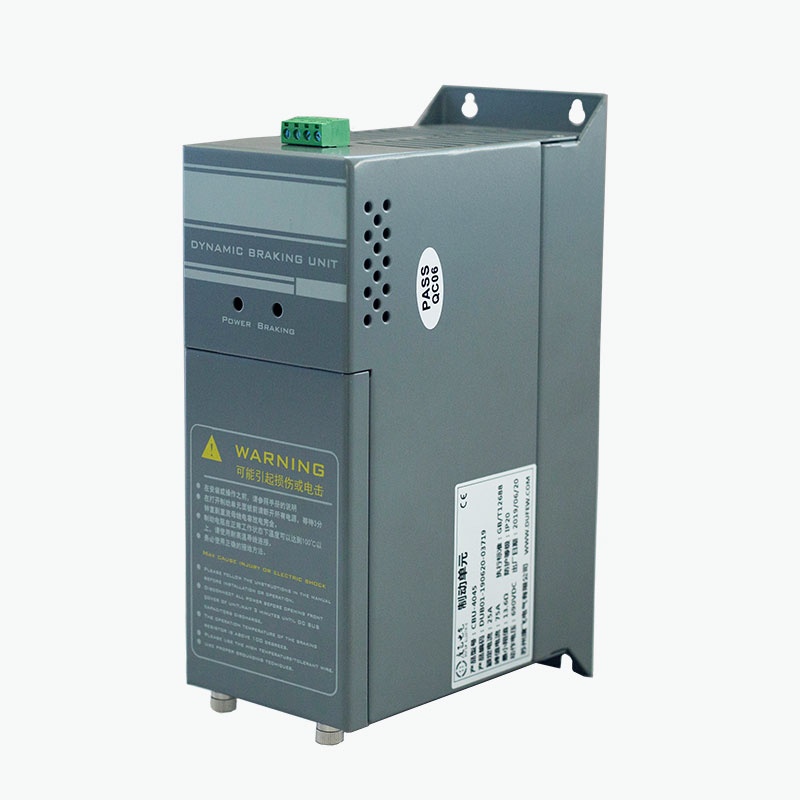
For additional technical information, engineers can explore Dufew's braking chopper solutions, which provide the switching function required in dynamic braking systems.


3. Key Components and Structural Design

The performance of an inverter braking resistor cabinet depends on the quality and coordination of its internal components. A properly designed cabinet must consider electrical conductivity, thermal performance, mechanical strength, and installation requirements.

Modular Corrugated Resistor Elements

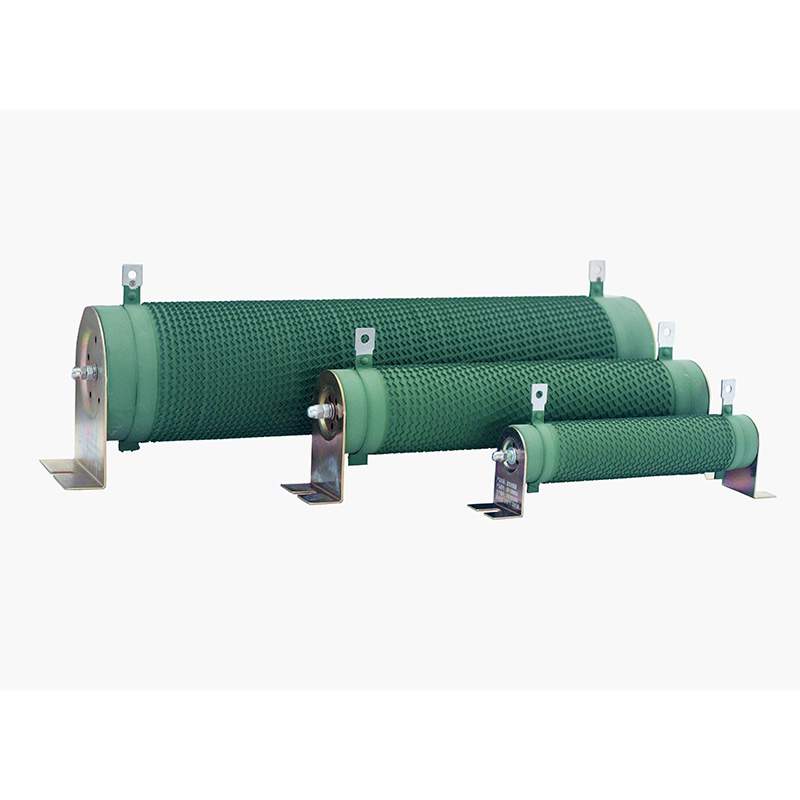
Corrugated resistor elements are designed with an enlarged heat dissipation surface. Their structure supports high power density, stable resistance performance, and repeated braking operations.

Using multiple resistor modules allows the total resistance and power configuration to be adjusted according to the requirements of different drive systems.

Reinforced Copper Busbars

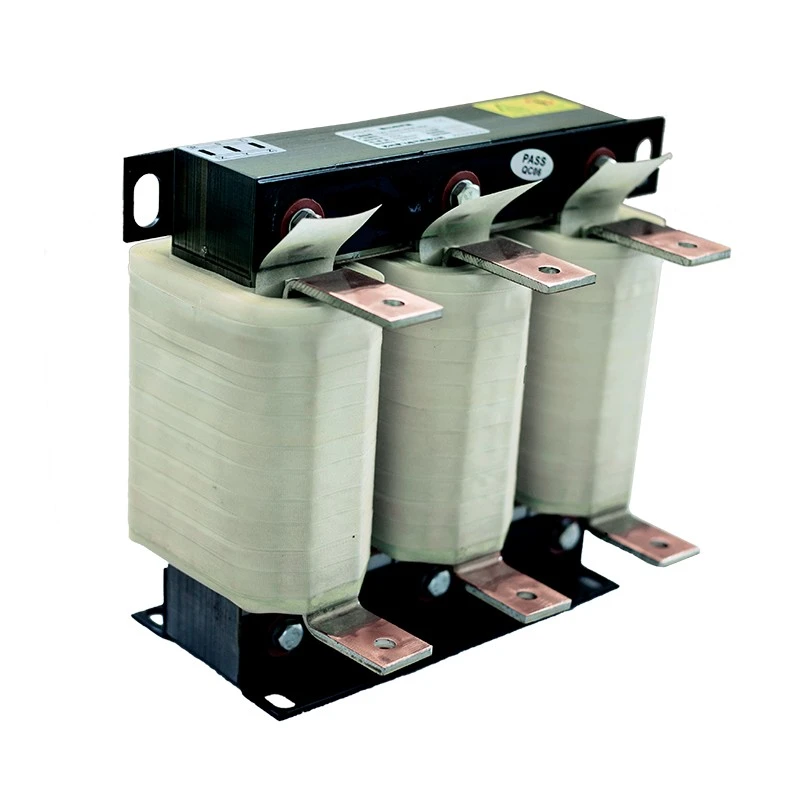
Copper busbars provide electrical connections between resistor modules and external circuits. Reinforced conductive structures help support high-current operation and improve connection reliability.

Proper busbar sizing, connection quality, and electrical clearances are important considerations when designing high-power resistor cabinets.

Cabinet Enclosure and Protection Devices

The enclosure protects internal electrical components and provides a structured installation space. Depending on the application, the cabinet can incorporate:

  • Temperature monitoring and protection switches.
  • Cooling fans and ventilation openings.
  • Protective terminals and electrical connections.
  • Independent resistor installation compartments.
  • Customized cable entry and mounting structures.

Flexible Installation Structures

Different industrial environments require different cabinet layouts. Floor-mounted designs are suitable for electrical rooms and large drive systems, while side-mounted configurations can help accommodate equipment with limited installation space.


4. Technical Specifications and Performance Features

Technical parameters are essential when evaluating an inverter braking resistor cabinet. Buyers should compare the electrical ratings, resistance tolerance, enclosure protection, and environmental requirements rather than selecting products based only on rated power.

Main Technical Specifications

Parameter Specification
Product Type Inverter Braking Resistor Cabinet
Application VFD Regenerative Braking Systems
Resistor Element Corrugated Resistor
Power Range 20KW–500KW
Working Voltage Up to 3000V
Resistance Range 0.01Ω–1KΩ
Resistance Accuracy ±3% / ±5% / ±10%
Protection Grade IP20 / IP23
Temperature Coefficient ≤300 ppm/°C
Flame Retardant Grade UL94V-2
Reference Standard GB-5792

Note: Specifications represent the product range published by Dufew Electric. Actual ratings and configurations should be confirmed according to the selected model and project requirements.

Understanding a Typical Model Number

A typical model designation is CRC 100KW 2.7R J. Each section communicates important product information.

Model Code Meaning Description
CRC Product Series Braking Resistor Cabinet
100KW Rated Power 100 kilowatts
2.7R Resistance Value 2.7 ohms
J Resistance Accuracy ±5%

Other available resistance accuracy options include K (±10%) and H (±3%). Understanding these codes helps purchasing teams and electrical engineers communicate technical requirements more accurately.


5. How to Select the Right Braking Resistor Cabinet

Selecting an appropriate inverter braking resistor cabinet requires a complete understanding of the motor, inverter, load characteristics, and operating cycle. A higher power rating does not automatically guarantee better braking performance.

Evaluate Seven Important Selection Factors

Selection Factor Why It Matters
Inverter Voltage Determines insulation requirements and electrical configuration.
Motor Power Provides a starting reference for evaluating energy absorption requirements.
Braking Frequency Influences resistor capacity and thermal design.
Load Inertia Affects the amount of regenerative energy generated during deceleration.
Braking Time Determines short-time overload requirements.
Duty Cycle Defines whether intermittent or repeated braking operation is required.
Installation Environment Influences enclosure design, ventilation, and protection requirements.

Consider Resistance and Power Requirements Together

The resistance value must comply with the inverter manufacturer's minimum permitted braking resistance. The resistor's power rating must also be sufficient for the expected braking energy and operating frequency.

Engineers should evaluate:

  • Peak braking power during deceleration.
  • Energy generated during each braking event.
  • Number of braking events per hour.
  • Maximum permitted resistor temperature.
  • Cooling capacity under actual operating conditions.

For high-inertia applications, thermal calculations and braking duty-cycle analysis are particularly important. A cabinet that is correctly rated for a single braking event may still overheat if repeated braking occurs without sufficient cooling time.

Confirm Installation and Electrical Compatibility

Before ordering, confirm the inverter DC bus voltage, braking unit compatibility, cable connection arrangement, cabinet dimensions, grounding requirements, and available installation space.

For customized industrial projects, providing electrical drawings and operating information during the quotation stage can help reduce integration problems.


6. Industrial Applications and Benefits

An inverter braking resistor cabinet is widely used in industrial equipment where motors frequently decelerate or operate under regenerative load conditions.

Industry Typical Equipment Main Braking Requirement
Port Equipment Cranes and lifting systems Frequent braking and heavy-load energy absorption.
Mining Mine hoists and lifting equipment High-inertia load control.
Elevator Systems Industrial elevators and lifting platforms Repeated acceleration and deceleration.
Steel Industry Rolling mills and heavy drives High-frequency regenerative braking.
Industrial Machinery Large motor systems Stable inverter operation.
Testing Equipment Motor testing platforms Controlled energy absorption.

Key Benefits for Industrial Operators

  • Reduced inverter overvoltage faults: Provides a controlled path for regenerated electrical energy.
  • More stable equipment operation: Supports consistent deceleration under demanding working conditions.
  • Improved component protection: Helps reduce electrical stress caused by excessive DC bus voltage.
  • Flexible system integration: Customized electrical and mechanical configurations accommodate different installations.
  • Convenient maintenance: Modular resistor assemblies allow technicians to inspect individual sections.

For applications requiring coordinated dynamic braking components, buyers can also explore Dufew's industrial braking units to understand how switching devices and resistor cabinets work together.


7. Why Thermal Management Matters

Thermal management is one of the most important engineering considerations for a high-power braking resistor cabinet. Since regenerative electrical energy is converted into heat, the internal temperature can rise significantly during repeated braking cycles.

Insufficient heat dissipation may result in resistance variation, accelerated component aging, insulation deterioration, and reduced operational reliability.

Common Cooling Design Options

Depending on the application, a customized cabinet may incorporate the following features:

  • Optimized airflow channels: Direct cooling air through the resistor assembly.
  • Independent ventilation space: Helps prevent heat accumulation between resistor modules.
  • Side exhaust cooling: Directs hot air away from nearby inverter equipment.
  • Forced-air cooling: Uses cooling fans to improve heat removal.
  • Temperature protection: Monitors thermal conditions and supports protective responses.

Important Installation Considerations

Even a well-designed cooling system requires proper installation. Engineers should maintain sufficient ventilation clearance, avoid obstructing air inlets and outlets, and consider the ambient temperature of the electrical room.

Regular inspection of cooling fans, ventilation openings, electrical connections, and temperature protection devices can help maintain long-term operating reliability.


8. Manufacturing Quality and Engineering Assurance

Choosing an inverter braking resistor cabinet manufacturer involves more than comparing product prices and nominal power ratings. Manufacturing consistency, electrical testing, structural quality, and engineering support all influence the performance of the finished equipment.

Dufew Electric integrates resistor element manufacturing, cabinet assembly, thermal design, electrical testing, and technical support to provide customized braking resistor solutions for industrial customers.

Manufacturing and Inspection Process

  1. Resistor element production: Corrugated resistor elements are manufactured and checked for resistance accuracy.
  2. Electrical assembly: Resistor modules, copper busbars, and conductive structures are assembled.
  3. Cabinet integration: Protection components, ventilation structures, and cooling systems are installed.
  4. Electrical verification: Resistance, insulation, and dielectric performance are inspected.
  5. Final inspection: Mechanical assembly, electrical connections, and overall product quality are checked before shipment.

Reference Performance Testing

Dufew publishes the following performance testing information for its resistor solutions:

Test Item Test Condition Reference Performance
Dielectric Strength 2500VAC / 50Hz / 60s Leakage current ≤10mA
Insulation Resistance 1000VDC ≥100MΩ
Short-Time Overload 10 times rated power for 5s No visible damage
Long-Term Load Life Cyclic operation More than 9,000 hours
Damp Heat Test 40°C ±2 / 90%–95% RH / 100h △R ≤ ±(1%R + 0.05Ω)

For project-specific requirements, customers should confirm the applicable test scope, product configuration, and supporting inspection documentation with the manufacturer.

Customized Manufacturing Support

Industrial applications rarely share identical operating conditions. Dufew supports customized solutions involving:

  • Rated power and resistance values.
  • Working voltage and electrical configuration.
  • Cabinet dimensions and structural arrangements.
  • Cooling methods and ventilation direction.
  • Installation structures and cable entry positions.
  • Temperature monitoring and protection options.

Export packaging can also incorporate wooden cases, moisture protection, internal fixing structures, and product identification labels to support transportation safety.


9. Frequently Asked Questions (FAQ)

Q1. What is the main function of an inverter braking resistor cabinet?

An inverter braking resistor cabinet absorbs regenerative electrical energy generated during motor deceleration and converts it into heat. It helps prevent DC bus overvoltage faults and supports stable VFD operation.

Q2. Does every variable frequency drive require a braking resistor cabinet?

No. The requirement depends on motor inertia, load characteristics, deceleration time, braking frequency, and the inverter's internal braking capabilities. Applications involving heavy lifting, rapid stopping, or frequent deceleration are more likely to require an external braking solution.

Q3. What is the difference between a braking unit and a braking resistor cabinet?

A braking unit controls the switching process that directs regenerative energy into the braking circuit. The braking resistor cabinet absorbs this energy and converts it into heat. Both components work together to achieve dynamic braking.

Q4. Can an inverter braking resistor cabinet be customized for different VFD brands?

Yes. Dufew Electric can design braking resistor cabinets according to the electrical parameters and operating requirements of different VFD systems. Compatibility should be confirmed through voltage, resistance, power, and braking circuit specifications rather than brand name alone.

Q5. What power range is available for Dufew inverter braking resistor cabinets?

Dufew's published product range covers 20KW to 500KW, with working voltage up to 3000V. The final configuration depends on the actual project requirements and selected model.

Q6. How can I prevent a braking resistor cabinet from overheating?

Choose the correct power and resistance ratings, evaluate the braking duty cycle, and ensure adequate ventilation. Regular inspection of cooling fans, airflow passages, electrical connections, and temperature protection devices is also important.

Q7. What information should I provide when requesting a quotation?

Customers should ideally provide the following information:

  • Inverter model and rated voltage.
  • Motor power and operating characteristics.
  • Required resistance value, if specified.
  • Braking frequency and braking duration.
  • Load inertia and duty cycle.
  • Installation dimensions and environmental conditions.
  • Cooling and protection requirements.

These details help engineers evaluate the appropriate resistor configuration and cabinet structure.

Q8. Does Dufew provide technical support and product testing documents?

Yes. Dufew Electric provides engineering evaluation, customized product solutions, technical documentation, and relevant testing reports according to project requirements.


10. Conclusion: Choosing a Reliable Braking Resistor Solution

An inverter braking resistor cabinet plays an important role in managing regenerative energy, protecting variable frequency drives, and maintaining stable industrial motor operation. Its performance depends on accurate electrical selection, reliable resistor elements, effective thermal management, and proper integration with the braking unit.

For industrial buyers, selecting a manufacturer with customization capabilities and established quality inspection procedures can make a significant difference in long-term equipment reliability. Dufew Electric offers inverter braking resistor cabinet solutions with modular corrugated resistor assemblies, reinforced copper busbar connections, flexible installation structures, and customized cooling configurations for applications ranging from cranes and elevators to mining and steel production.

Looking for a reliable Inverter Braking Resistor Cabinet for your industrial drive system? Dufew Electric is ready to help you evaluate your braking requirements and develop a suitable solution. Whether you need a standard configuration or a fully customized high-power cabinet, contact us today with your inverter specifications, motor parameters, and application details to receive professional technical support and a tailored quotation.

Related News
Leave me a message
X
We use cookies to offer you a better browsing experience, analyze site traffic and personalize content. By using this site, you agree to our use of cookies. Privacy Policy
RejectAccept