‌Suzhou Dufew Electrical Co., Ltd.‌
News
News

Stay updated with the latest company announcements, technology developments, industry events, and new product releases from Dufew Electric.

How Can a DC Link Reactor Improve Power Stability and Protect Industrial Drive Systems

2026-10-30 0 Leave me a message

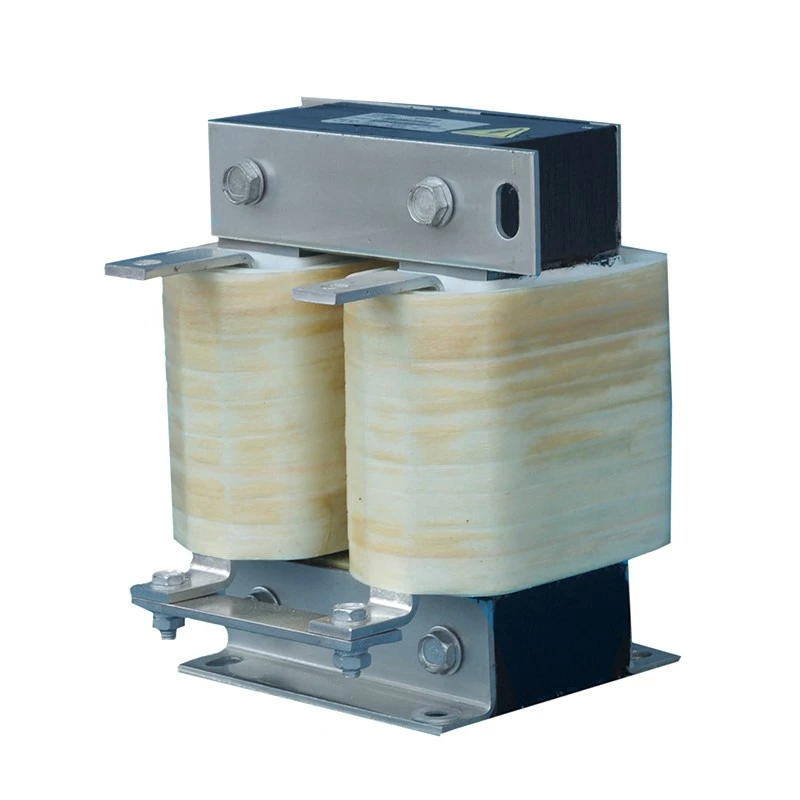
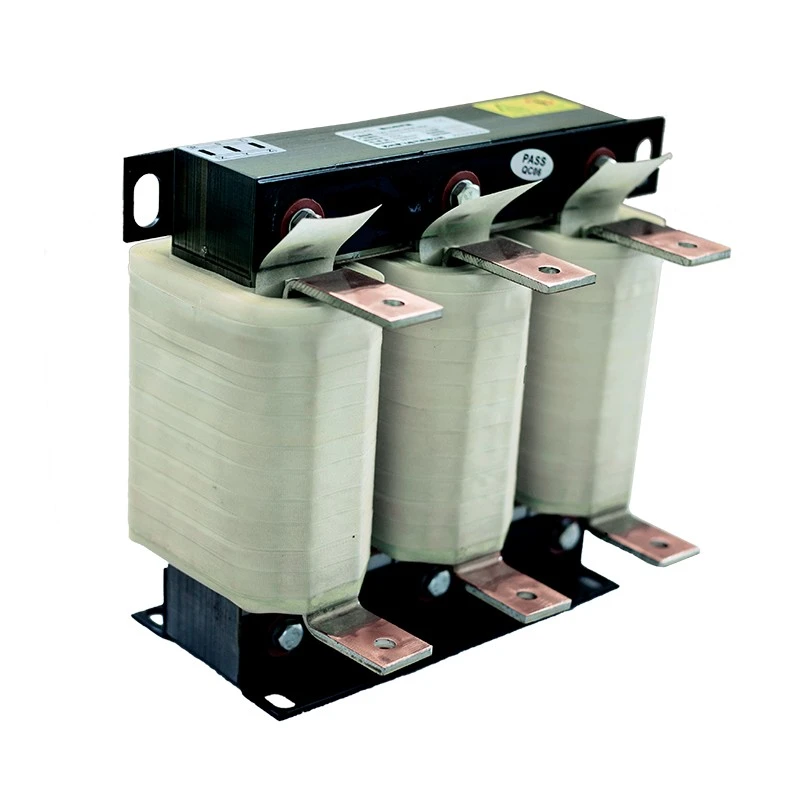
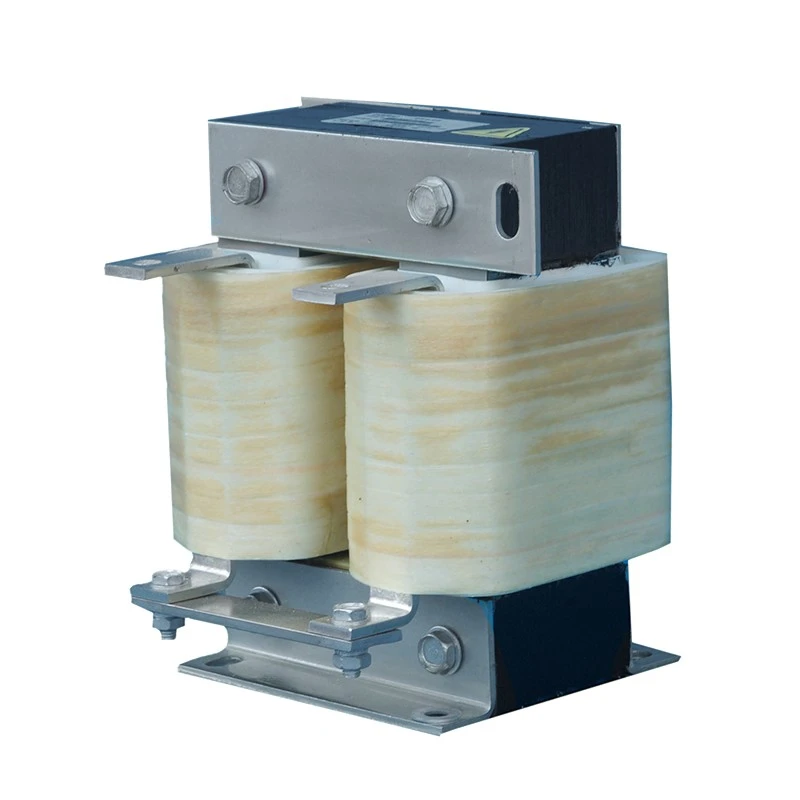
In modern industrial power conversion systems, maintaining stable DC bus performance is essential for reliable equipment operation and long-term electrical safety. Dufew, a professional manufacturer of power electronics components, provides the DC Link Reactor with a DC bias-resistant segmented air-gap core structure to help reduce current ripple, improve DC bus stability, and protect critical components in high-power variable frequency drives (VFDs) and other power conversion applications.

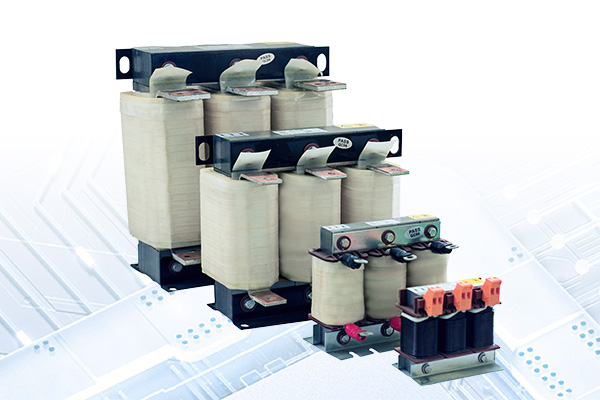
A DC Link Reactor is an inductive component installed in the DC bus between the rectifier and inverter sections of a power conversion system. Its primary purpose is to smooth DC current fluctuations, reduce ripple current, maintain more continuous current flow, and minimize electrical stress on DC bus capacitors and power semiconductor devices.

With a segmented air-gap magnetic core, low-loss winding structure, and vacuum impregnation insulation system, a properly designed DC Link Reactor supports reliable operation in demanding industrial environments. It is widely used in variable frequency drives, servo systems, elevators, port cranes, rolling mills, and injection molding machines.

DC Link Reactor

Table of Contents

1. What Is a DC Link Reactor?

2. How Does a DC Link Reactor Work?

3. What Are the Main Benefits of a DC Link Reactor?

4. Key Structural Design Features

5. Typical Industrial Applications

6. Technical Specifications and Performance Parameters

7. How to Select the Right DC Link Reactor

8. DC Link Reactor vs. AC Reactor

9. Manufacturing Process and Quality Assurance

10. Frequently Asked Questions

11. Conclusion


A DC Link Reactor, also known as a DC bus reactor, is an electrical inductive component designed to operate in the direct current section of power electronic systems. It is generally installed in series between the rectifier and inverter stages of a variable frequency drive or industrial power conversion system.

In a typical VFD, incoming AC power is first converted into DC power through a rectifier. The DC bus then supplies electrical energy to the inverter, which converts it into variable-frequency AC power to control motor speed and torque.

However, the rectification process, load variations, and regenerative operating conditions can introduce ripple components into the DC bus current. Excessive current ripple may increase capacitor heating, place additional stress on power semiconductor devices, and affect the overall stability of the drive system.

A DC Link Reactor addresses these issues by storing and releasing magnetic energy through its inductance. This process helps smooth current variations and maintain more continuous current flow throughout the DC circuit.

Unlike conventional AC reactors, this component is specifically designed to withstand continuous DC current and the resulting magnetic bias conditions.


2. How Does a DC Link Reactor Work?

The working principle of a DC Link Reactor is based on electromagnetic induction. An inductor resists sudden changes in current by generating an opposing voltage when the current flowing through its winding changes.

In an industrial power conversion system, the reactor is connected in series with the DC bus. When current fluctuations occur, the reactor temporarily stores energy in its magnetic field and releases that energy as the current changes.

This inductive effect helps achieve several important functions:

  • Current smoothing: Reduces rapid variations in DC bus current.
  • Ripple reduction: Limits the ripple components generated during rectification and changing load conditions.
  • Energy buffering: Stores and releases magnetic energy to resist sudden current changes.
  • Component protection: Helps reduce electrical and thermal stress on DC capacitors and power semiconductor devices.

By improving DC bus current characteristics, the reactor provides a more stable energy supply to the inverter stage. This is particularly important in high-power industrial equipment that experiences frequent acceleration, deceleration, and load fluctuations.


3. What Are the Main Benefits of a DC Link Reactor?

3.1 Reduces DC Current Ripple

Current ripple is a common issue in rectifier-based power conversion systems. Excessive ripple can increase capacitor heating and negatively affect the performance of downstream electronic components.

A properly selected DC Link Reactor helps smooth current fluctuations and improve DC bus stability. This makes it particularly valuable in high-power VFD installations and industrial drive systems.

3.2 Maintains More Continuous DC Current Flow

Industrial loads rarely operate under perfectly constant conditions. Frequent changes in motor speed, torque, and operating load can cause variations in the DC circuit.

The reactor helps limit sudden current changes, supporting more stable inverter operation during dynamic working conditions.

3.3 Protects DC Bus Capacitors and Power Components

DC bus capacitors are essential for energy storage and voltage stabilization. However, excessive ripple current can increase their internal temperature and accelerate aging.

By reducing ripple current stress, a DC Link Reactor helps improve the operating conditions of capacitors and other sensitive power electronic components.

3.4 Supports Better Power Conversion Performance

Improved DC current characteristics can contribute to better overall converter performance. By smoothing current variations, the reactor can support improved input power factor performance in suitable rectifier configurations.

The actual improvement depends on the converter topology, electrical parameters, and operating conditions.


4. Key Structural Design Features

The performance of a DC Link Reactor depends heavily on its magnetic core, winding configuration, insulation system, and thermal management design. Dufew focuses on several important engineering features to support stable operation under continuous DC loads.

4.1 Segmented Air-Gap Core Design

One of the most important design considerations is resistance to DC magnetic bias. Continuous direct current generates a unidirectional magnetic field that may push a conventional magnetic core toward saturation.

Dufew adopts a segmented air-gap core structure to reduce the risk of magnetic saturation and maintain stable inductance performance. This design is particularly suitable for high-current industrial DC bus applications.

4.2 Low-Loss Winding Structure

The winding structure is optimized for high-current operation, helping control DC resistance losses and temperature rise.

For demanding high-current applications, foil winding configurations can also be provided. Compared with conventional winding arrangements, an appropriately designed foil winding can help reduce overall dimensions and improve heat dissipation.

4.3 Vacuum Impregnation Insulation System

Insulation reliability is another important factor affecting reactor service life. Dufew uses vacuum impregnation technology to strengthen insulation performance and improve moisture resistance, mechanical stability, and vibration resistance.

Combined with precision winding and high-temperature curing processes, this insulation system helps maintain reliable operation in industrial environments.

The product's published noise level is ≤65 dB under standard testing conditions.


5. Typical Industrial Applications

DC Link Reactors are widely used in industrial equipment that requires stable DC bus performance, reliable motor control, and consistent power conversion.

Industrial Application Operating Characteristics Main Benefits
Variable Frequency Drives Continuous motor speed regulation Improves DC bus stability
Servo Drive Systems Precise motor control and dynamic response Reduces ripple current impact
Elevators Frequent starting, stopping, and load changes Supports reliable drive operation
Port Cranes Heavy-duty operation and changing loads Helps stabilize power conversion
Rolling Mills High-power industrial motor operation Enhances DC bus performance
Injection Molding Machines Repeated acceleration and deceleration Maintains more stable power conversion
Industrial Testing Equipment Continuous electrical operation Improves electrical consistency
Industrial Automation Systems Integrated electronic drive control Helps protect DC-side components

For equipment operating under frequent load changes or extended working cycles, selecting an appropriately rated reactor can be an important part of maintaining electrical system reliability.


6. Technical Specifications and Performance Parameters

When evaluating a DC Link Reactor, engineers should consider rated voltage, current capacity, inductance, voltage drop, insulation class, and installation requirements.

Dufew provides customizable DC Link Reactor solutions with the following published technical specifications:

Parameter Specification
Product Type DC Link Reactor / DC Bus Reactor
Installation Position DC bus between rectifier and inverter
Rated Voltage 220VAC / 380VAC / 690VAC / 1140VAC
Rated Current 5A–3800A
Voltage Drop 0.5% / 1% / 2% / 4%
Frequency Range 50Hz / 60Hz / Customized up to 500Hz
Inductance Customized according to system requirements
Overload Capability 1.5 × rated current for 60 seconds
Dielectric Strength 3000VAC / 50Hz / 5mA / 1 minute
Insulation Resistance ≥100MΩ (1000VDC)
Protection Grade IP00 / IP20
Insulation Class Class F (155℃)
Flame Retardant Grade UL94V-2
Noise Level ≤65dB
Service Life ≥15 years
Standards IEC289 / GB10229 / JB9644

Note: The voltage ratings above are the manufacturer's published system voltage specifications. Actual reactor selection must be based on the DC bus design, rectifier configuration, electrical requirements, and the manufacturer's confirmed technical documentation.


7. How to Select the Right DC Link Reactor

Choosing the correct DC Link Reactor requires more than simply matching the rated current. Different industrial applications have different electrical loads, operating cycles, installation restrictions, and thermal requirements.

Before purchasing, consider the following factors:

7.1 Confirm the Electrical System Parameters

Start by identifying the rated voltage, DC bus operating voltage, rated current, and expected load conditions. These values provide the foundation for determining the appropriate reactor configuration.

7.2 Determine the Required Inductance

Inductance directly affects current smoothing performance. The required inductance should be determined according to the rectifier topology, ripple characteristics, system impedance, and desired operating performance.

7.3 Consider Overload and Operating Conditions

Industrial equipment may experience temporary current increases during startup, acceleration, or sudden load changes. The reactor's overload capability should therefore be evaluated against the actual operating cycle.

7.4 Evaluate Installation Space and Cooling

Reactor dimensions, mounting direction, ventilation, ambient temperature, and enclosure protection requirements should all be considered during equipment integration.

7.5 Check Insulation and Quality Requirements

Insulation class, dielectric strength, insulation resistance, temperature rise, and mechanical stability are important indicators of product suitability.

For customized projects, providing the following information to the manufacturer can help accelerate technical evaluation:

  • Rated voltage and DC bus operating voltage
  • Rated and maximum operating current
  • Required inductance value
  • Application equipment and rectifier configuration
  • Installation dimensions and mounting preferences
  • Ambient temperature and cooling conditions
  • Required protection grade and insulation specifications

8. DC Link Reactor vs. AC Reactor: What Is the Difference?

Although both components use inductive principles to improve electrical system performance, DC Link Reactors and AC Reactors are designed for different circuit positions and operating conditions.

Comparison DC Link Reactor AC Reactor
Installation Position DC bus between rectifier and inverter AC input or motor output side
Main Function Smooth DC current and reduce ripple Reduce AC harmonics and voltage stress
Magnetic Design DC bias-resistant air-gap structure Designed for alternating magnetic flux
Operating Circuit DC circuit AC circuit
Typical Applications DC bus stabilization and power conversion Power quality improvement and motor protection

The most important difference is their installation position and electrical operating environment. An AC Reactor should not automatically be considered a direct substitute for a DC Link Reactor. Engineers should select the appropriate component according to the actual circuit design.

For projects requiring AC-side protection, you can also explore Dufew's AC Reactor solutions.


9. Manufacturing Process and Quality Assurance

The manufacturing quality of an industrial reactor directly influences its electrical performance, thermal characteristics, and long-term reliability.

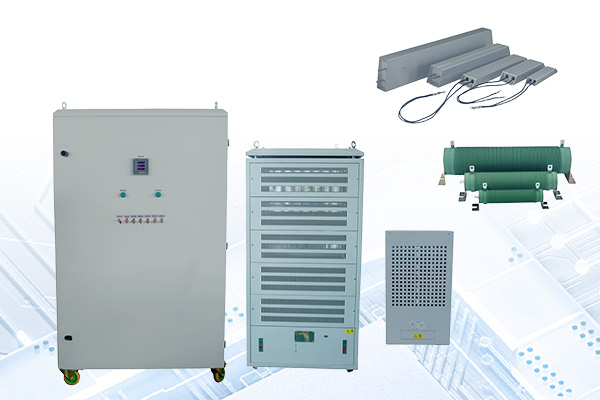
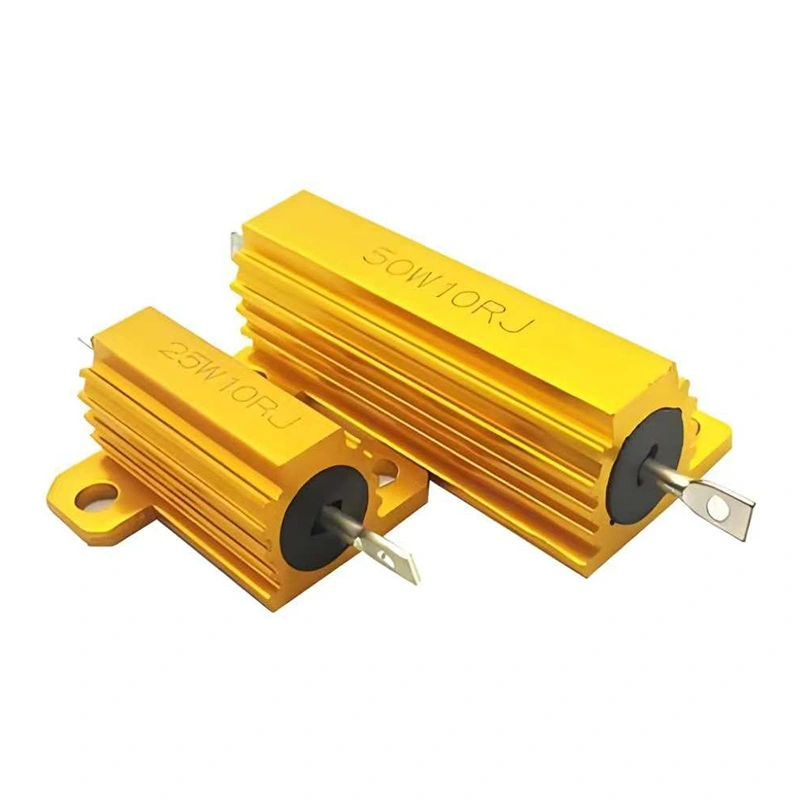
Dufew Electric specializes in power electronics components, including reactors, braking resistors, transformers, and customized electrical solutions.

Its DC Link Reactor manufacturing process covers several key stages:

  1. Magnetic core processing: Core materials and structures are processed according to the required magnetic characteristics.
  2. Precision winding: Winding operations are controlled to achieve consistent electrical parameters and suitable current-carrying capacity.
  3. Vacuum impregnation: The insulation system is strengthened to improve moisture resistance and mechanical stability.
  4. High-temperature curing: The insulation system is processed to support reliable thermal and mechanical performance.
  5. Electrical performance testing: Finished products undergo relevant inspections to verify their electrical characteristics and quality.

Quality inspection includes:

  • Insulation resistance testing
  • Withstand voltage testing
  • Inductance measurement
  • Temperature rise testing
  • Appearance and manufacturing inspection

For customers with specific electrical or mechanical requirements, Dufew also offers OEM manufacturing, customized electrical design, engineering consultation, and technical documentation support.

This flexible manufacturing capability helps industrial equipment manufacturers and system integrators obtain reactor solutions suited to their project requirements.


10. Frequently Asked Questions About DC Link Reactors

Q1: Where is a DC Link Reactor installed?

A DC Link Reactor is installed in series within the DC bus circuit between the rectifier and inverter sections of a VFD or power conversion system. Its purpose is to smooth DC current fluctuations and improve DC bus stability.

Q2: What is the main function of a DC Link Reactor?

Its main function is to reduce DC current ripple, maintain more continuous current flow, and reduce electrical stress on DC bus capacitors and power semiconductor devices. It helps improve the operating stability of industrial power conversion equipment.

Q3: Why does a DC Link Reactor need an air-gap core design?

Continuous DC current creates magnetic bias in the reactor core. Without an appropriate magnetic design, the core may approach saturation, resulting in reduced inductance and compromised performance. A segmented air-gap structure helps reduce this risk and maintain stable inductance under DC operating conditions.

Q4: What is the difference between a DC Link Reactor and a DC Reactor?

The terms can sometimes overlap in industrial product descriptions. A DC Link Reactor specifically refers to a reactor installed in the DC bus of a power conversion system to smooth current fluctuations. The exact function of a general DC Reactor depends on its circuit position and application.

Q5: Can a DC Link Reactor be customized?

Yes. Dufew provides customized solutions according to project requirements, including voltage ratings, current capacity, inductance values, winding materials, installation structures, and mechanical dimensions.

Q6: What is the service life of a Dufew DC Link Reactor?

The published service life specification is ≥15 years. Actual service life depends on operating temperature, electrical loading, installation conditions, maintenance practices, and the overall working environment.

Q7: Which industries commonly use DC Link Reactors?

Common applications include variable frequency drives, servo systems, elevators, port cranes, rolling mills, injection molding machines, industrial testing equipment, and automation systems.

Q8: What information should I provide when requesting a quotation?

Customers should provide rated voltage, operating current, required inductance, application equipment, installation dimensions, cooling conditions, and any special insulation or protection requirements. These details help the manufacturer recommend an appropriate configuration.


11. Conclusion: Why Choose a Reliable DC Link Reactor?

A DC Link Reactor is an important component in modern industrial power conversion systems. By reducing current ripple, maintaining more continuous DC current flow, and helping protect DC bus capacitors and power semiconductor devices, it contributes to improved electrical stability and equipment reliability.

However, achieving these benefits requires proper electrical selection, an appropriate magnetic core structure, reliable insulation technology, and consistent manufacturing quality.

Dufew combines segmented air-gap core technology, optimized winding structures, vacuum impregnation, and comprehensive electrical testing to provide customizable DC Link Reactor solutions for demanding industrial applications. Whether you are developing a new VFD system, upgrading existing equipment, or sourcing components for industrial power conversion projects, Dufew can provide engineering support based on your technical requirements.

Looking for a reliable DC Link Reactor manufacturer and supplier in China? Explore Dufew's customized reactor solutions and discuss your application requirements with our engineering team. Contact Dufew today to obtain technical information, product recommendations, and a competitive quotation. Please contact us to discuss your project and find the right DC Link Reactor for your industrial power system.

Related News
Leave me a message
X
We use cookies to offer you a better browsing experience, analyze site traffic and personalize content. By using this site, you agree to our use of cookies. Privacy Policy
RejectAccept